Paleolithic context
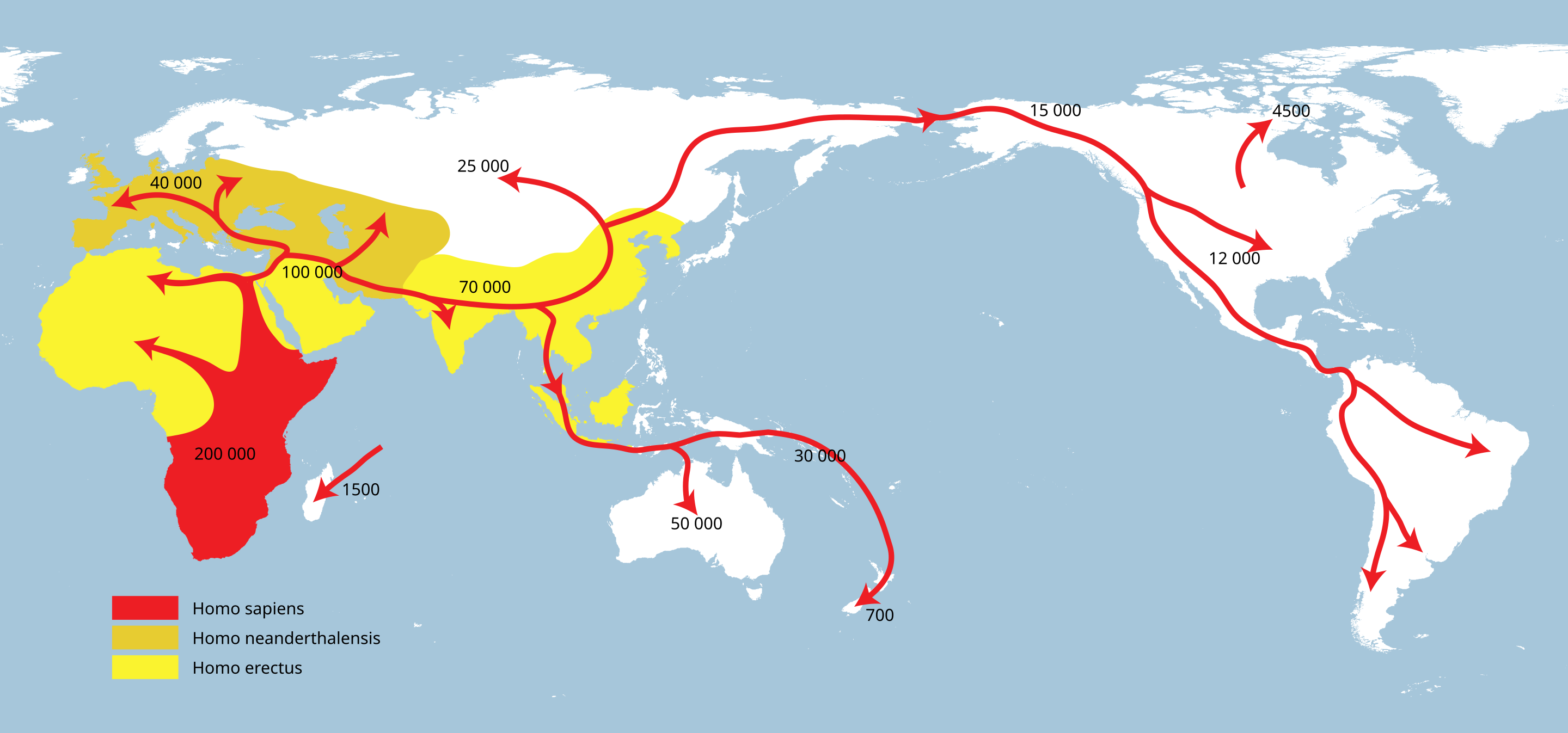
Aspects of Paleolithic Culture (Old Stone Age Culture):
People lived in small nomadic groups, hunted and gathered, made portable objects and wall art, and modest range of artifacts remain
Artworks typically fall in two categories: portable objects and wall painting or carving
making stone tools
Much evidence of spiritual beliefs and practices
Most names we have of artworks came from the 19th-21st centuries
Few paintings and carvings are found in places where people lived, tho portable objects are.
Methods of Art History
 |
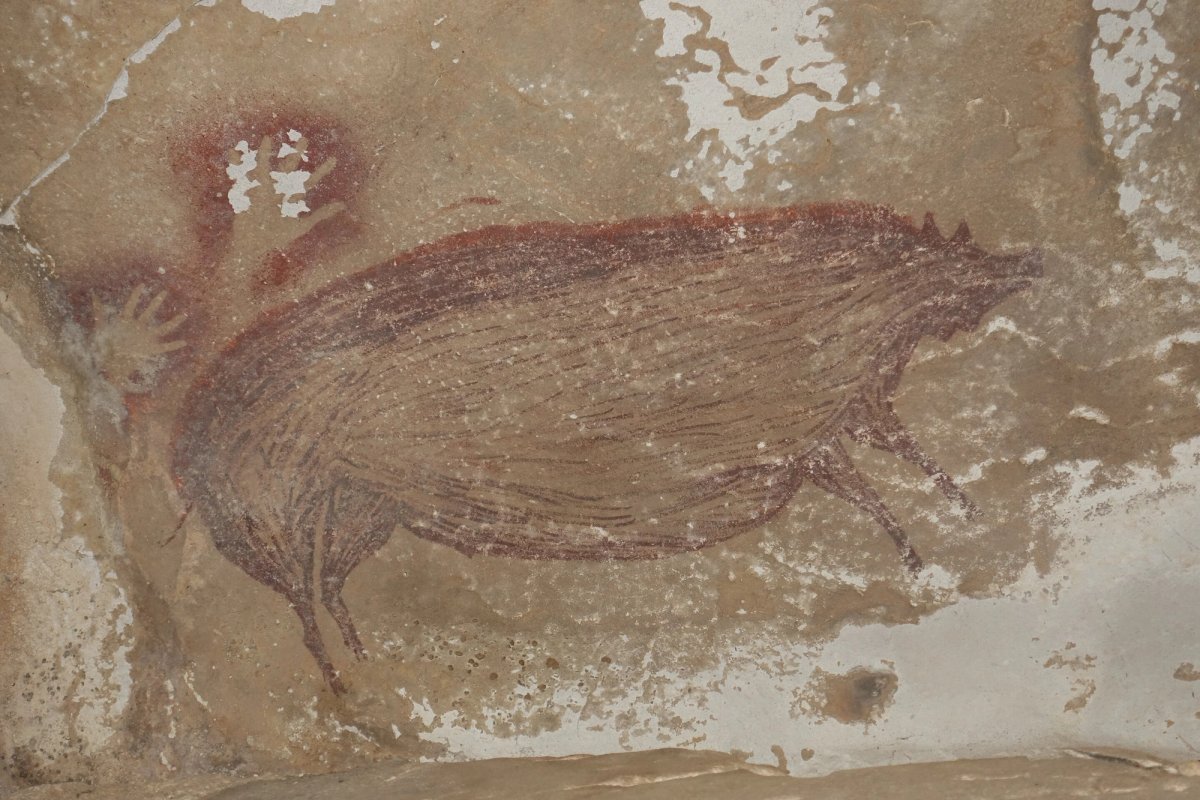
| Leang Karampuang, ~51,000 YA, Sulawesi, Indonesia |
 |
| Great Tour of the Cave and It's discovery |
 | ||
Lion Man of Hohlenstein-Stadel, 40,000 years old, mammoth ivory, 12", found in present-day Germany
|

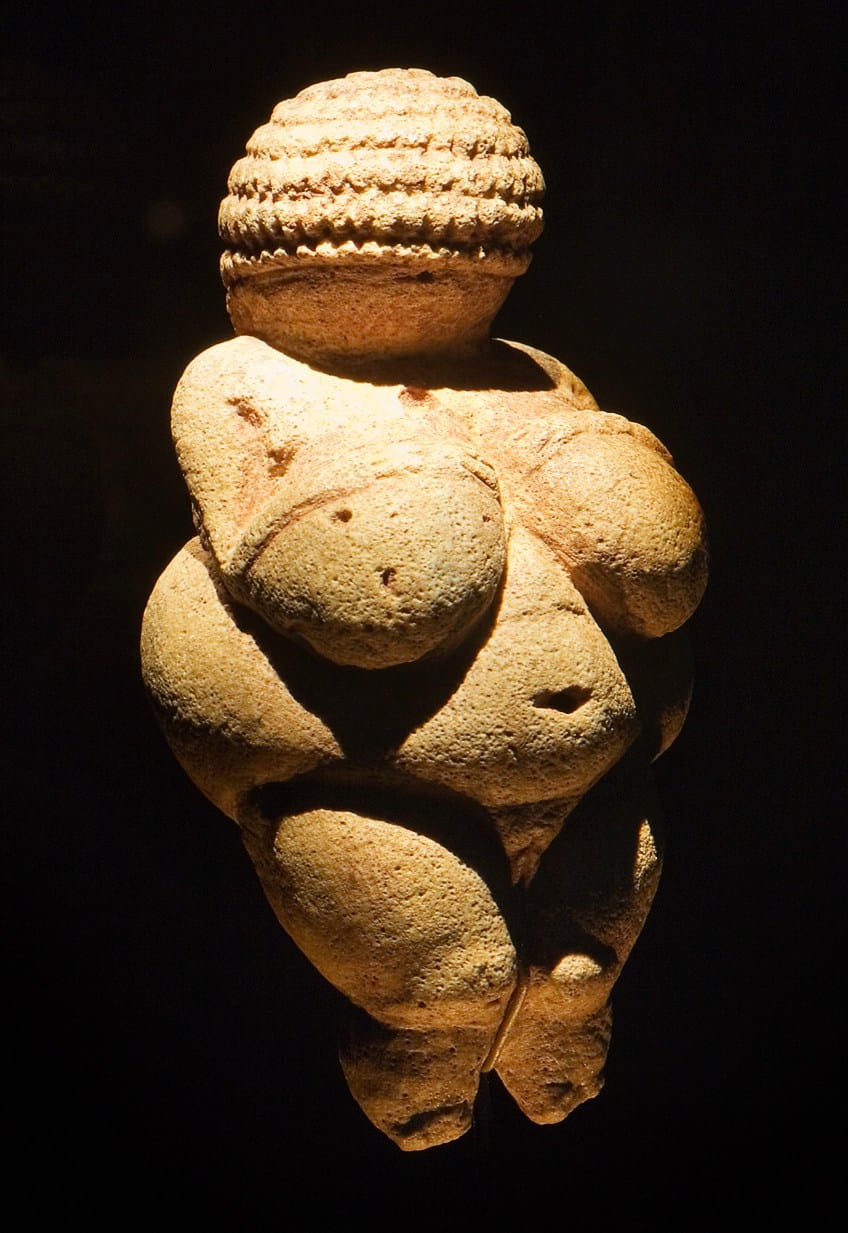 |
| Woman of Willendorf, 24-22,000 bce, along the Danube in present-day austria, 4.3" tall no confirmation of why her face is invisible. Why? they're harder to make more focus on the body goddess? of what? why so many female figures? is it a portrait? self-representation? history has frequently romanticized-- sexualized these figures as objects of desire who is receiving them? women? pregnant women? women at puberty? children? men? men at puberty? early representational, naturalistic artifact with a highly harmonious presence.. For decades, in the 20th c., the Woman of Willendorf had the status of oldest representational object ever found. One of hundreds of palm-sized or smaller,, losenge-shaped female figurines from Siberia to Eastern Europe to Southwestern Europe with exaggerated reproductive characteristics and understated or absent hands, feet, faces, heads, sometimes also arms and legs. |
 |
| Chauvet Cave, 37,000 YA, France |
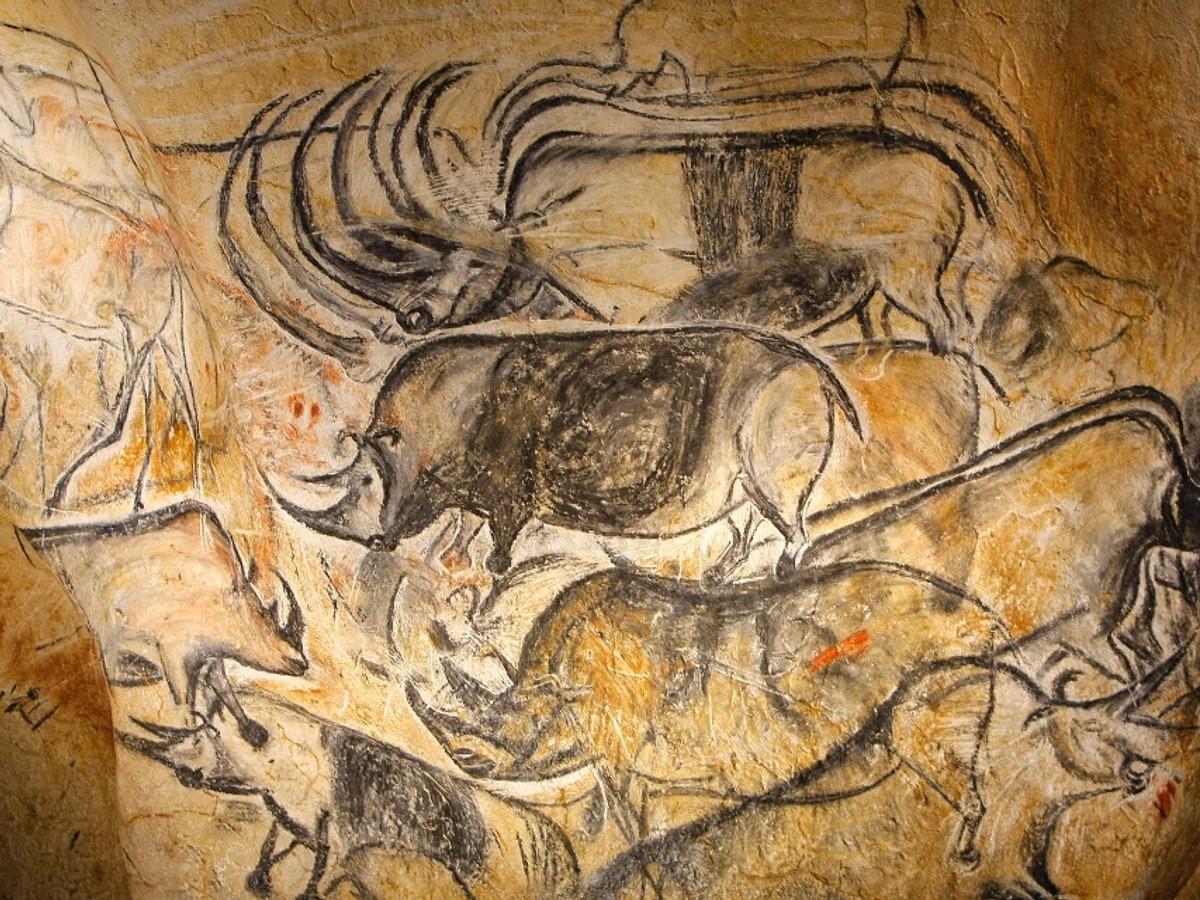 |
| Rhinos, Chauvet |
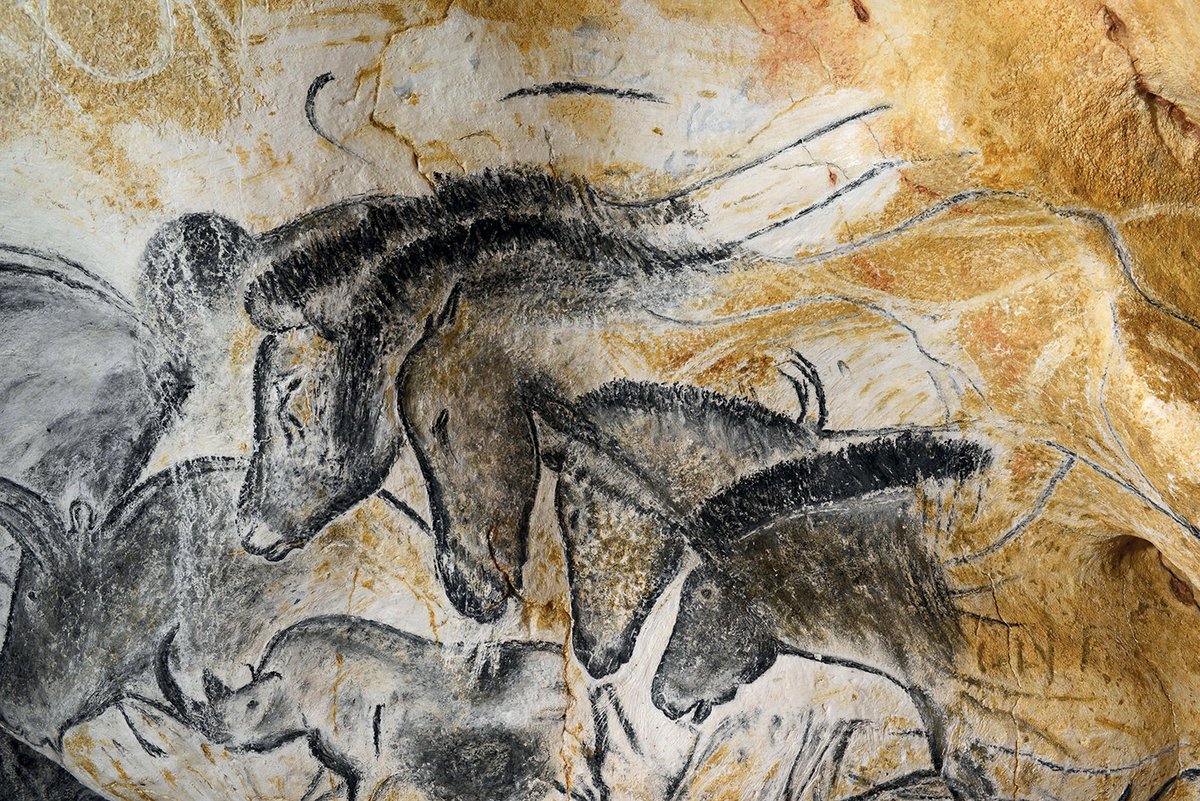 |
| Horses, Chauvet |
 |
| "Hall of the Bulls" Lascaux Cave, 22,000-17,000 oldest paintings, over 600 paintings in all |
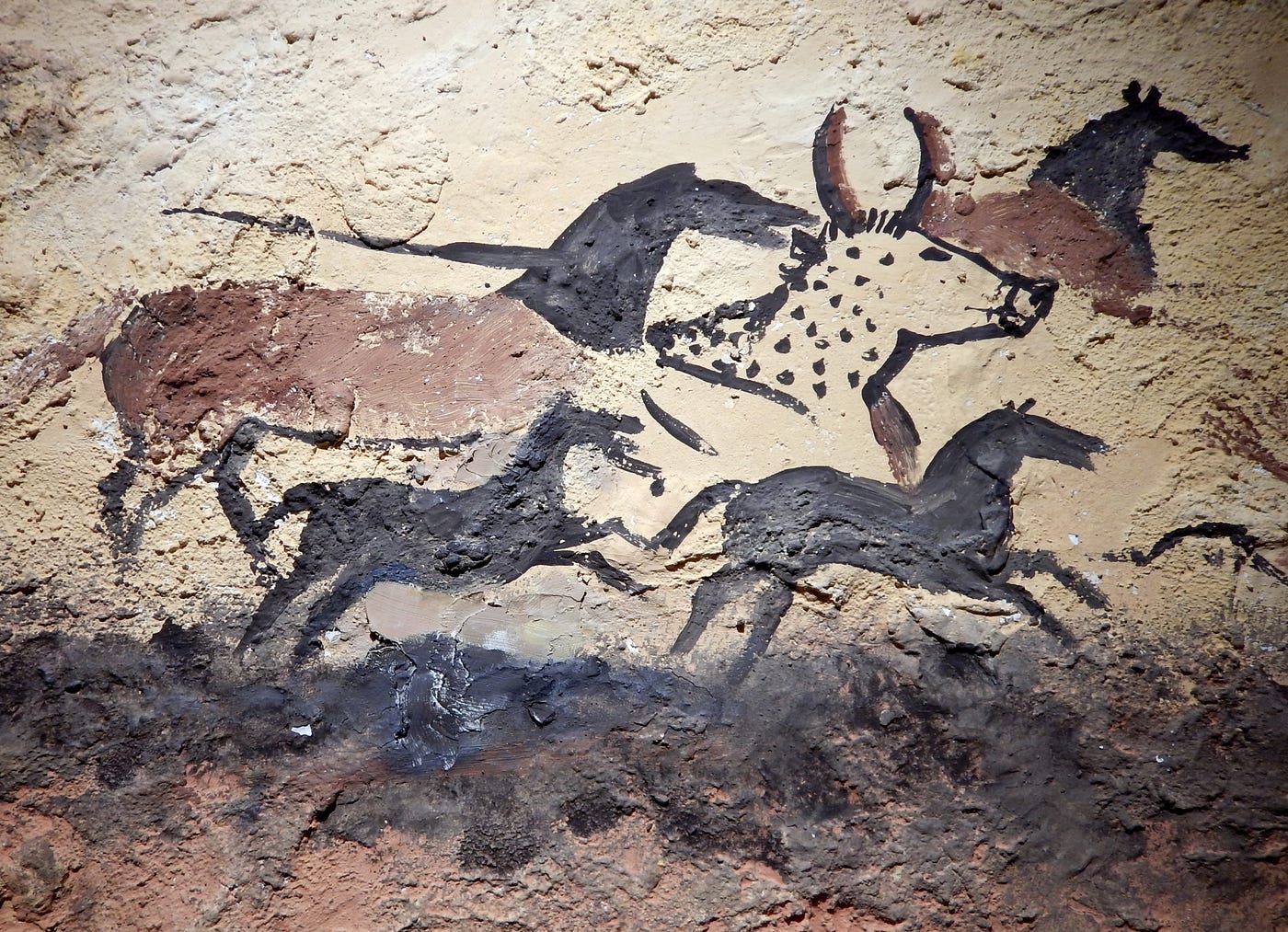 |
| Lascaux Cave |
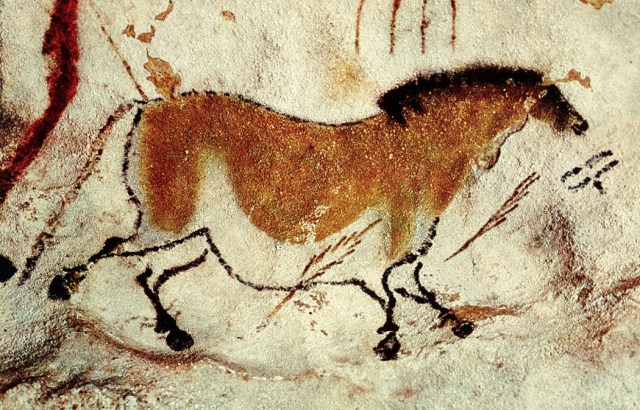 |
| Lascaux Cave |
 |
| Crossed Bison, Lascaux Cave |
 |
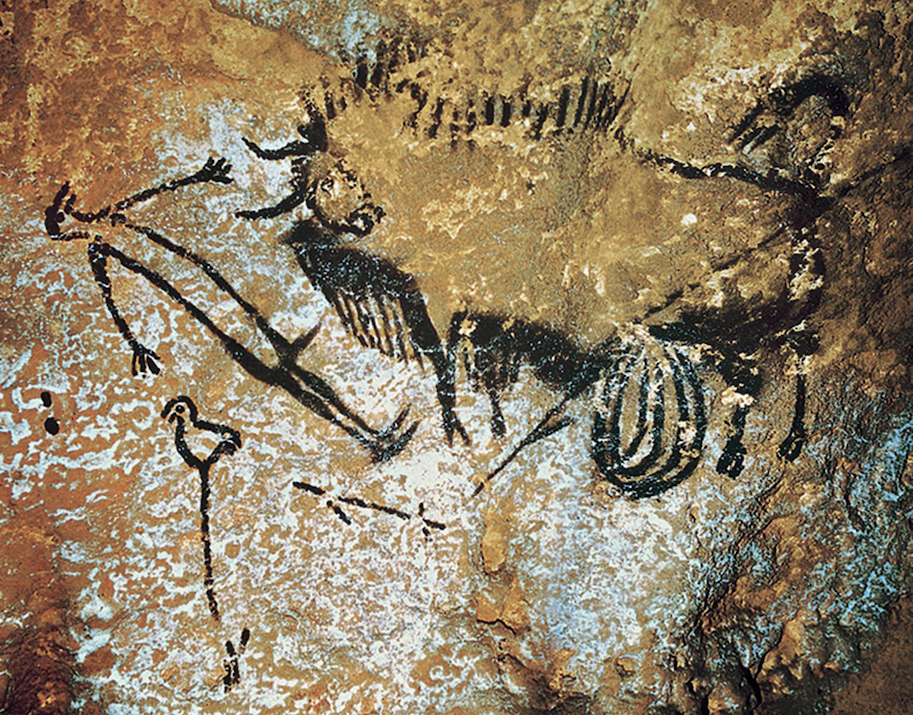 |
| Shaft of the Dead Man, so called, Lascaux Cave |
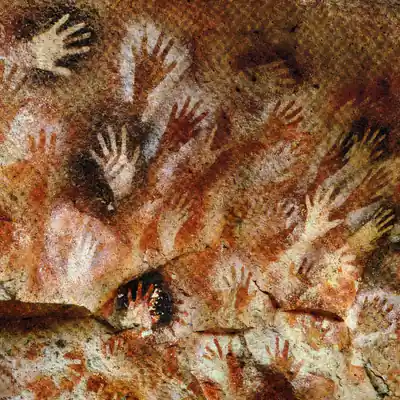 |
| Cueva de Las Manos, Argentina, 13,000 -9300YA |
Questions to ask regarding context
how big were the populations of home areas
what considerations were on peoples' minds
- art history?
- food?
- health?
- shelter?
- desire to be remembered? known in history?
- religion
- survival
- love
- sexuality
- battle
- power
were roles gendered?
why are people making the work?
where? geographic conditions-- wildlife, plants, climate
Questions to ask regarding form, function, manufacture, meaning : too many. Here are two posts: Questions to ask a work of Art and Formal Qualities that can help you access more about describing.
One comment about the filmmakers' choices; one fact about paleolithic art that we shouldn't forget

No comments:
Post a Comment