 |
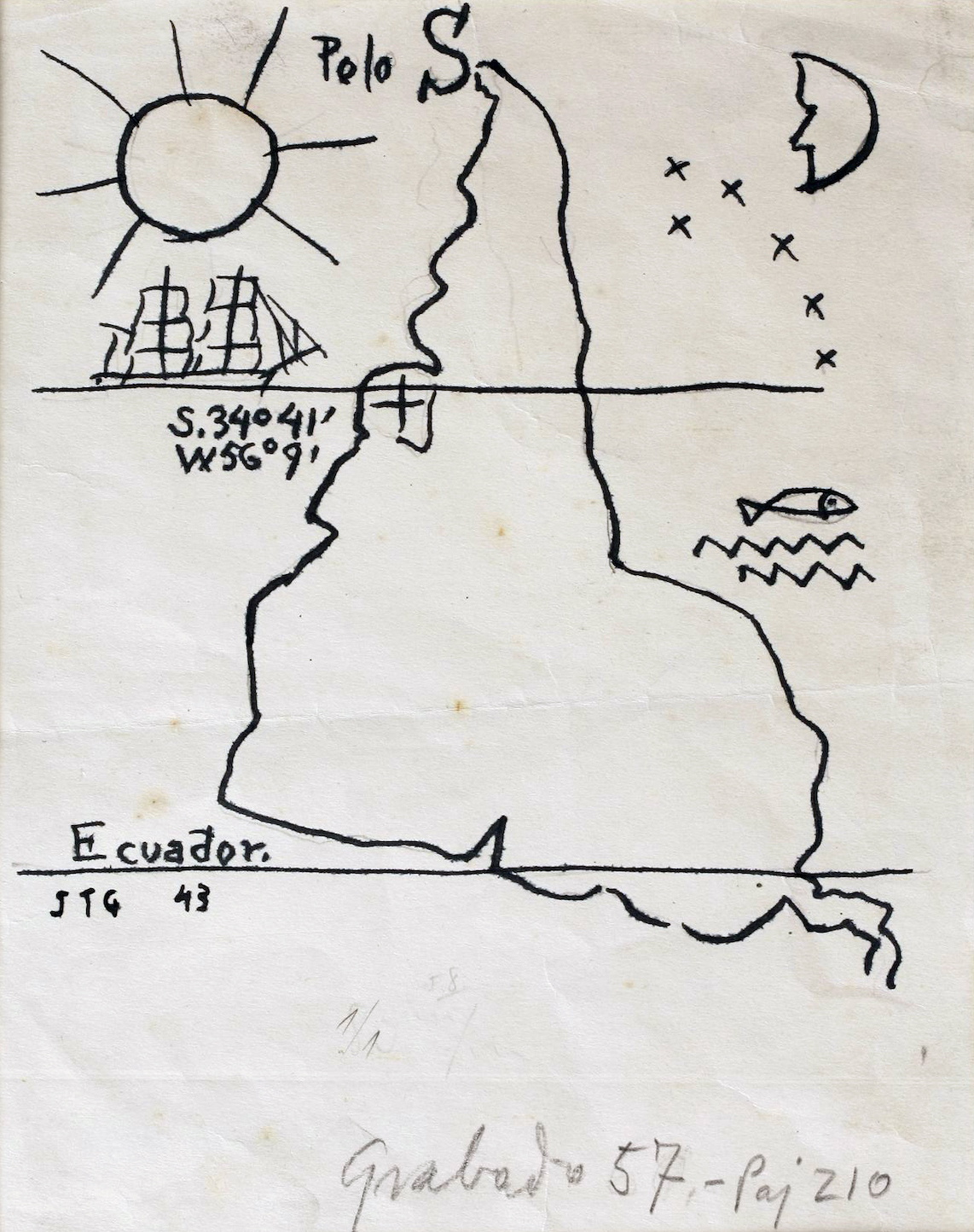
Joaquin Torres-García, América Invertida (Inverted America), 1943, ink on paper, 22 x 16 cm (Fundación Torres García, Montevideo) Reframing Art History Intro, "Learning to think Critically" |
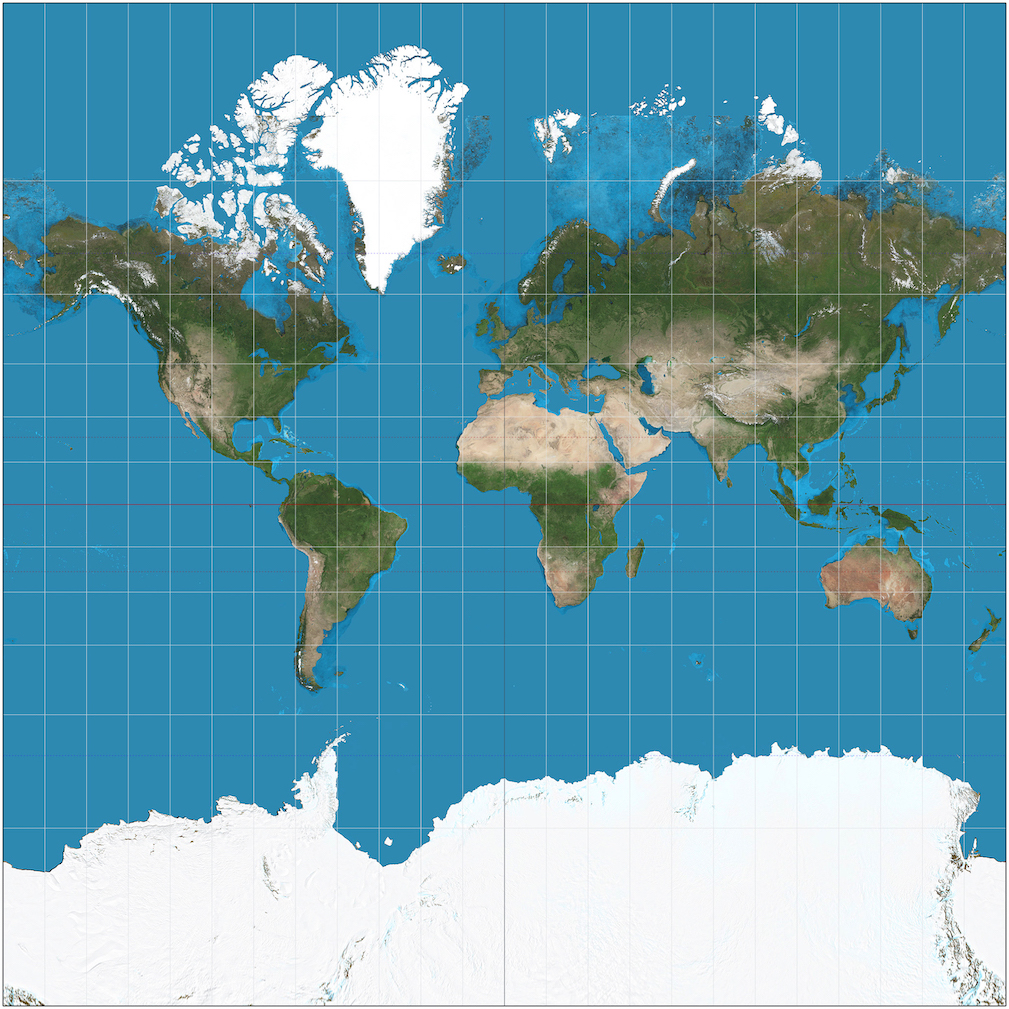 |
| Mercator Projection |


 |
| Ramon Casas, Joaquin Torres-Garcia, ~1905 |
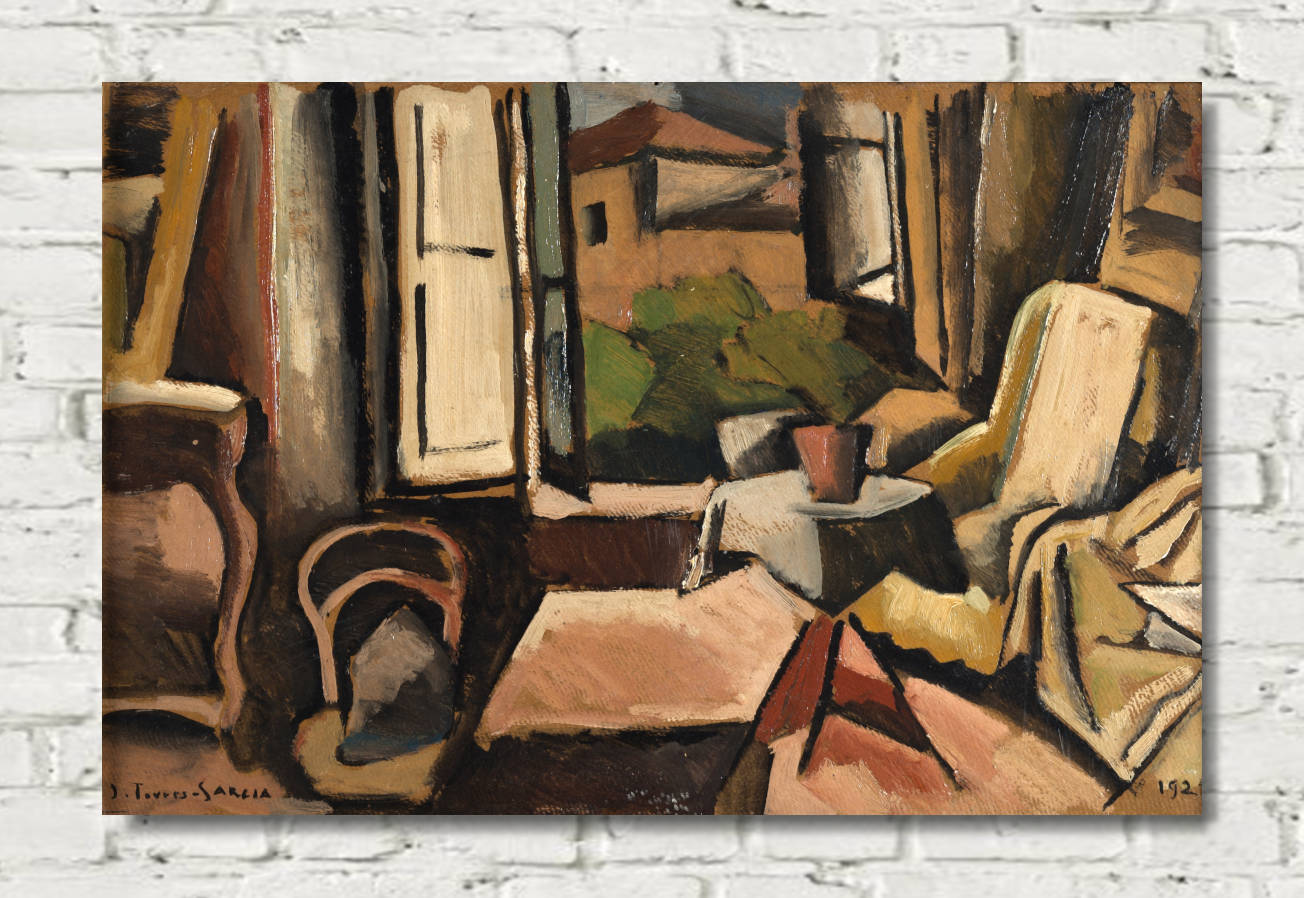 |
| Torres-Garcia, Interior, 1924 oil on canvas, 15" x 20" |
 |
| Torres-Garcia, Interior, 1924 oil on canvas, 15" x 20" |
Art History as Inspiration for Contemporary Artists
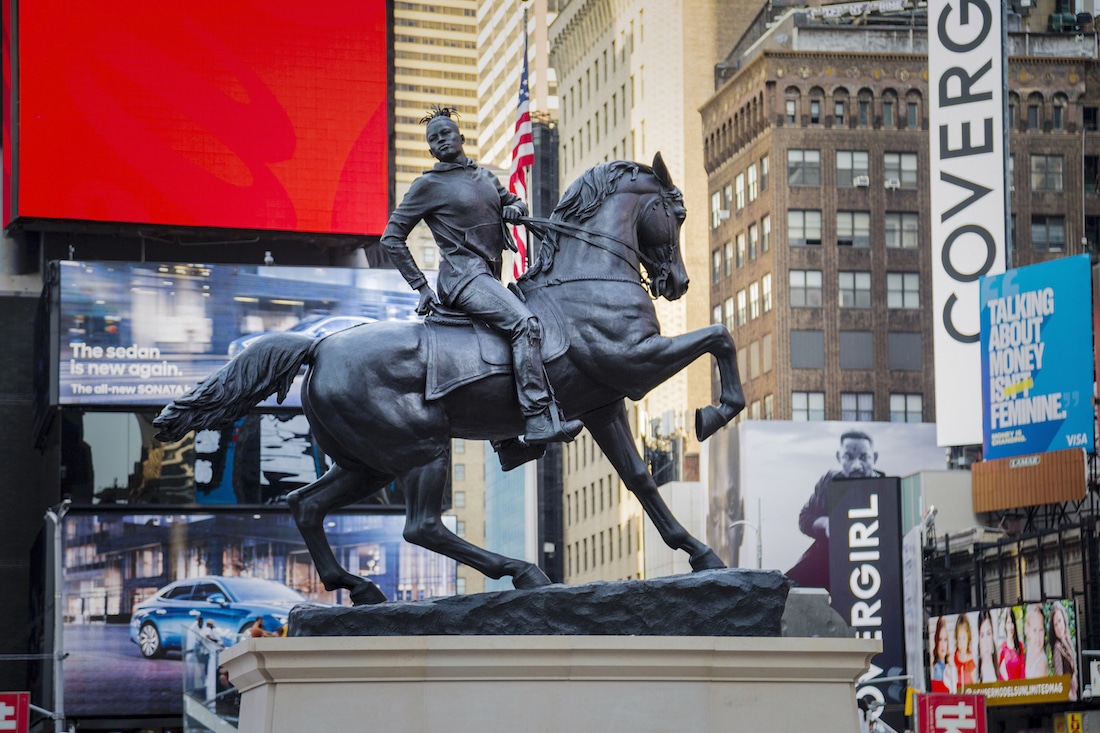
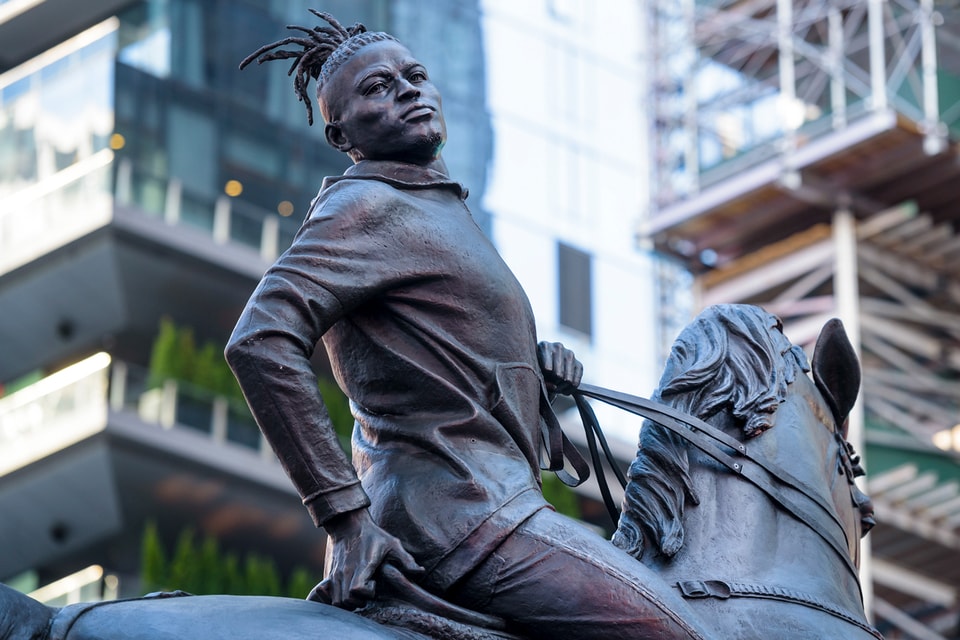
"What my painting does is it speaks the language of gentility, it speaks the language of that effortlessness that we see in a Sargent, and specifically it speaks the language that should be critiqued — that language of impossible beauty," Wiley told the VMFA. It exists in the space between the truth and the lie…. Doesn’t take sides
I fell in love with the vocabulary of imperial domination (KW 2 minutes npr article)
There are moments where art has to step in. Call to arms, war calls… step in and say: this is my America too.
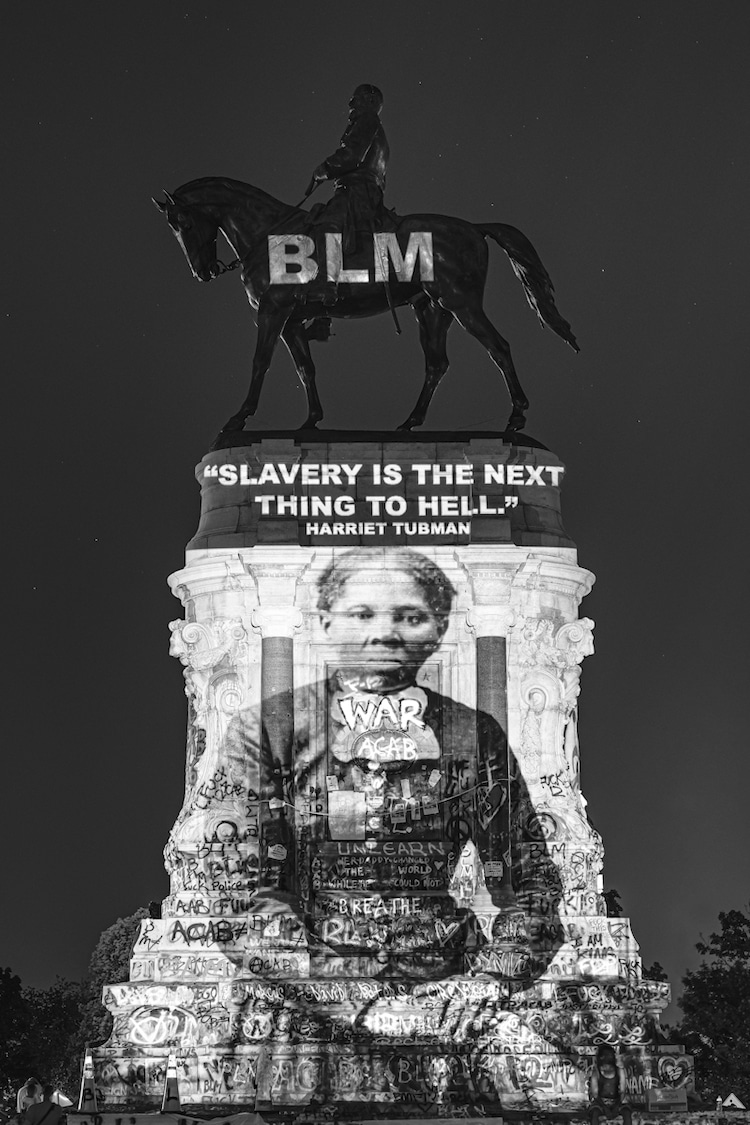
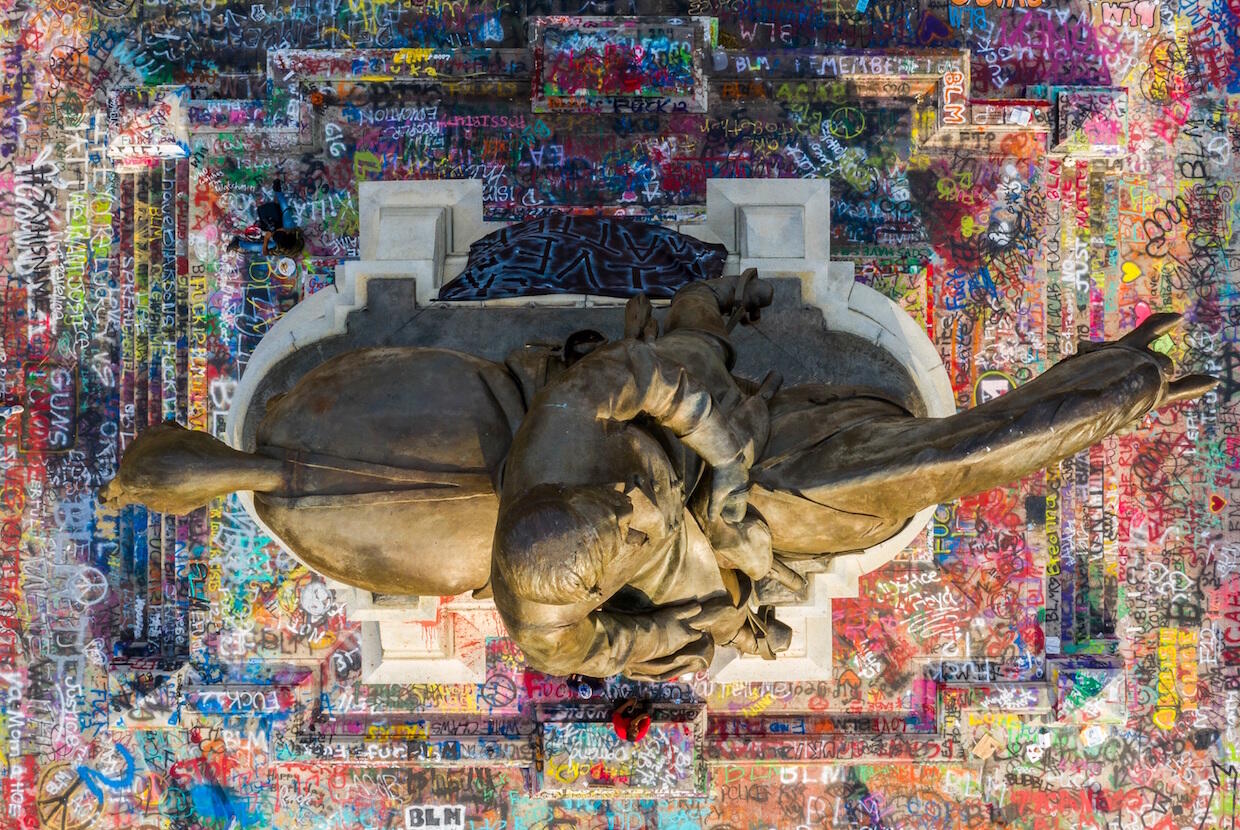
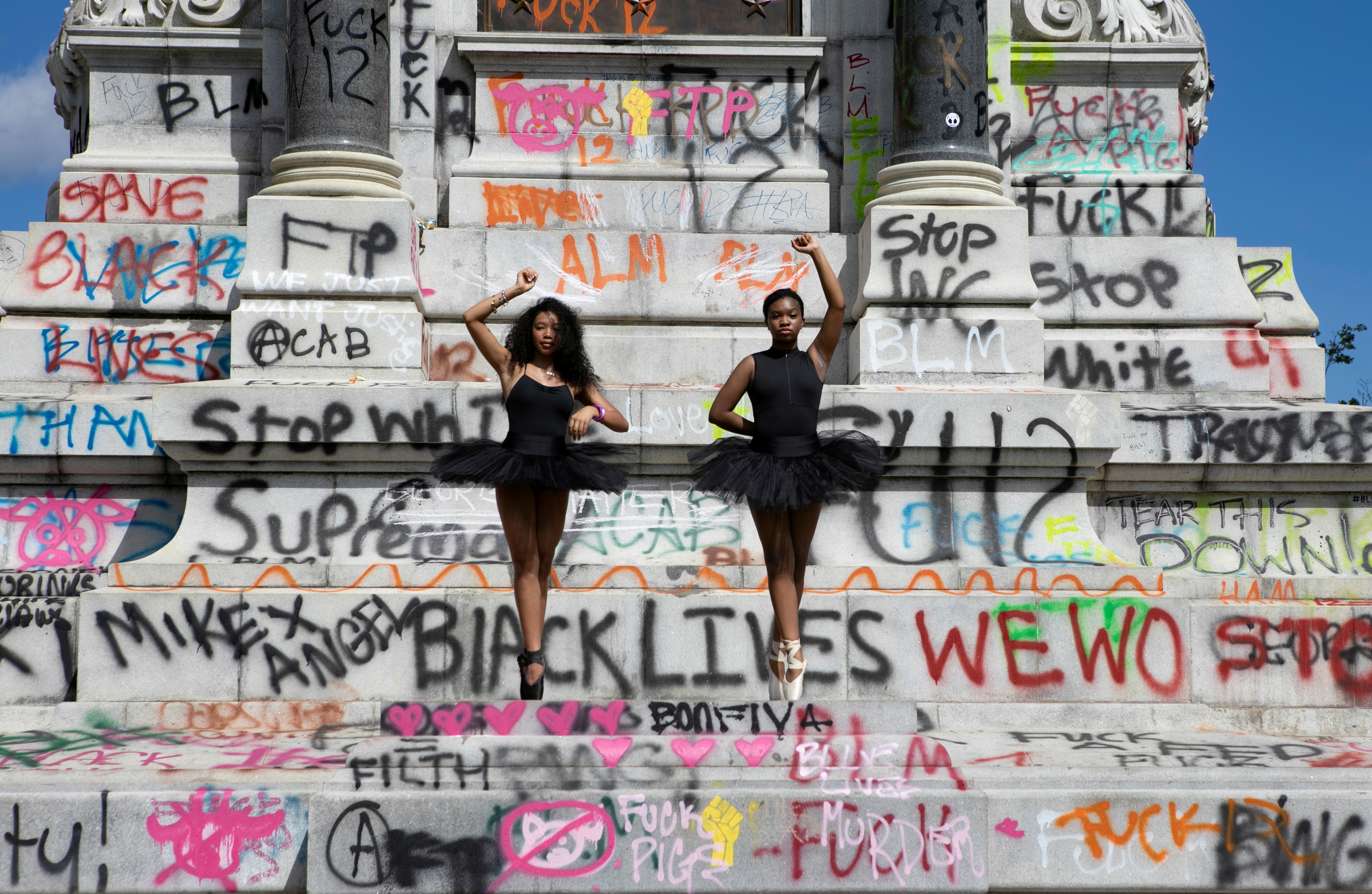
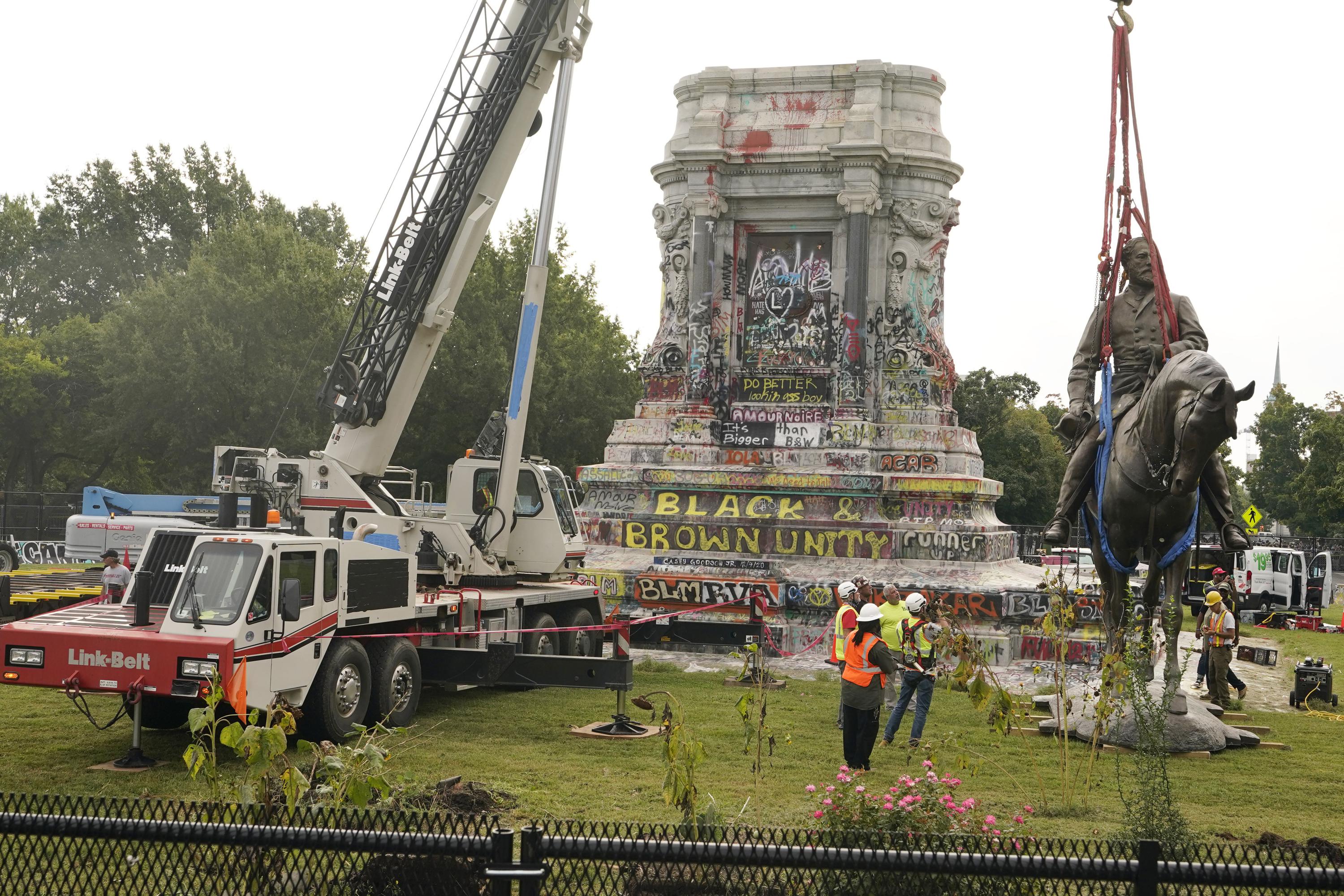
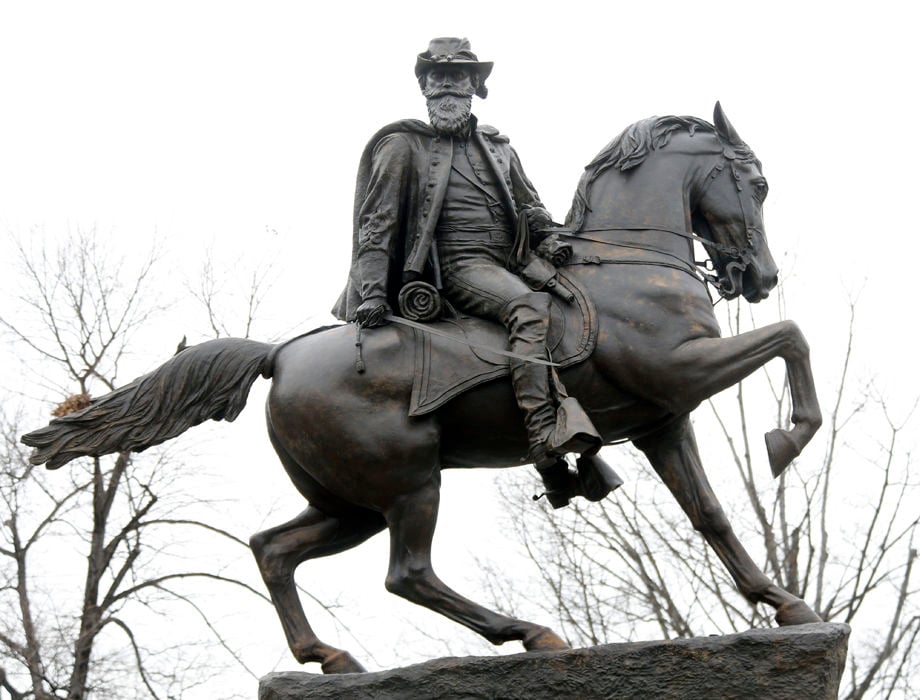
Images by Dustin Klein on the giant pedestal of the former Robert E Lee equestrian stature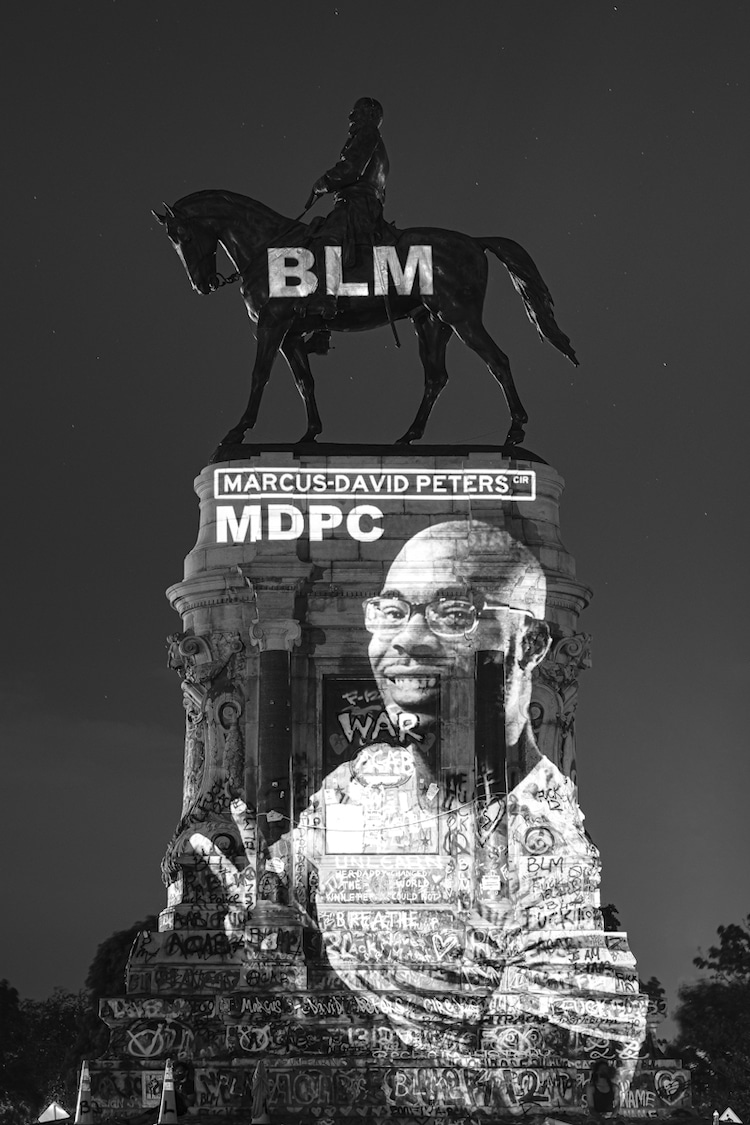
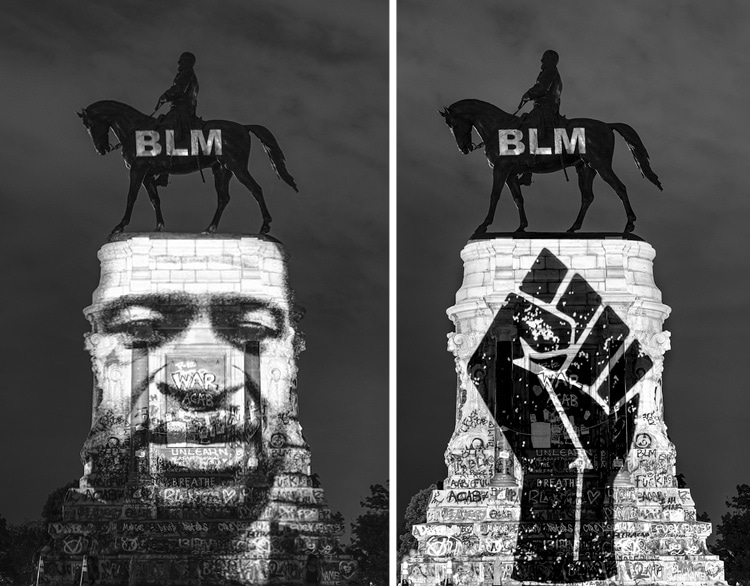
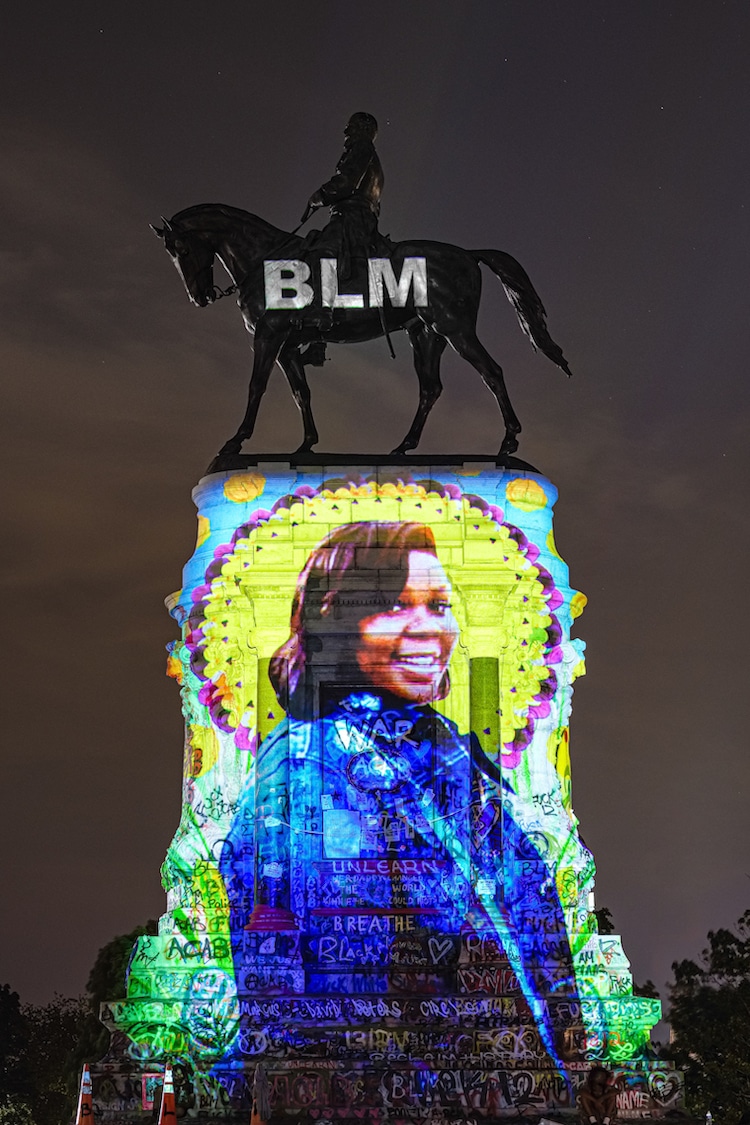
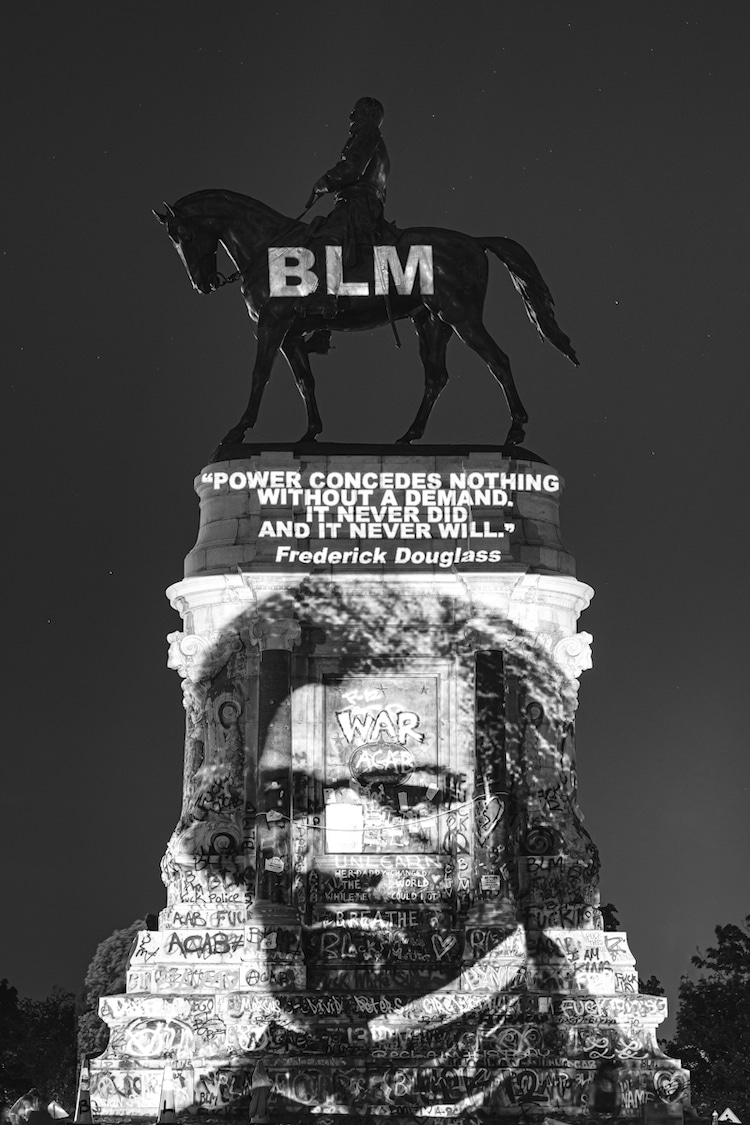
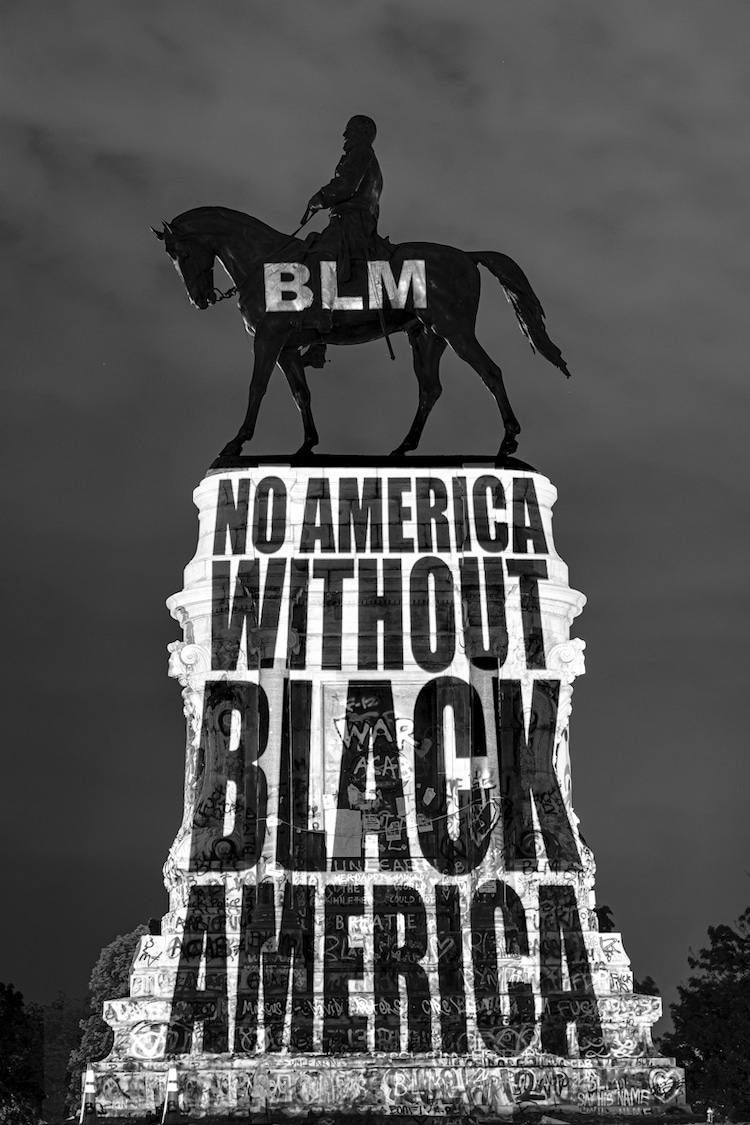
Real estate companies, he said, enticed white homebuyers with restrictive covenants that stated “no lots can ever be sold or rented in Monument Avenue Park to any person of African descent.” Williams quoted historian Kevin Levin, in his June article in The Atlantic, “Richmond’s Confederate Monuments Were Used to Sell a Segregated Neighborhood,” to provide context:
“The Confederate monuments dedicated throughout the South from 1880 to 1930 were never intended to be passive commemorations of a dead past; rather, they helped do the work of justifying segregation and relegating African Americans to second-class status. Monument Avenue was unique in this regard. While most monuments were added to public spaces such as courthouse squares, parks, and intersections, Monument Avenue was conceived as part of the initial plans for the development of the city’s West End neighborhood — a neighborhood that explicitly barred black Richmonders.”
Richmond went on to become a national leader in establishing racial zoning. After the U.S. Supreme Court found such policies to be unconstitutional in 1917, private and commercial discrimination continued in Richmond with covenants forbidding Black and Jewish people. When those deeds were outlawed in 1948, the city continued to embrace redlining policies that upheld segregation.
The city’s Confederate monuments, Williams said, can only be understood in this context: that they were part of a system upholding white dominance.
“The swollen overblown rhetoric that greeted the unveiling of the Lee monument and subsequent ones on Monument Avenue smacked of the desperation people employ when they’re trying to convince themselves and others of what they know to be a lie,” he said.
These monuments are not history. They cannot even accurately be called symbolic statements. They were designed to be part of the actual infrastructure of white supremacy in Richmond.
‘Those monuments fit this city’s prevailing racism like a hand in glove’ Source
/cloudfront-us-east-1.images.arcpublishing.com/gray/KK6SIQ7REJGANN5LPAQZMYQK3E.jpg)




No comments:
Post a Comment