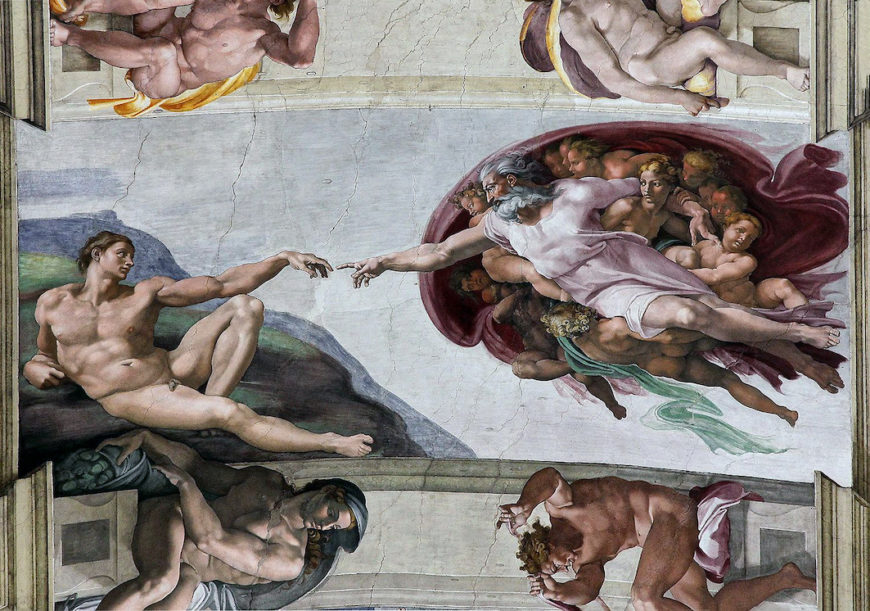
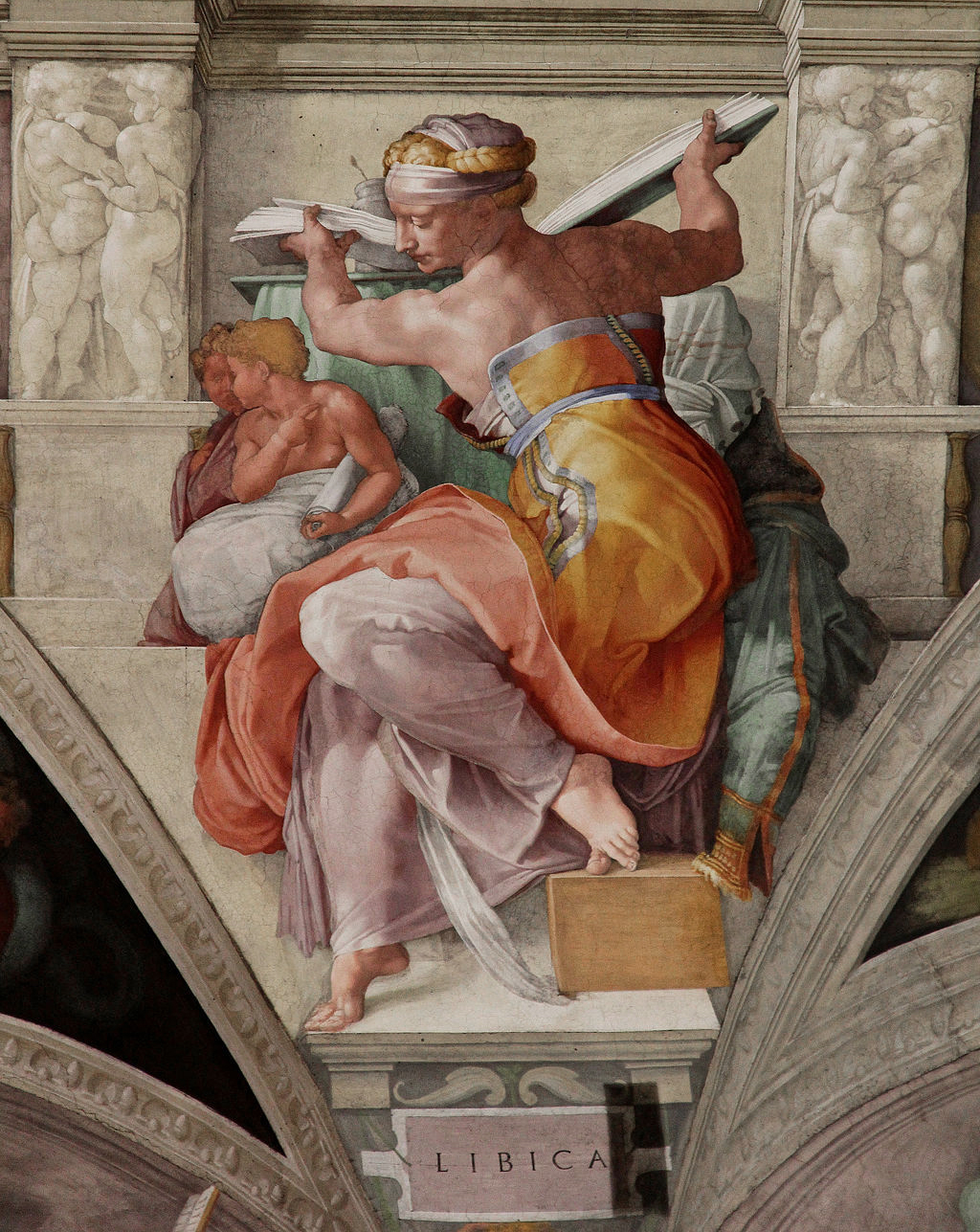
Let's see if we can pick up the pace and cover the Sistine Chapel, Titian's Venus of Urbino, and Botticelli's Birth of Venus, plus begin to dive in on all 6 the key works for today -- it's too much for today, but it may be that we are all in the mood to cover more quickly than we were Thursday the 17th!!
It's too much, and if we dive too deeply into some key works I will cut the others from your 'to do' list.
Transition comparison and contrast-- Renaissance to Baroque:
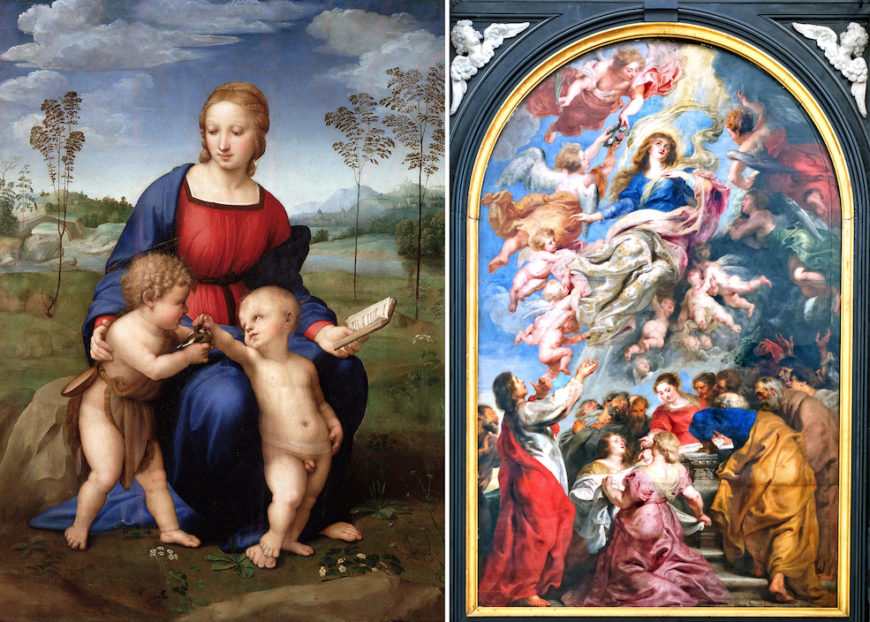
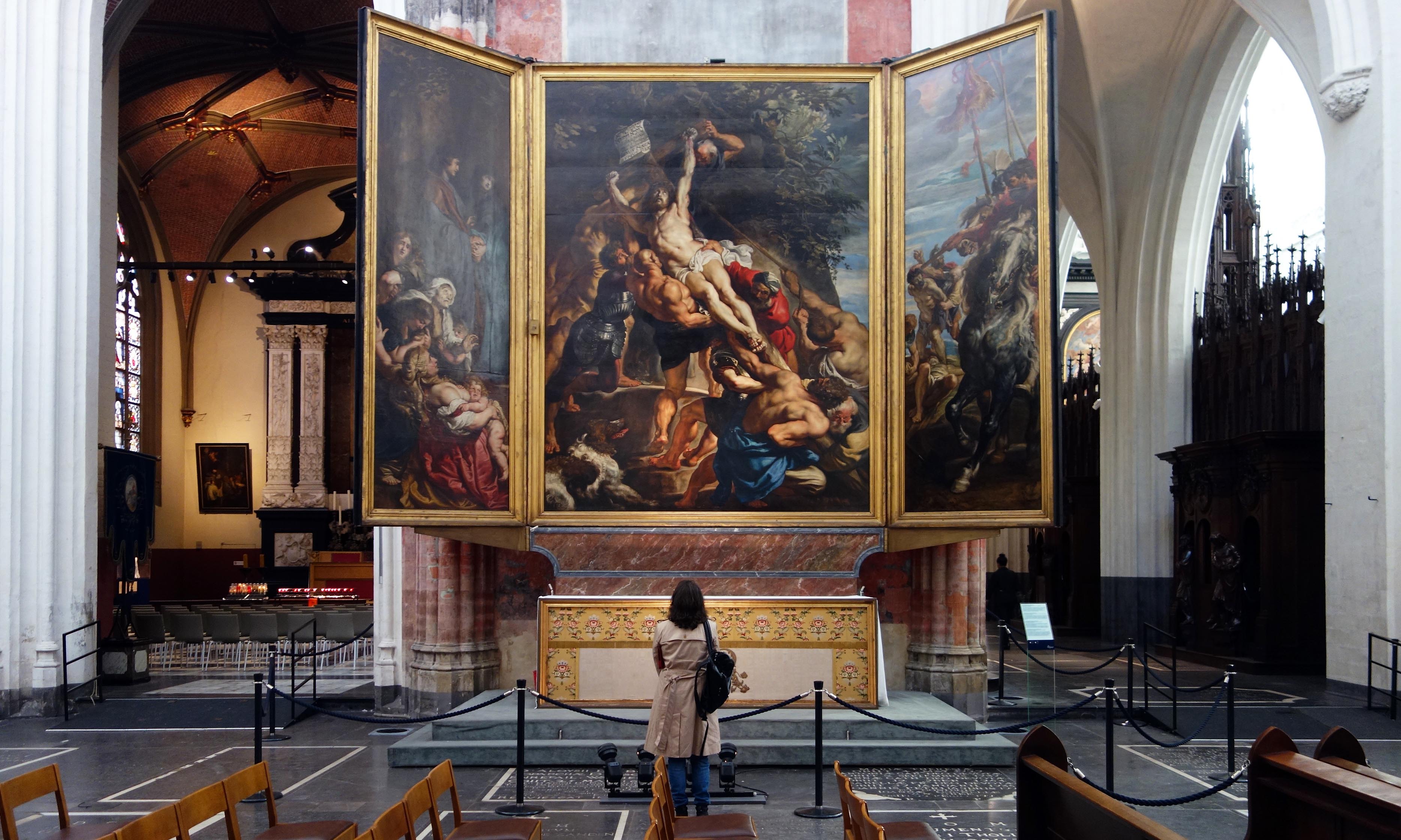
Left: Raphael, Madonna of the Goldfinch, 1505–6, oil on panel, 42 x 30 " Uffizi, Florence; right: Peter Paul Rubens, Assumption of the Virgin Mary, 1626, oil on panel, 16 feet x 12'cm, High Altar of the Cathedral of Our Lady, Antwerp, Flanders, Belgium
Baroque: first truly global style. As a result of colonization, the spread of Catholicism, and trade, materials, objects, and artists moved across distant geographies yet were more interconnected than ever before.... yes, but
Baroque A style characterized by realism, dramatic light/dark contrast, and complex compositions. It affects the emotions and activates the viewer’s space.
Traits: drama, movement, energy, complexity, return to the horror vacui / “ornamental fervor.” recognizable in Byzantine art
Baroque: 17th and much of the 18th centuries in a broad range of geographies across the globe
(barrôco in Portuguese, barrueca in Spanish) describing a specific type of irregular pearl: in other words, a natural but artificial-looking, precious but misshapen object.
17th century fascination with science and discovery led to many varied 'advances' -- maybe rapid transformations is a more helpful term-- in painting in particular. Emphasis on close observation. and new tools to enhance that capacity-- lenses and cameras, for example-- changed the kinds of realism that painters sought.
"Musei Wormiani Historia", the frontispiece from the Museum Wormianum depicting Ole Worm's cabinet of curiosities
A corner of a cabinet, painted by Frans II Francken in 1636, reveals the range of connoisseurship of a Baroque-era virtuoso.
Other terms:
Genre, genre painting, portrait, still-life, history painting, chiaroscuro, tenebrism, theatricality, cabinet of curiosities (wunderkammer)
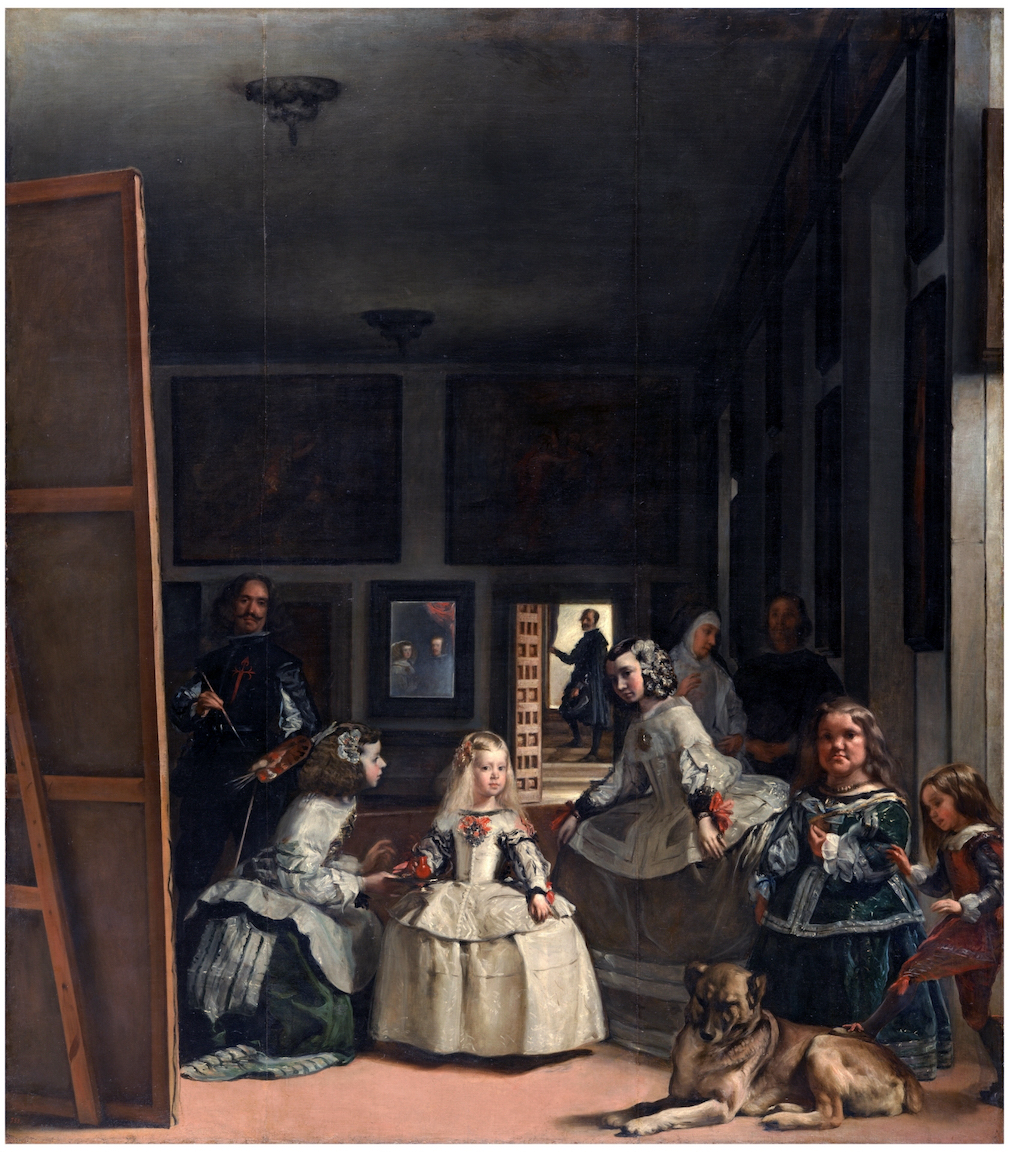
Diego Rodríguez de Silva y Velázquez, Las Meninas, c. 1656, oil on canvas, 125 1/4 x 108 5/8″ genres: portrait, genre, still life, history painting, Order of Santiago
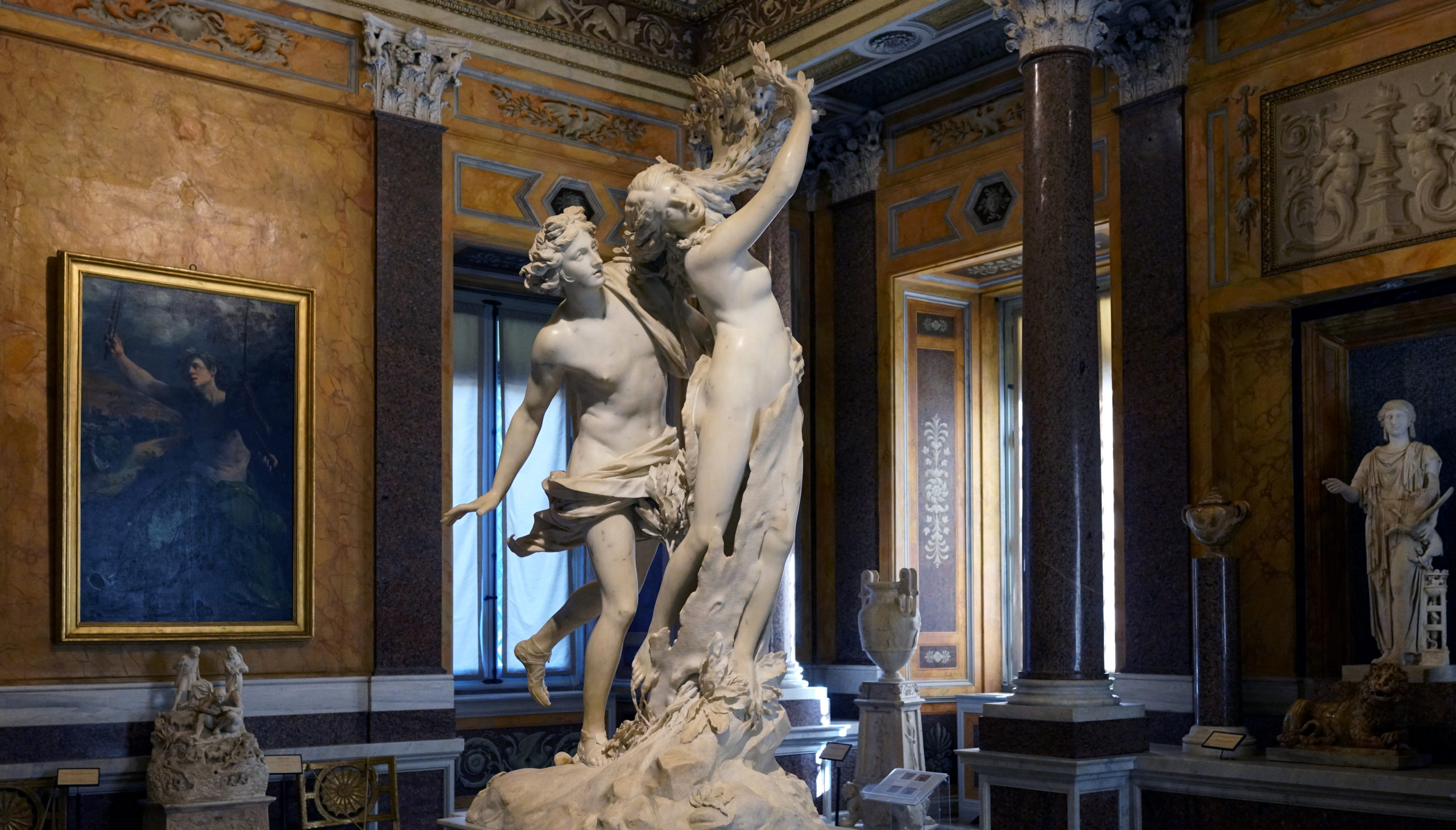
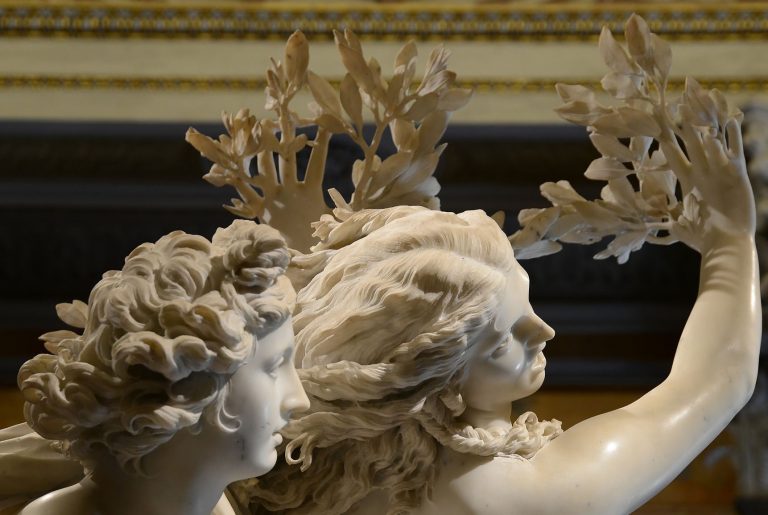
Gian Lorenzo Bernini, Apollo and Daphne, 1622–25
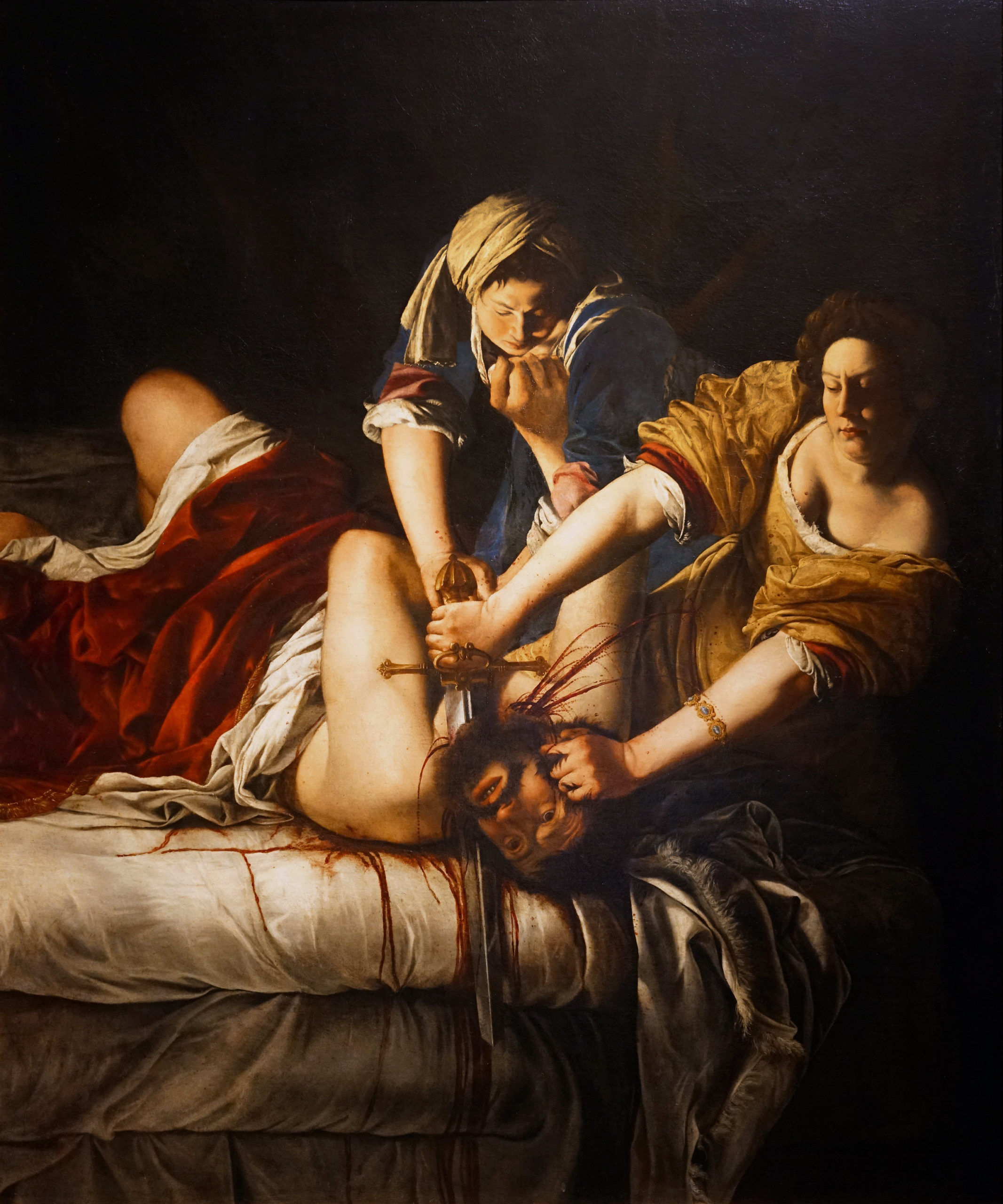
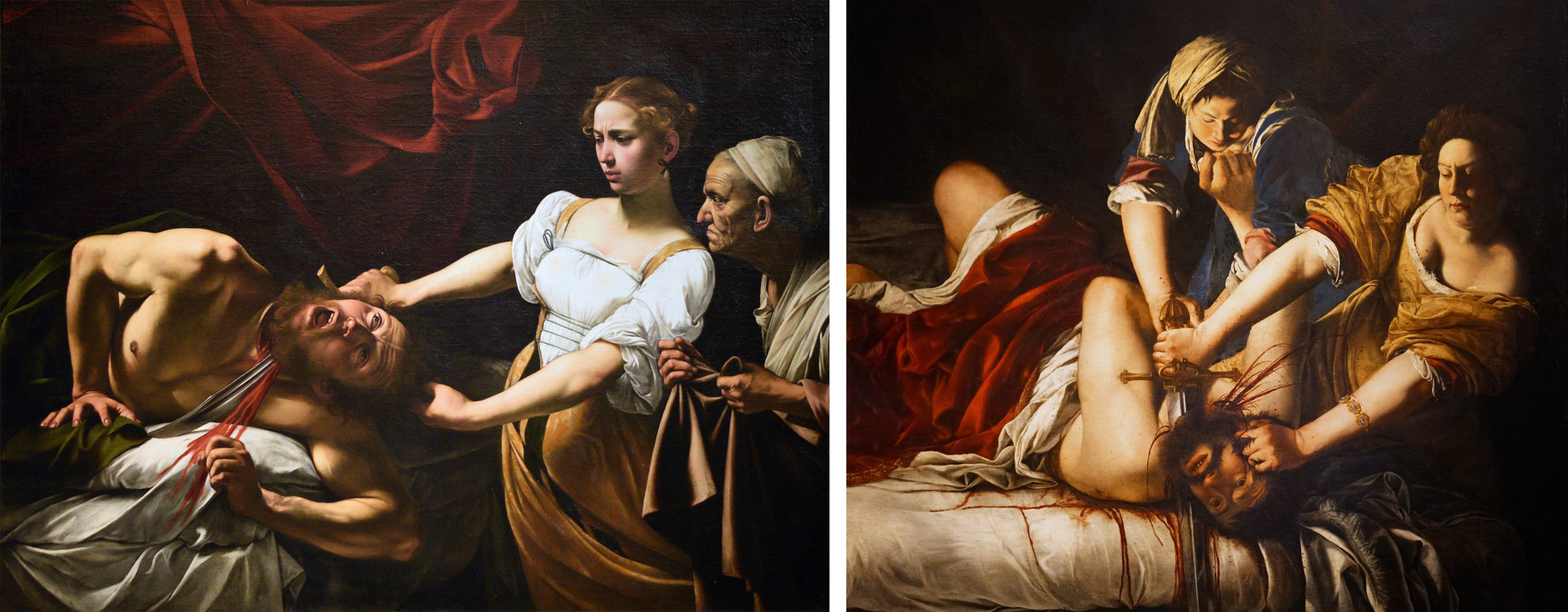
(just a preview! we will discuss this on Monday the 28th together with Caravaggio!) Artemisia Gentileschi, Judith Slaying Holofernes, 1620–21, oil on canvas, 162.5 x 199 cm
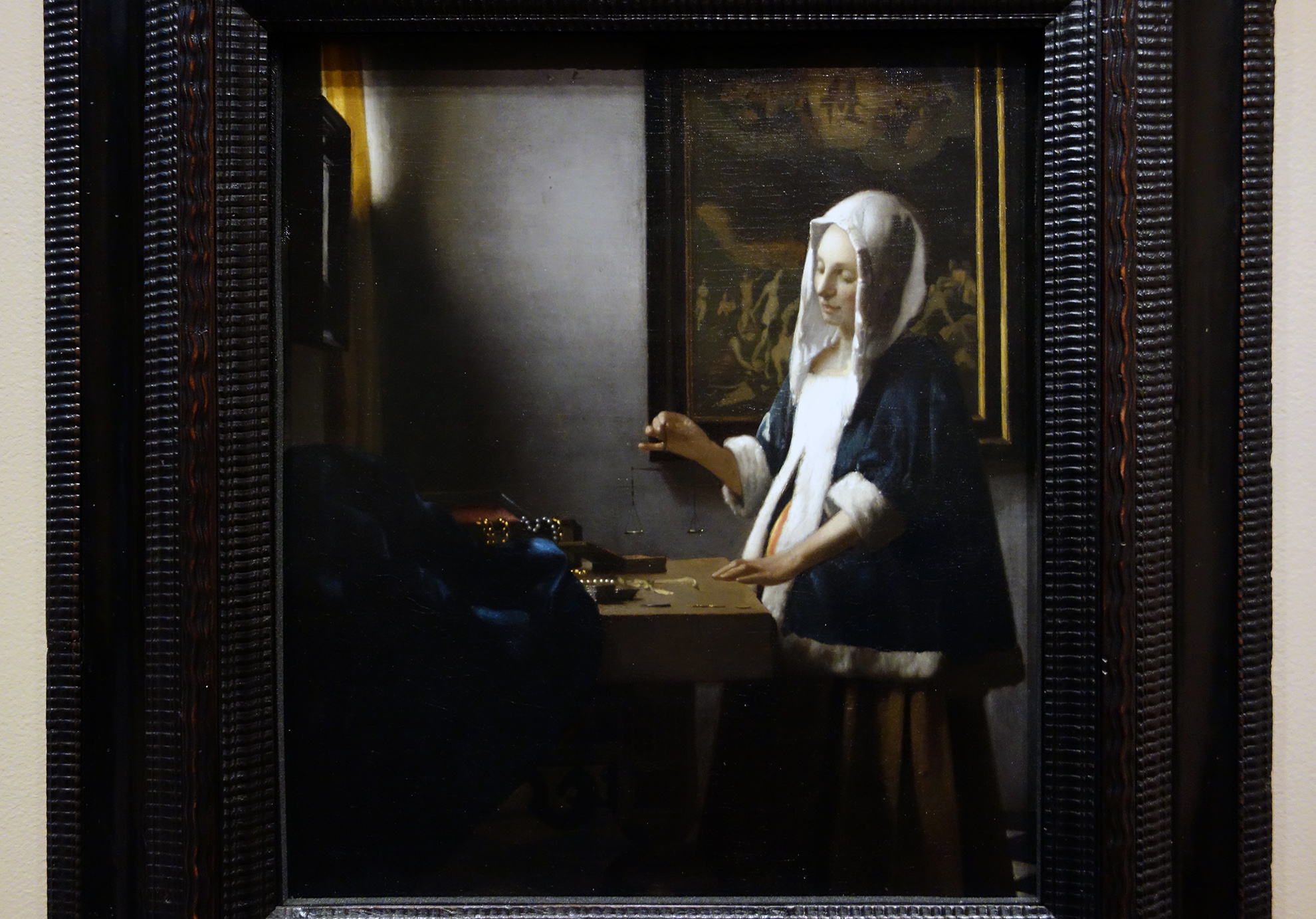
Johannes Vermeer, Woman Holding a Balance, 1664, oil on canvas, 42.5 cm × 38 cm
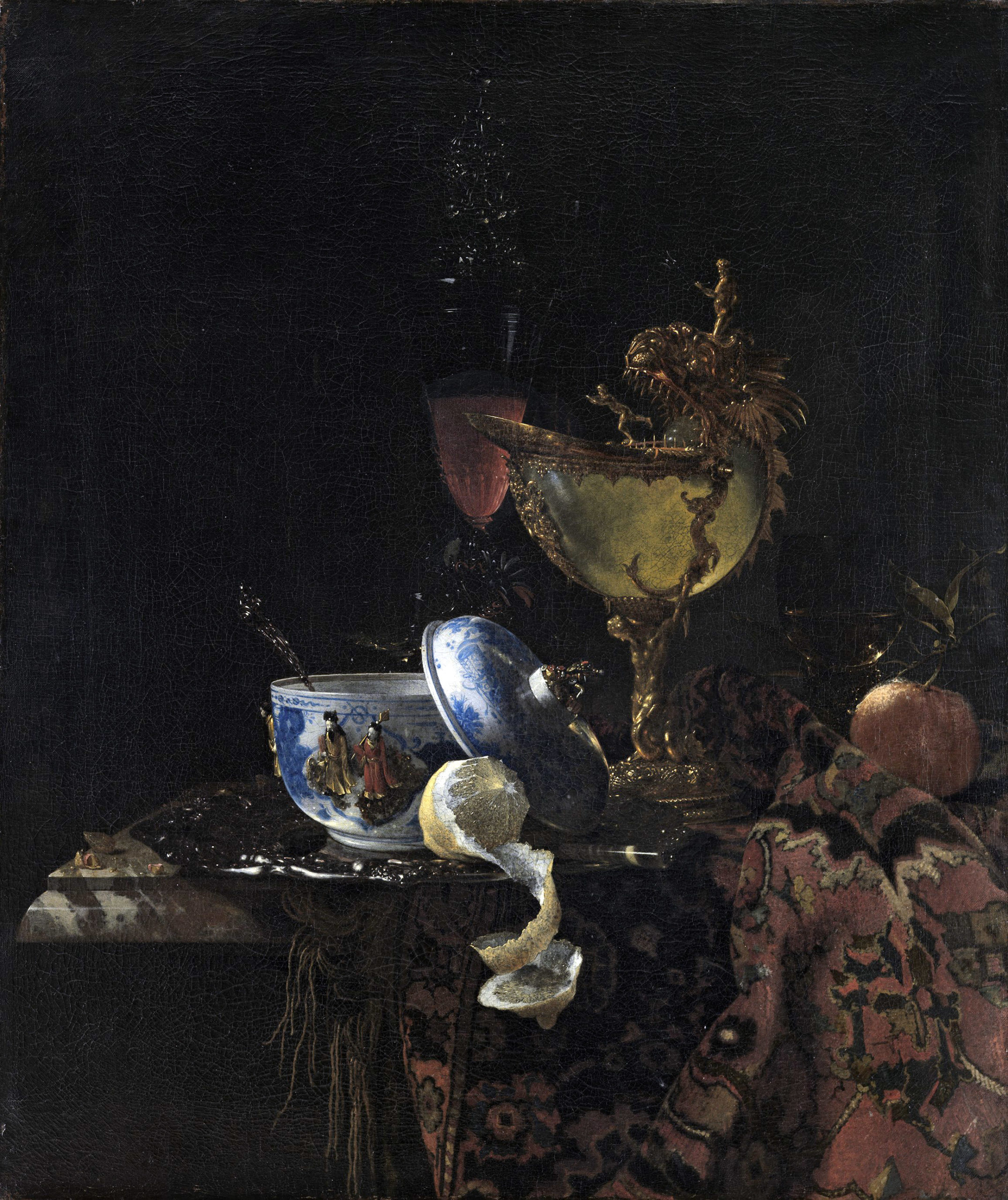
Willem Kalf, Still Life with a Chinese Bowl, Nautilus Cup and Other Objects, 1662, oil on canvas. 79.4 x 67.3 cm
Rembrandt, Self-portrait of the artist in his Studio, c. 1629, oil on canvas, 114.3 x 94 cm
Judith Leyster, Self-Portrait, c. 1633, oil on canvas, 74.6 x 65.1 cm
1st-- classwork will probably run a little bit behind homeowkr until week 5, because we spend so much time on Art Historical Methods early on. We will catch up with ourselves and the syllabus!
Thusday, Sept 10 we will start with discussion on the two major Key Works from the Kingdom of Benin-- the Ivory Mask of an Iyoba and the so-called Benin Bronzes. I'd like you to think about how the multiple contexts (so far) for the bronzes add to and shift their meanings.
Hung in chronological sequence in the the courtyard of the palace of the Oba (the King)
Removed from the courtyard and preserved inside that palace by later rulers
Distributed to global museums-- mainly the British Museum -- after the punitive looting of the palace in 1897 by British armed forces
Above, visitors consider some of the "Benin Bronzes" in the British Museum. Parts of this collection can also be seen all over the world, which is very important to what they have come to symbolize. Where can they be seen? In Nigeria objects from the Kingdom of Benin are housed in the collections of the National Commission for Museums and Monuments (NCMM)(Opens in new window), and some are displayed in the national museums in Benin City, Lagos, Ibadan, Enugu, Kaduna and Jos. However, the majority of the objects are in institutions around the world with the British Museum and the Ethnologisches Museum(Opens in new window), Berlin, having the largest collections. The following European and UK museums also have important collections, some of which have now been legally transferred to Nigerian ownership, though most remain physically in Europe: Weltmuseum(Opens in new window), Vienna, Austria; Museum of Archaeology and Anthropology,(Opens in new window) Cambridge, UK; Rautenstrauch-Joest-Museum(Opens in new window), Köln, Germany; Museum für Völkerkunde(Opens in new window), Dresden, Germany; Museum am Rothenbaum(Opens in new window), Hamburg, Germany; GRASSI Museum für Völkerkunde zu Leipzig(Opens in new window), Leipzig, Germany; Linden-Museum(Opens in new window), Stuttgart, Germany; Nationaal Museum van Wereldculturen(Opens in new window), Netherlands; Pitt Rivers Museum(Opens in new window), Oxford, UK; National Museums Scotland(Opens in new window), UK; Statens museer för världskultur(Opens in new window), Stockholm, Sweden. In the USA there are significant collections in Chicago, Boston, New York, Washington and Philadelphia. (from the British Museum website)
The Art and Artists of the Italian Renaissance 1400-1700
Next-- we dive into the Italian Rennaissance. It's impossible to know too much about this time because that time and place established:
what art history is
Jacopo Zucci, Portrait of Giorgio Vasari, ~1572
Vasari was the author of the Lives of the Most Excellent Painters, Sculptors, and Architects, considered the methodological and ideological foundation of much of Western and even global art-historical writing
the definitions of art, artists, modernism, and illusionism that we impact global art history today,
classical compositional forms, which define the ways people study in conservatories,
the foundations of how we look at and talk about painting, sculpture, and architecture,
a set of works and ideas that govern many people's definition of excellence today, and more.
Three introductory essays that will set up our discussion of Renaissance Art in Italy
You might consider reading straight through them for the 10th, then go back to skim aspects parts you want to remember in preparation for the 14th and 17th.
Renaissance: a period of re-awakening in history, with the 14th-17th European Renaissance being a uniquely self-aware reinstitution of Greek and Roman arts, literature, and aesthetics emerging in Italy and spreading a studia humanitatis aimed at teaching the ethics and values that they believed would lead to a virtuous, active, civic life, work, and system of governance.
Renaissance Humanism: the educational, intellectual and more rarely spiritual program of the Renaissance Humanists believe in the value of classical learning and of individual humanity.
Patron
Connoisseur(ship)
Key Concepts regarding the Renaissance
Who: Humanists:
turn to the scientific method when seeking understanding of how the earth and universe work
make decisions based on reason and concern for humanity
believe in the inherent value of humanity.
Artist/Artisan/Craftsperson
In Europe, until the time of the Renaissance, a career making visual art cast the makers in a lower class than, for example, poets, musicians, scientists, philosophers as well as the merchants and leisured aristocrats; art-makers made things with their hands, rather than their minds or pocketbooks, and thus were craftspeople. Our colleagues in D&P, say, in scene painting, might really understand this-- as surely do some parts of filmmaking.
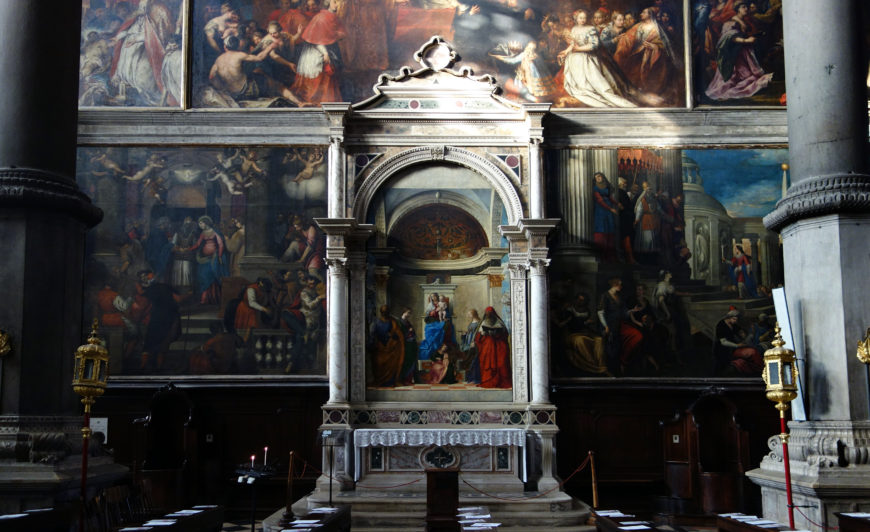
Giovanni Bellini, San Zaccaria Altarpiece, 1505, oil on wood transferred to canvas, 16 feet 5–1/2 inches x 7 feet 9 inches
The definition of art as separate, and of artists as thinkers, innovators, even creative geniuses, came about in part because of some potent lobbying on the part of folks like Leonardo, Michelangelo, and Raphael, as well as Alberti and Vasari who recorded their histories.
What? painting, sculpture, architecture-
many artists did all three
what's missing from this list?
iconography- religious, secular (new genres, classical subjects, contemporary subjects)
style
interpretation
When
600 B.C.E.–400 C.E. Ancient Greece and Rome (also known as the classical past or classical antiquity, this 1,000 year span of time is itself broken by historians and art historians into smaller designations, such as archaic, high classical, hellenistic, etc.)
400–c. 1400 the Middle Ages (c. 1200–1400 is often called the Late Middle Ages)
1400–1600 the Renaissance
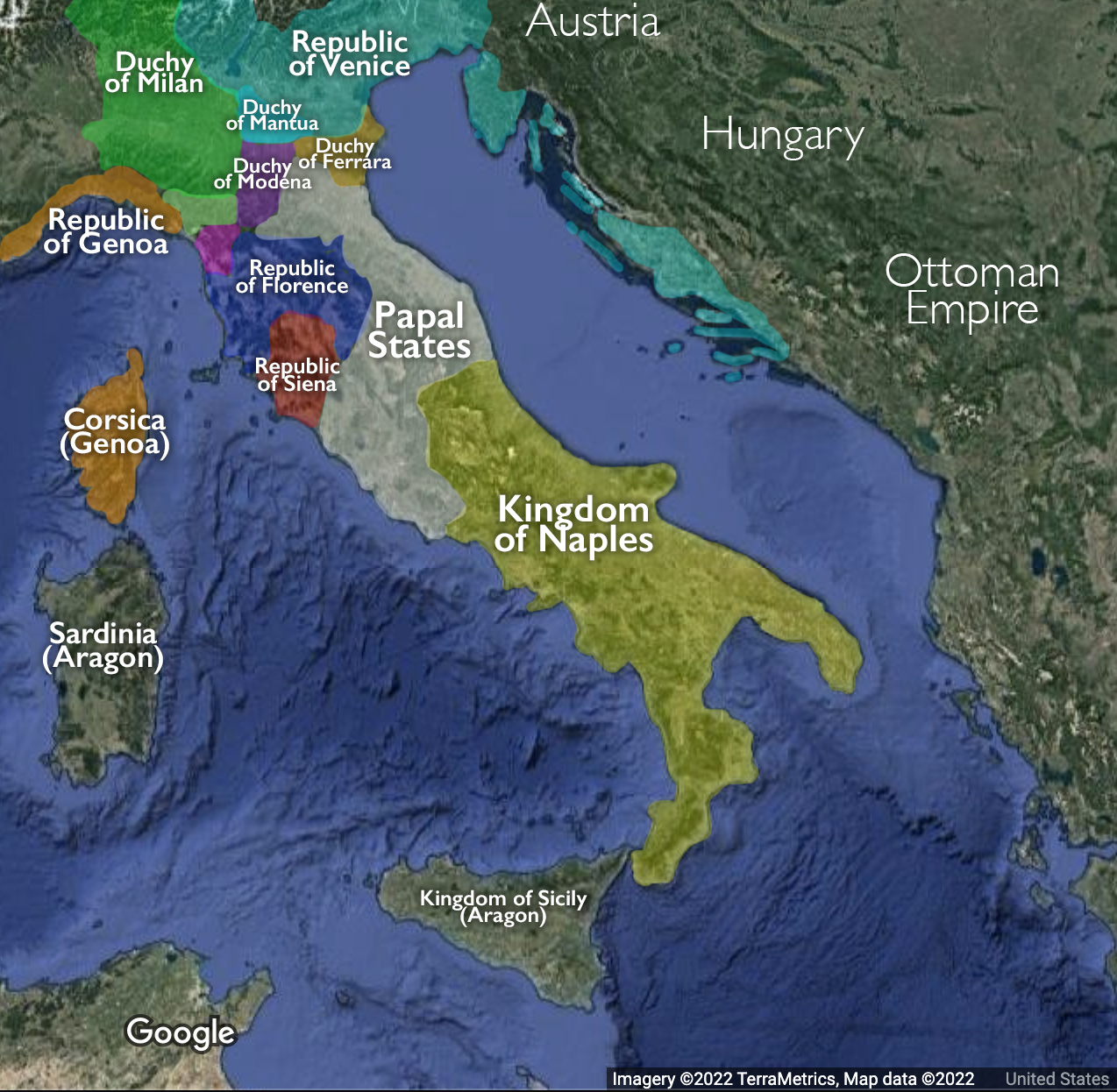
Where? Western Europe
TRANSITIONS
Byzantine in Ravenna
Basilica of San Vitale, Ravenna, 6th C. Byzantine or late Antique
Ravenna, Basilica of San Vitale, apse vault, mosaic of Christ Pantokrator, Saint Vitalis of Milan, Bishop Ecclesius, and two angels (completed 547) Byzantine Period
Ravenna, Basilica of San Vitale, apse vault, mosaic of Christ Pantokrator, Saint Vitalis of Milan, Bishop Ecclesius, and two angels (completed 547)
Many formal values that-- whether we want them to or not-- govern the ways we look at art in the US emerged in the European Renaissance, and prove tricky to escape! For example, "Linear perspective, volumetric figures rendered with anatomical precision, emotionally charged expression, and visual naturalism are formal elements popularized in the Renaissance. This was especially true of art in Italy where ancient Roman art demonstrating many of these traits was abundant (such as Roman relief sculpture and architecture)." Smarthistory We are so familiar with these capacities defining what makes good art that it can be difficult to pick up different measuring sticks. Is this still true?
Qualities of Byzantine Art: brick or stone exteriors; Glittering, complicated, detailed, ornamental, fantastic, organic Interiors.
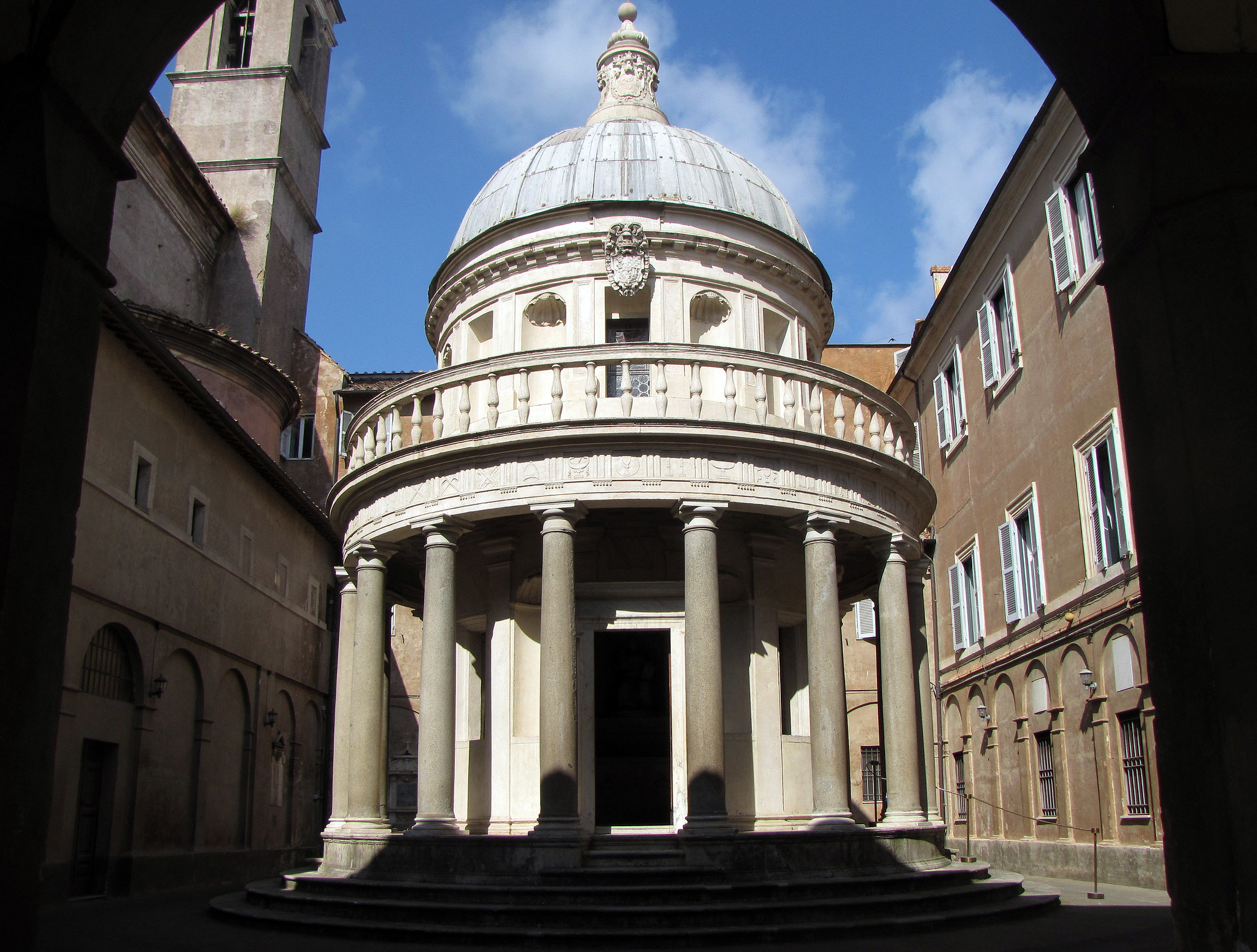
Donato Bramante, Tempietto, c. 1502, San Pietro in Montorio, Rome
Giotto-- Scrovegni Chapel, Arena Chapel
The Scrovegni Chapel also known as the Arena Chapel, is a small church in Padua, Northern Italy, commissioned by wealthy banker Ernesto Scrovegni in early 1300's proto-Renaissance
'
View towards the Apse and Altar, Scrovegni Chapel, frescos by Giotto.
proto-Renaissance
'
Scrovegni Chapel, detail illustrating some of the 3-register frescos by Giotto di Bondone; top register showing The Life of the Virgin Mary, middle: Life of Christ; bottom: Passion (or the series leading up to the death and resurrection of Christ) and the 7 virtures. The total wall sequence is 38 fresco panels; the chapel interior is 68.5ft long, 27.6ft wide, and 41.5ft high
vocab:
fresco,
register,
Giotto,
Renaissance naming traditions;
image naming standards (Artist or Author, Title, date, period, possibly location and materials)
Byzantine,
proto-Renaissance, Renaissance in European Art History,
volumetric figures rendered with anatomical precision,
emotionally charged expression, and
visual naturalism
Renaissance generally,
features of modern art already visible in European art, leading to it often being known as the beginning of the 'Early Modern Period' in global art history
Vasari, author of "Lives of the Artists", relates that when the Pope sent a messenger to Giotto, asking him to send a drawing to demonstrate his skill, Giotto drew a red circle so perfect that it seemed as though it was drawn using a pair of compasses and instructed the messenger to send it to the Pope. The messenger departed ill pleased, believing that he had been made a fool of. The messenger brought other artists' drawings back to the Pope in addition to Giotto's. When the messenger related how he had made the circle without moving his arm and without the aid of compasses the Pope and his courtiers were amazed at how Giotto's skill greatly surpassed all of his contemporaries
9 ⁄ 75 More details Padua: Scrovegni Chapel. Giotto frescoes in 38 panels with stories of Mary and Christ. 1, Expulsion of Joachim from the temple; 2, St. Joachim shelters among the shepherds; 3, The angel announces to St. Anne that she will be a mother; 4, The angel announces to St. Joachim, the sacrificant, that his prayer will be answered (the composition repeats, placed outdoors with a shepherd replacing the maid); 5, St. Joachim's dream; 6, Meeting of Joachim and Anna at the Golden Gate of Jerusalem; 7, Nativity of Mary; 8, Presentation of Mary at the temple; 9, Delivery of rods to St. Simeon; 10, Prayer for the flowering of the rods; 11, Marriage of Mary; 12, Wedding procession of Mary; 13, God the Father entrusts the Annunciation to Mary to the Archangel Gabriel; 14, Annunciation; 15, Visitation; 16, Nativity of Jesus; 17, Adoration of the Magi; 18, Presentation of Jesus at the temple (on the left, Fanuel's daughter with prophecy scroll); 19, Flight into Egypt; 20, Massacre of the Innocents; 21, Jesus among the doctors; 22, Baptism of Jesus; 23, Wedding at Cana; 24, Resurrection of Lazarus; 25, Entry of Jesus into Jerusalem; 26, Expulsion of merchants from the temple; 27, Judas receives the price of betrayal; 28, Last Supper; 29, Washing of the feet; 30, Judas kiss; 31, Jesus before Caiaphas; 32, Coronation with thorns; 33, Ascent to Calvary; 34, Crucifixion; 35, Deposition; 36, Resurrection; 37, Ascension; 38, Pentecost. In Guida Rossa Veneto Touring Club Italiano
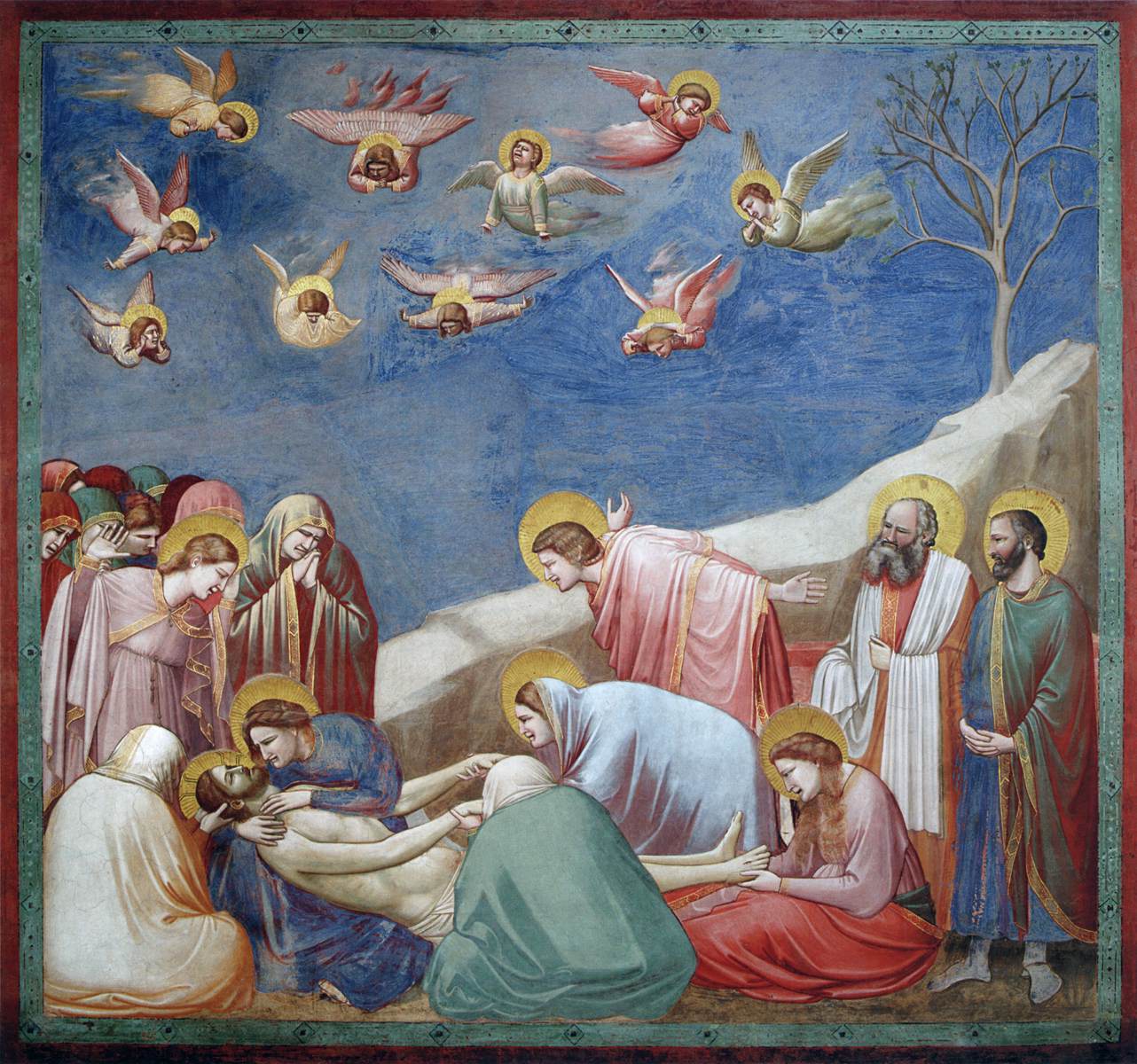
Giotto di Bondone, Lamentation over the Dead Christ, 1305, fresco, Scrovegni Chapel, Padua, Italy
Giotto di Bondone,Joachim among the Shepherds, 1305, fresco, Scrovegni Chapel, Padua, Italy
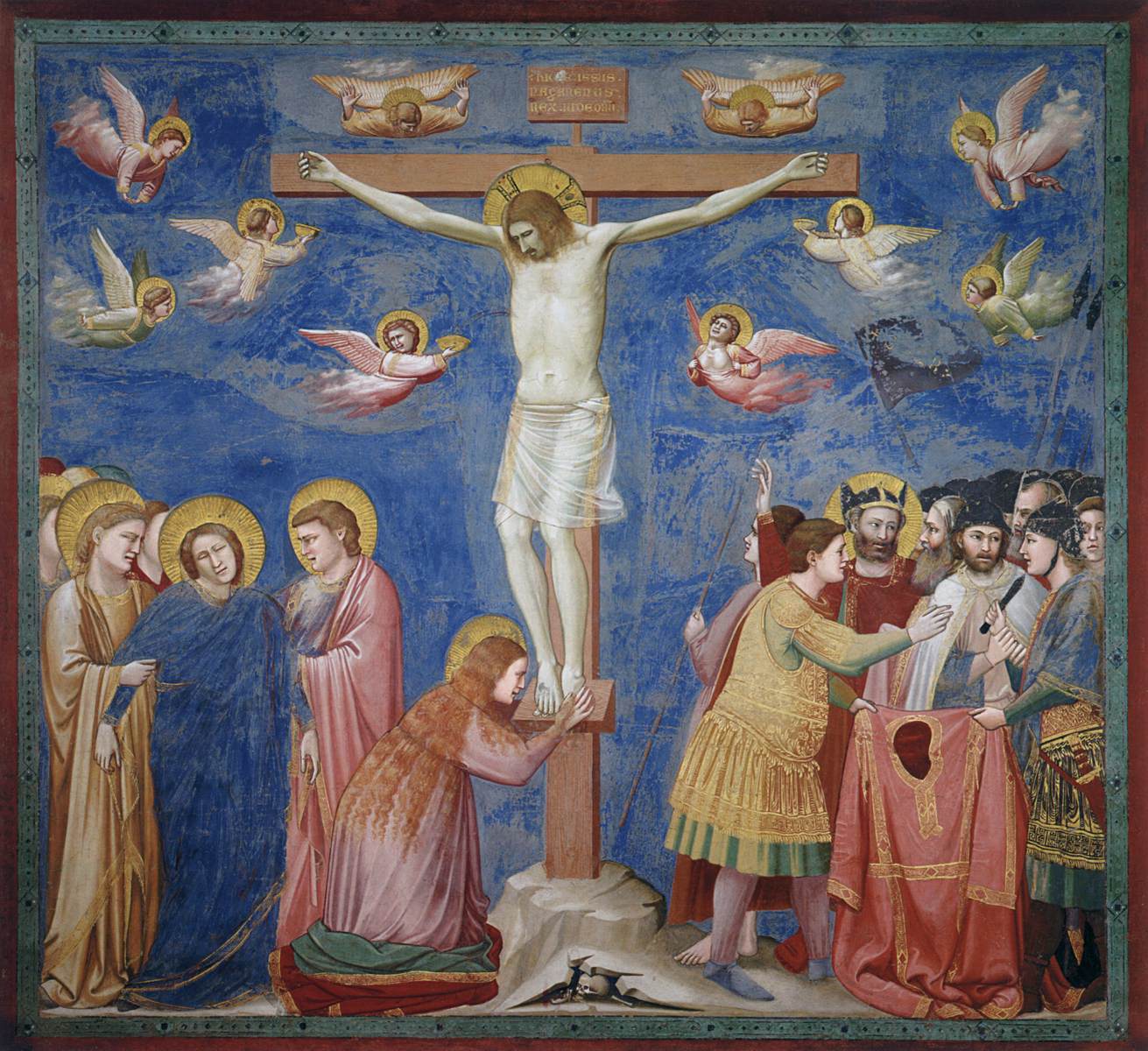
Giotto di Bondone, Crucifixion, 1305, fresco, Scrovegni Chapel, Padua, Italy

















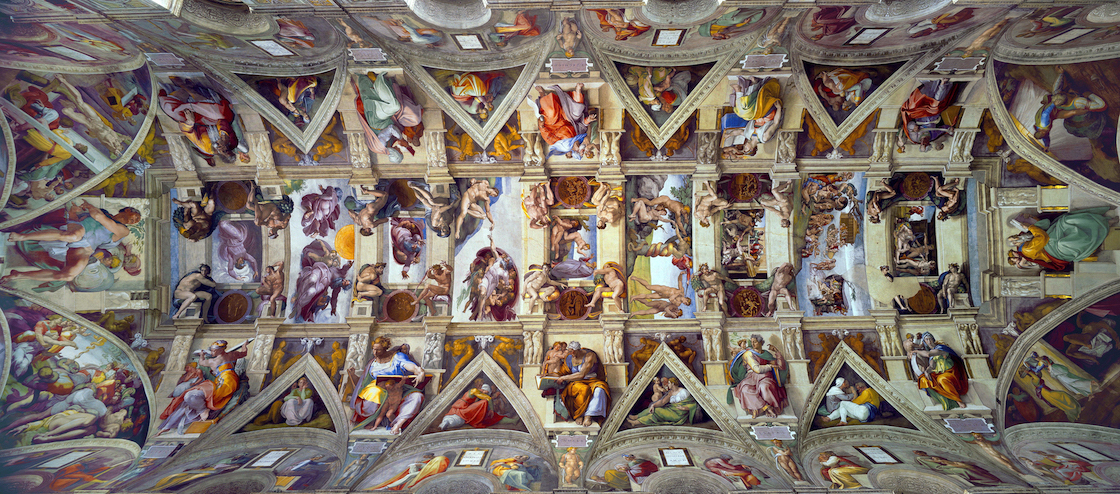
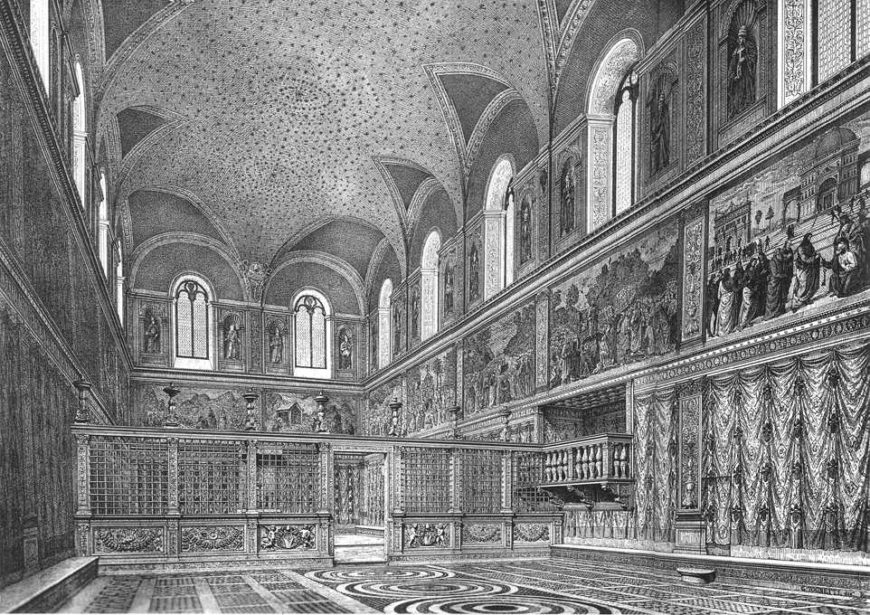
![Diagram of the subjects of the Sistine Chapel [1] (photo: Begoon, CC BY-SA 3.0)](https://smarthistory.org/wp-content/uploads/2022/01/1280px-Sistine_Chapel_ceiling_diagram.svg.png)