 |
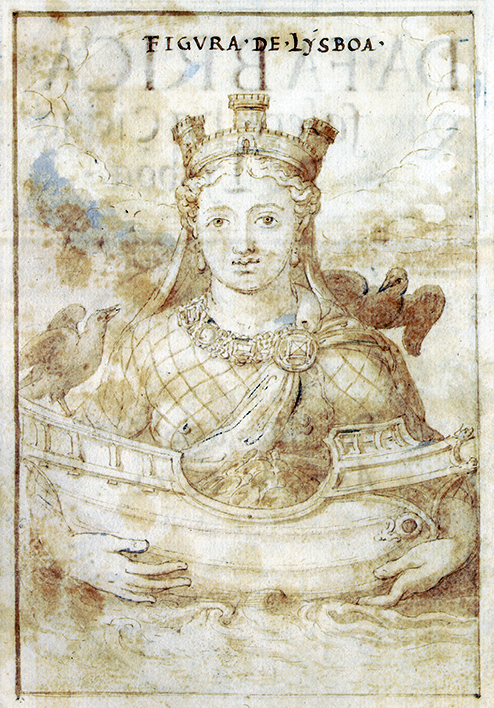
Francisco de Holanda, Allegorical Image of Lisbon, 1571, pencil on paper, in Francisco de Holanda, A Fábrica que Falece à Cidade de Lisboa (1572) |
Portugal, Iberian Peninsula, Europe 1400-1800, Benin, West Africa 1400-20th c., England, Great Britain, Europe, late 19th & early 20th c
Portuguese Empire; Portugal and Age of Discovery? Age of Enlightenment? Colonial Period?
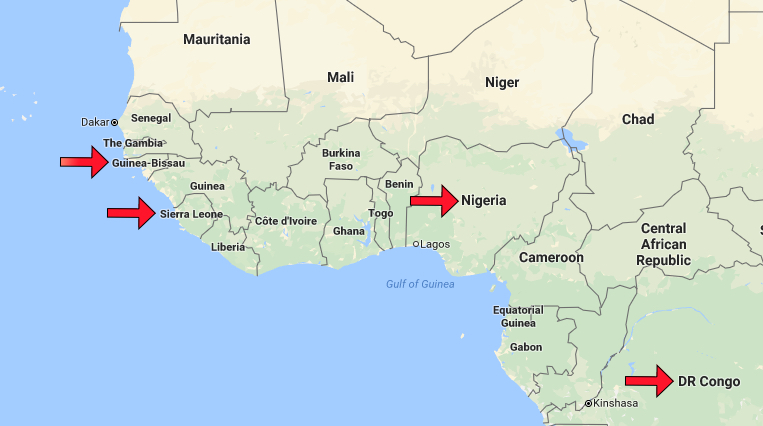
What do you notice about the map below?
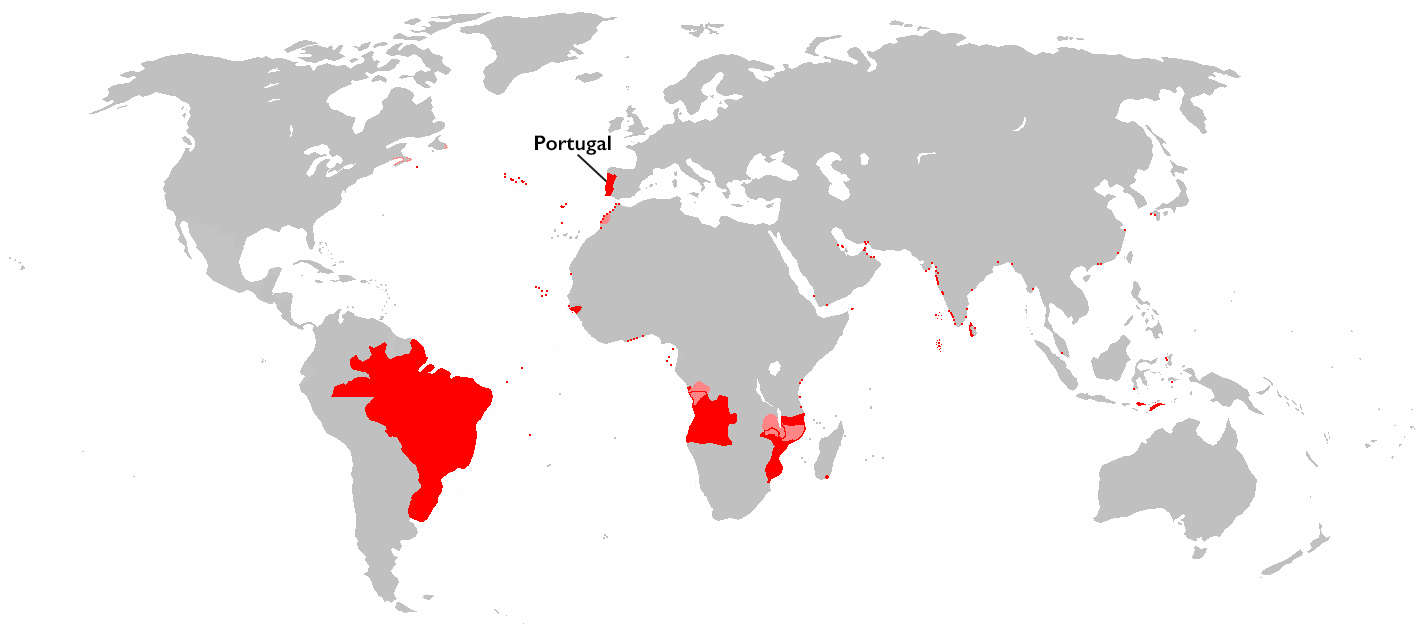 |
| Map Source: wikipedia |

Portugal is about the size of Maine or Indiana. Benin is about 3x as large (112,000 sq miles compared to 35,000) and is about the size of Ohio or Pennsylvania. (NC is about 53,000 sq miles.)
What do you notice about the map below?
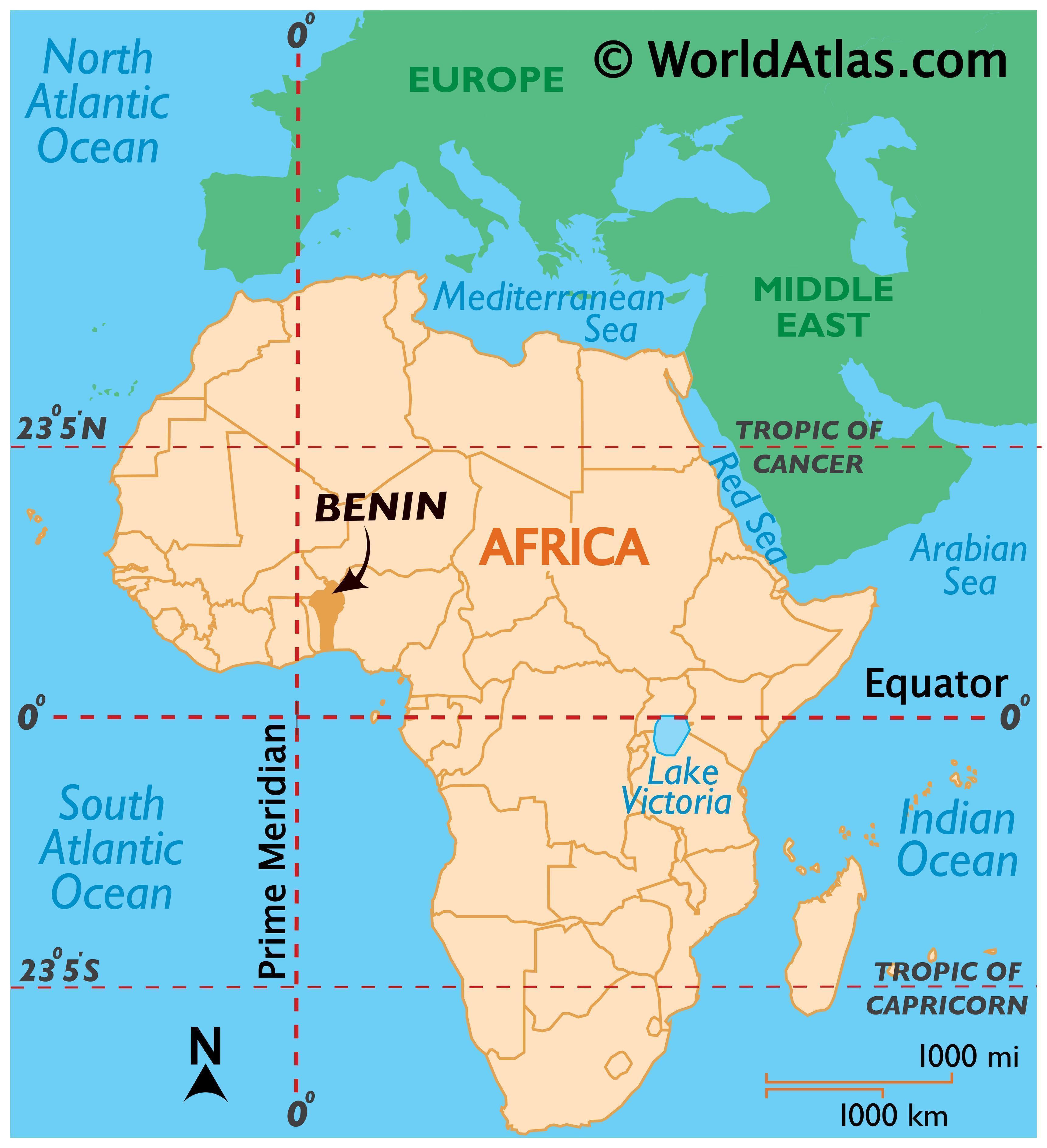 |
| Benin locator- c. 16th-17th c |
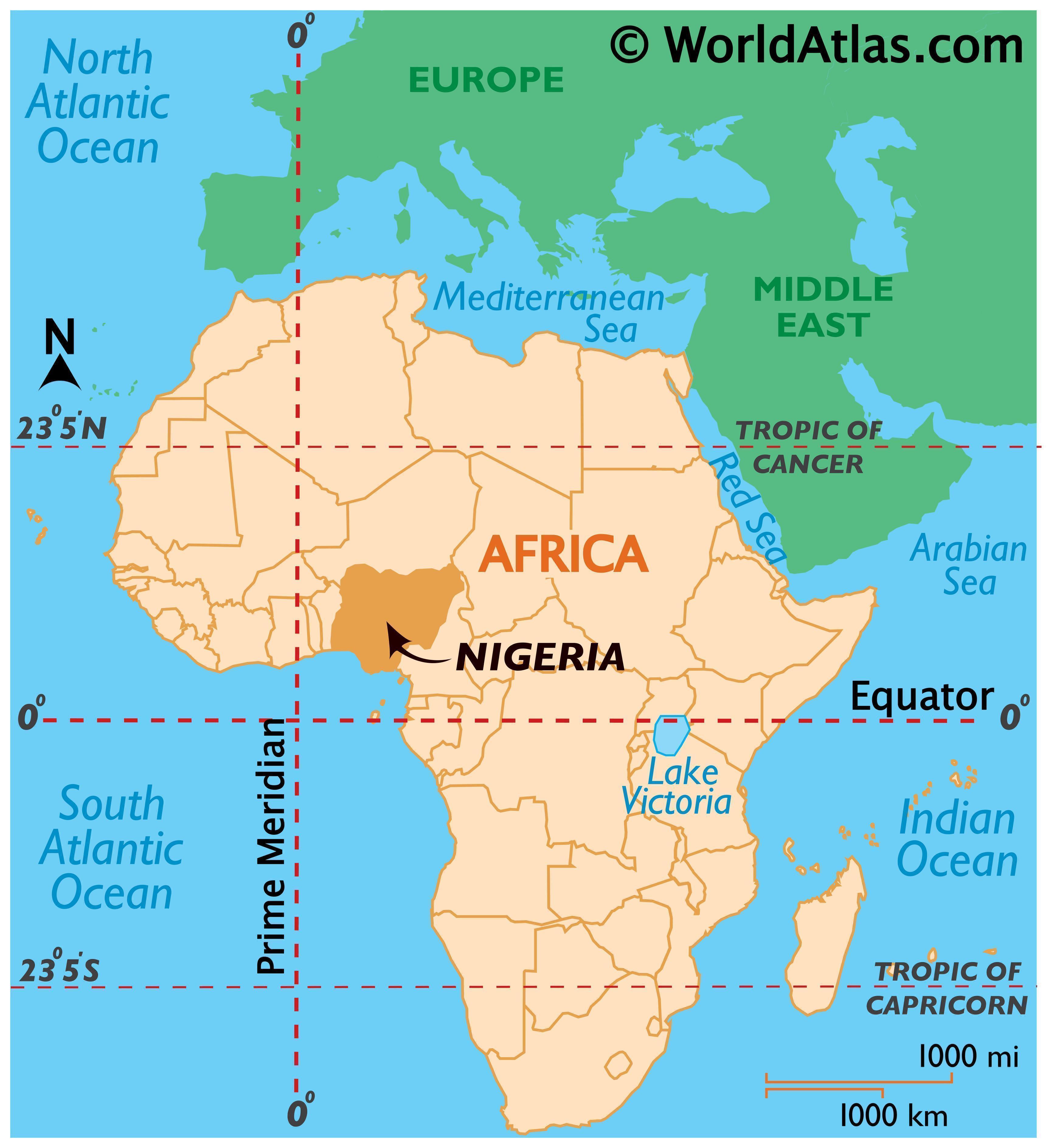 |
| Nigeria locator-- historic Kingdom of Benin is inside present-day Nigeria. Tezas is about 36% smaller than Nigeria. US is 11 x larger than Nigeria. |
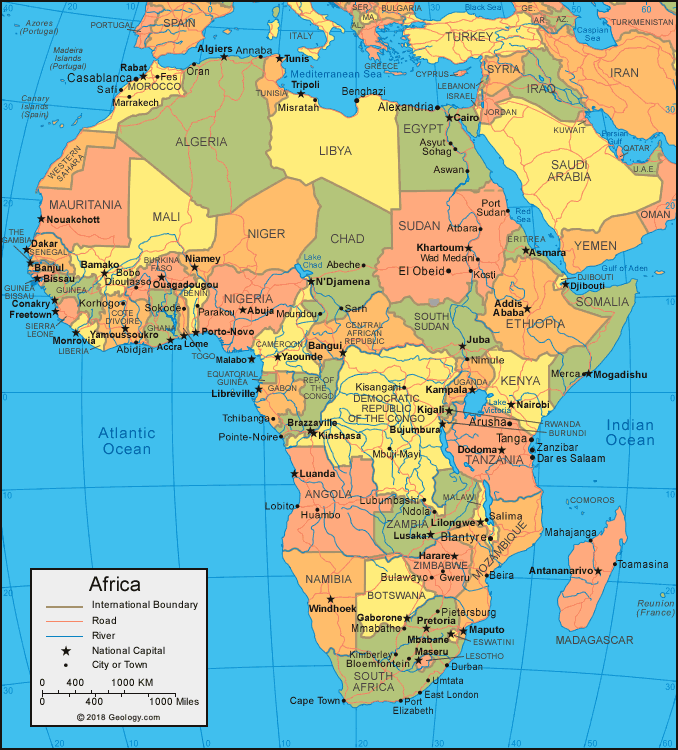 |
| Current Political Map of Africa |
 |
| Map of the greatest extent of the portuguese empire |
 |
| map of greatest extent of british empire |
 |
| Brass figure of a Portuguese soldier holding a musket, 17th century C.E., Benin, Nigeria, brass, ~18" tall (photo © Trustees of the British Museum) |
Iberian Union
confraternity
evangelization
cultural entanglement
"Age of Exploration"
relief- bas-relief/low-relief, haut-relief/high relief
When Portuguese merchants or consumers were interacting with artists in other continents, who was making decisions about an artwork’s materials, iconography, and design?
Who would have been viewing and using an artwork or architectural structure? How would different audiences have understood the objects?
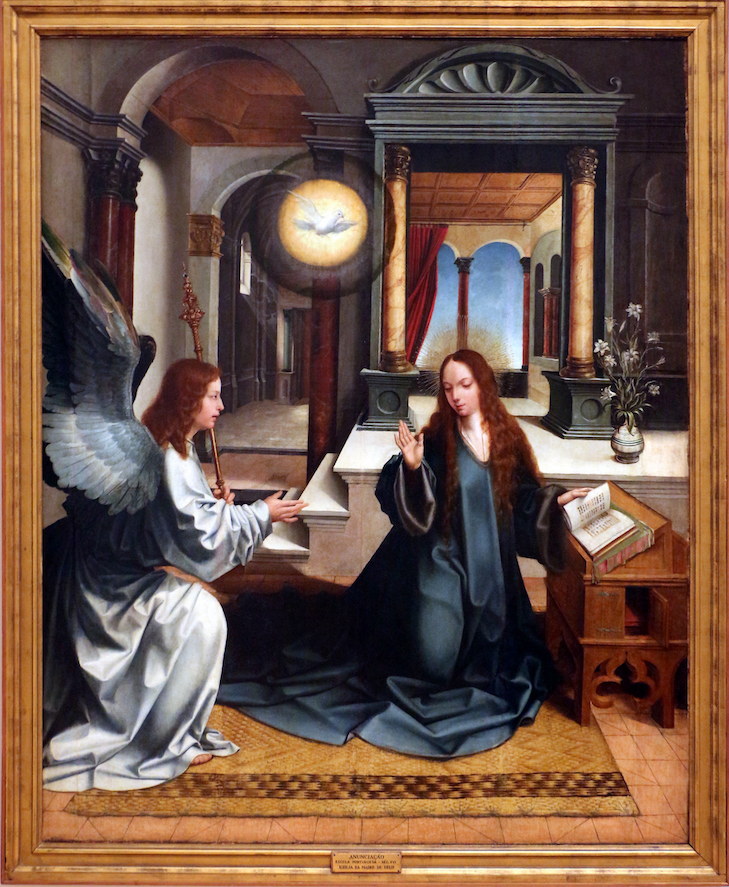 |
Attributed to Jorge Afonso’s workshop, Annunciation, 1515, oil on panel (Museu Nacional de Arte Antiga, Lisbon) |
Observations: formal/compositional? content? iconography? subject? emotion? style? interpretation?
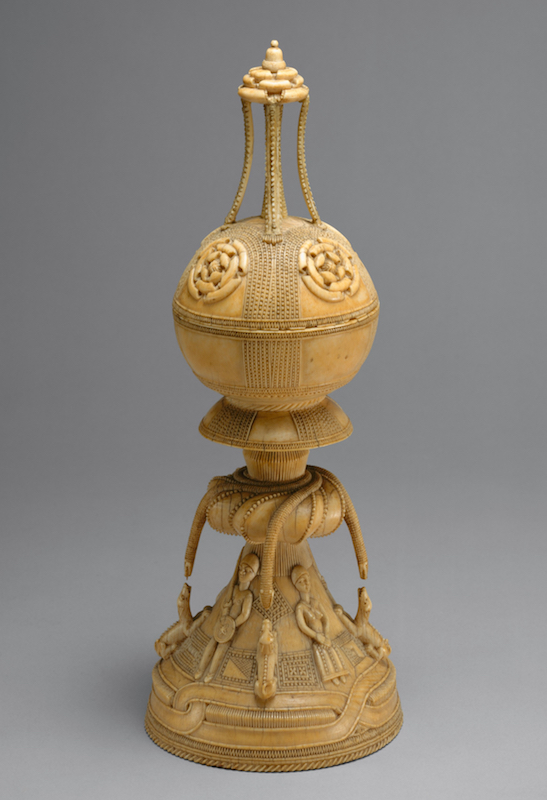 |
| Hybridity: Lidded Saltcellar, Sierra Leone, Sapi-Portugese, 15th–16th century, ivory, 29.8 cm high (The Metropolitan Museum of Art) |
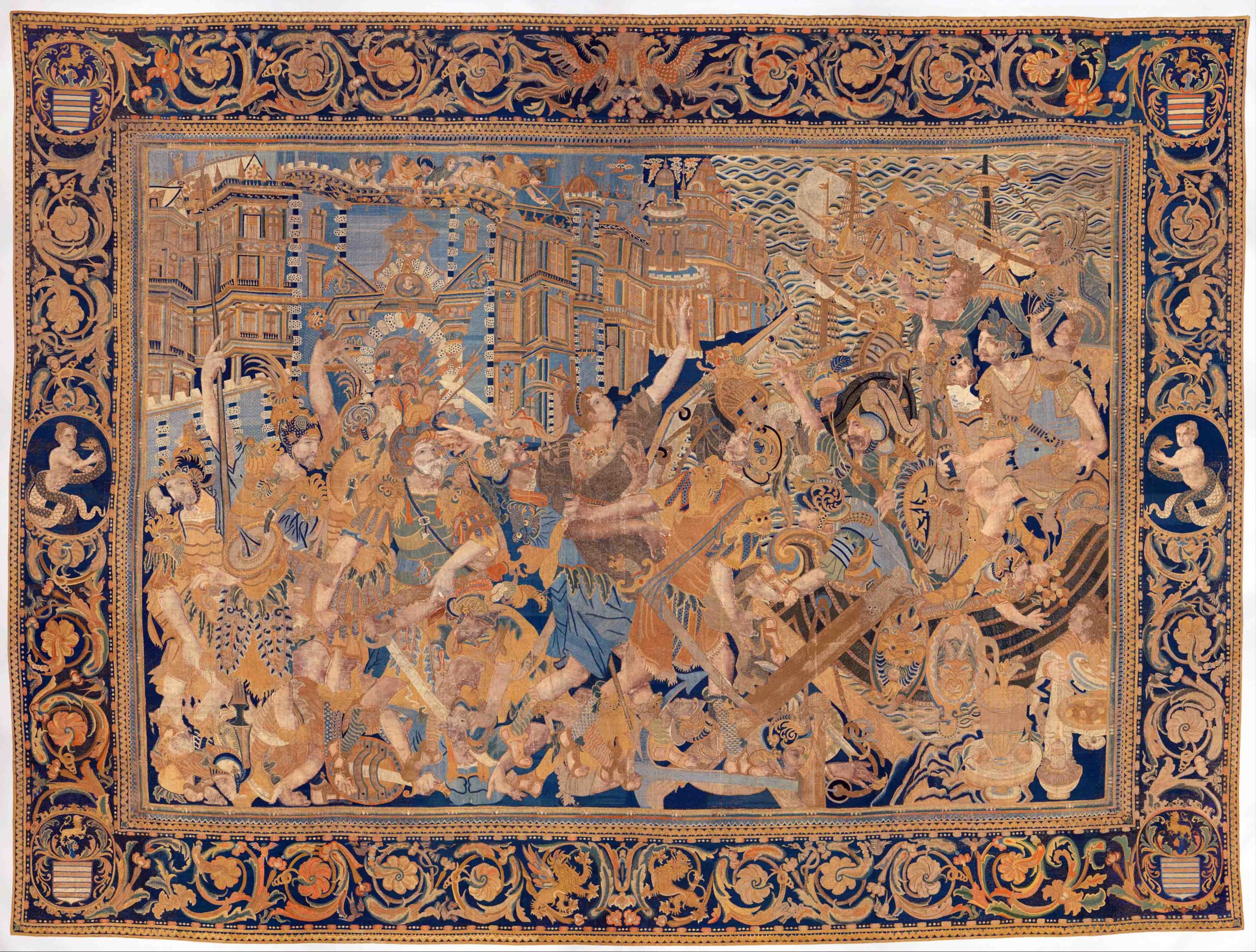 |
| A tapestry made in China for the Portuguese market that shows a scene from the story of Troy. The Abduction of Helen, from a set of the story of Troy, first half of the 17th century, cotton, embroidered with silk and gilt-paper-wrapped thread, pigment, from China, for the Portuguese market 3.6 x 4.8 m (The Metropolitan Museum of Art) |
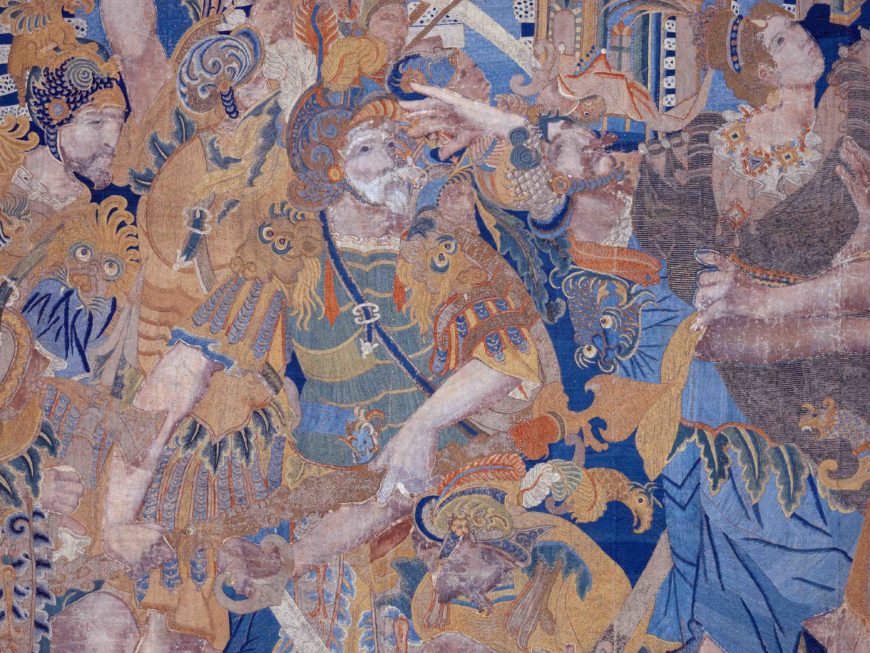 |
Detail of Menelaus, The Abduction of Helen, from a set of the story of Troy, first half of the 17th century, cotton, embroidered with silk and gilt-paper-wrapped thread, pigment, from China, for the Portuguese market 3.6 x 4.8 m (The Metropolitan Museum of Art) What else was going on in the world? 1st half of 17th c-- early 1600's In China? In Benin? In Portugal? In USA? In Italy? What does the tapestry tell us about cultural entanglements? "Like the overlapping, twisting bodies of the warriors that are challenging to make out on the tapestry, so too is it difficult to categorize this tapestry by place, style, or artists. Is it renaissance or baroque art? Chinese art? On a site like Smarthistory, where do we locate this tapestry? Transcultural objects will continue to push art historians to rethink how we categorize art, especially since most of those categories were developed without complex, culturally entangled works like the Abduction of Helen in mind." |
How can active description of form and content in the image below build understanding of cultural entanglements? How do they help build understanding of the questions raised by the text? When Portuguese merchants or consumers were interacting with artists in other continents, who was making decisions about an artwork’s materials, iconography, and design? Who would have been viewing and using an artwork or architectural structure? How would different audiences have understood the objects?
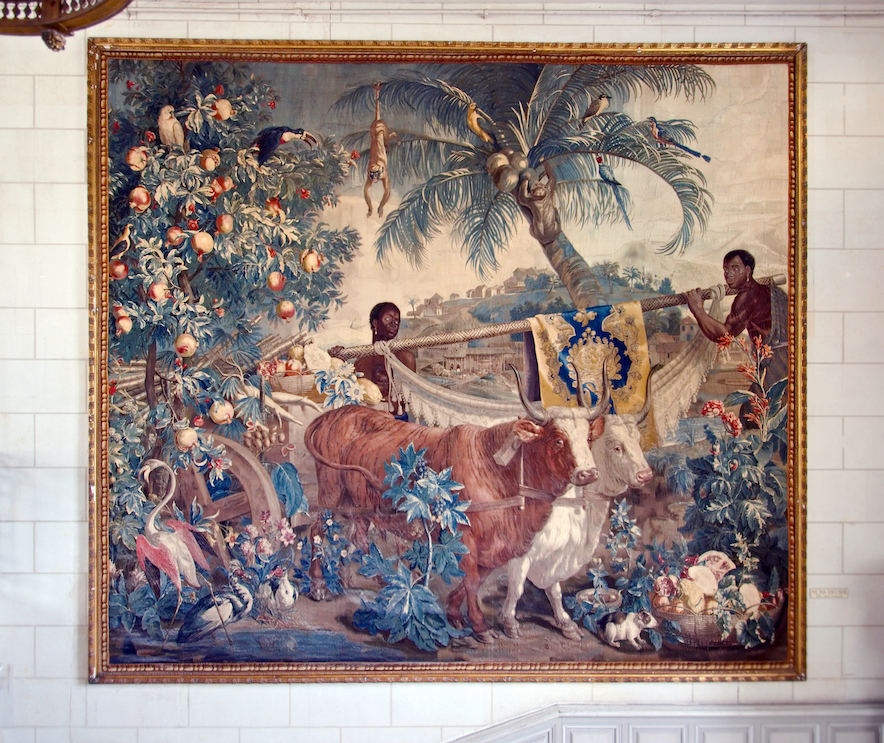 |
Desportes Alexandre François (designer), Gobelin Workshop (weavers), after cartoons by Albert Eckhout and Frans Post, “The two bulls,” c. 1734, tapestry, Château de Valençay (photo: Frédéric Bisson, CC BY 2.0) |
 |
| Mudfish Plaque, Benin Kingdom, present-day Nigeria, Edo People, 16th-17th centuryRelief plaque, lost-wax cast in brass. |
 |
| Bronze relief of an Oba, Edo Peoples, 16th-17th centuries, ~20" high, made in Benin City for the Oba's palace, now in the British Museum. British Museum Contextualization of the Plaques. |
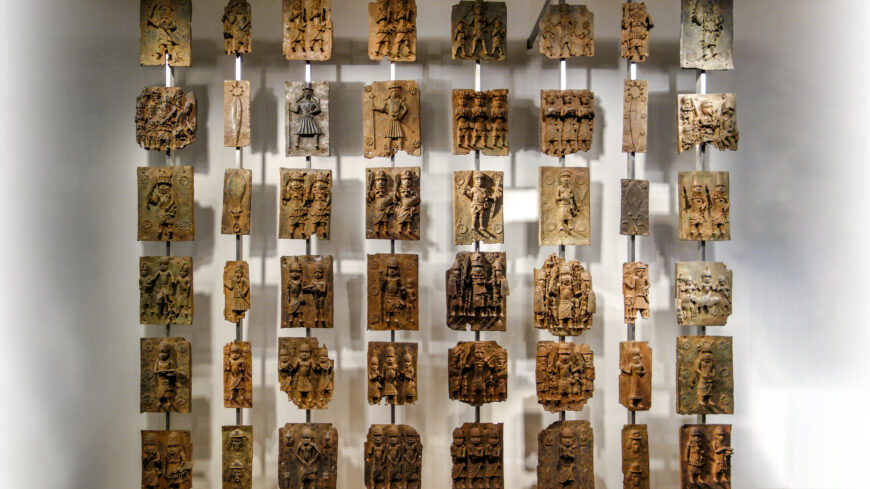 |
Benin Plaques if you wish, here’s more on the looting of the plaques |
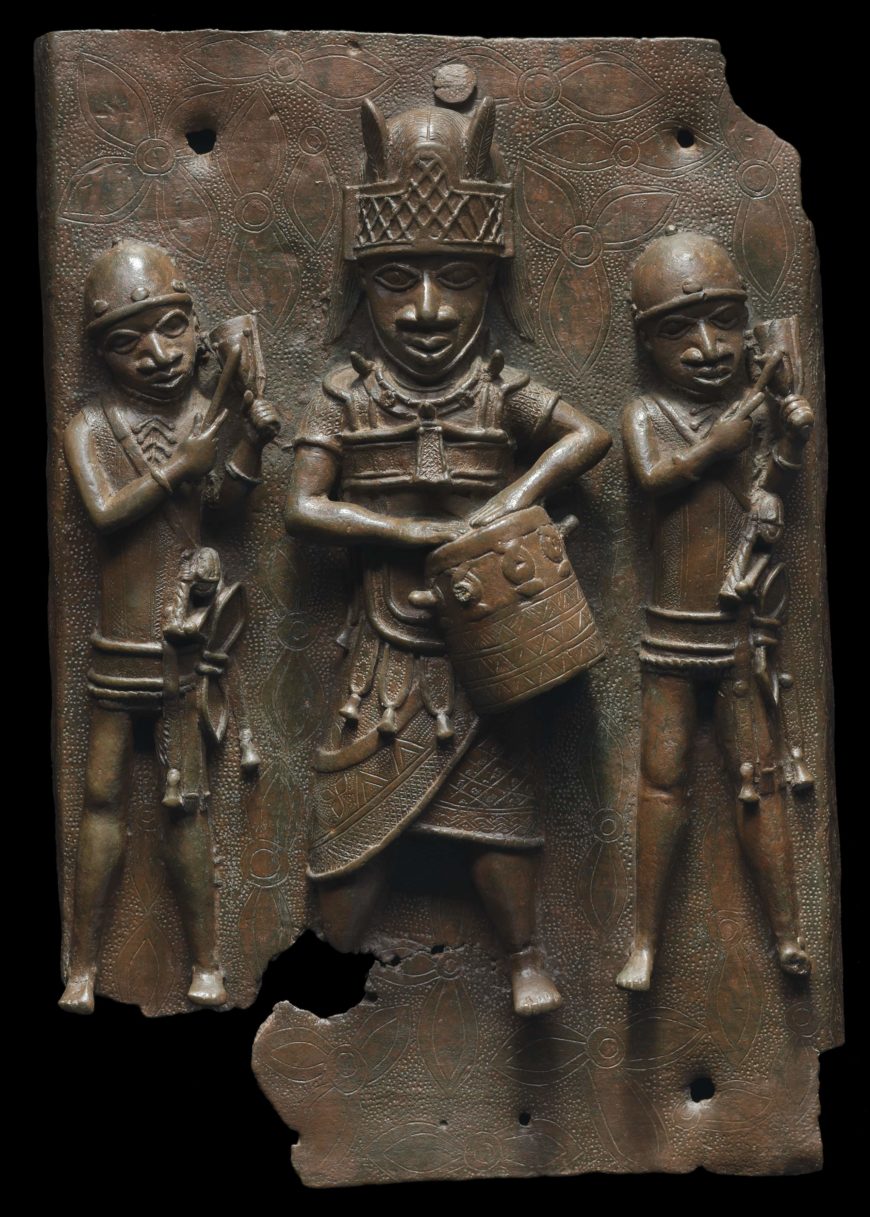 |
Artist Unidentified, Relief plaque showing a dignitary with drum and two attendants striking gongs, c. 1530-1570, copper alloy (Robert Owen Lehman Collection, Courtesy Museum of Fine Arts, Boston) |
 |
Detail of relief plaque showing two officials with raised swords, showing the high relief of the bodies and fully-free swords (photo: Steven Zucker, CC BY-NC-SA 4.0) |
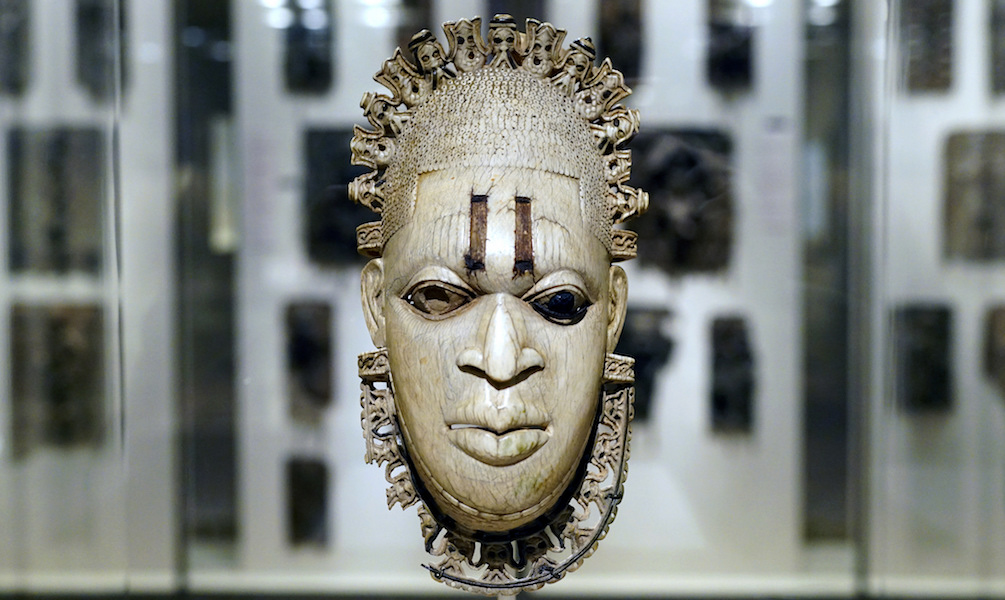 |
| 4. Benin Ivory Mask if you wish, here’s more about the mask) Unknown Artist from the Igbesanmwari workshop, Portrait of Iyoba (Queen) Idiya, Edo People, Kingdom of Benin, 16th c, ivory (would previously have had inlays of coral and metals, 9" tall, now in the British Museum. |
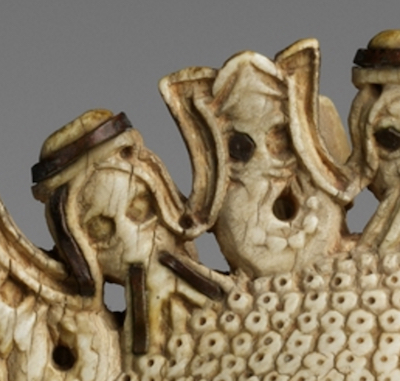 |
| The motifs of the mudfish and Portuguese traders are both "associated with the Oba and his counterpart, the sea god Olokun. The mudfish is a creature that lives both on land and in water, and a symbol of the king’s dual nature as both human and divine. Similarly, the Portuguese, as voyagers from across the sea, may have been seen as denizens of Olokun’s realm. Like the sea god, they brought great wealth and power to the Oba." (from Smarthistory) |
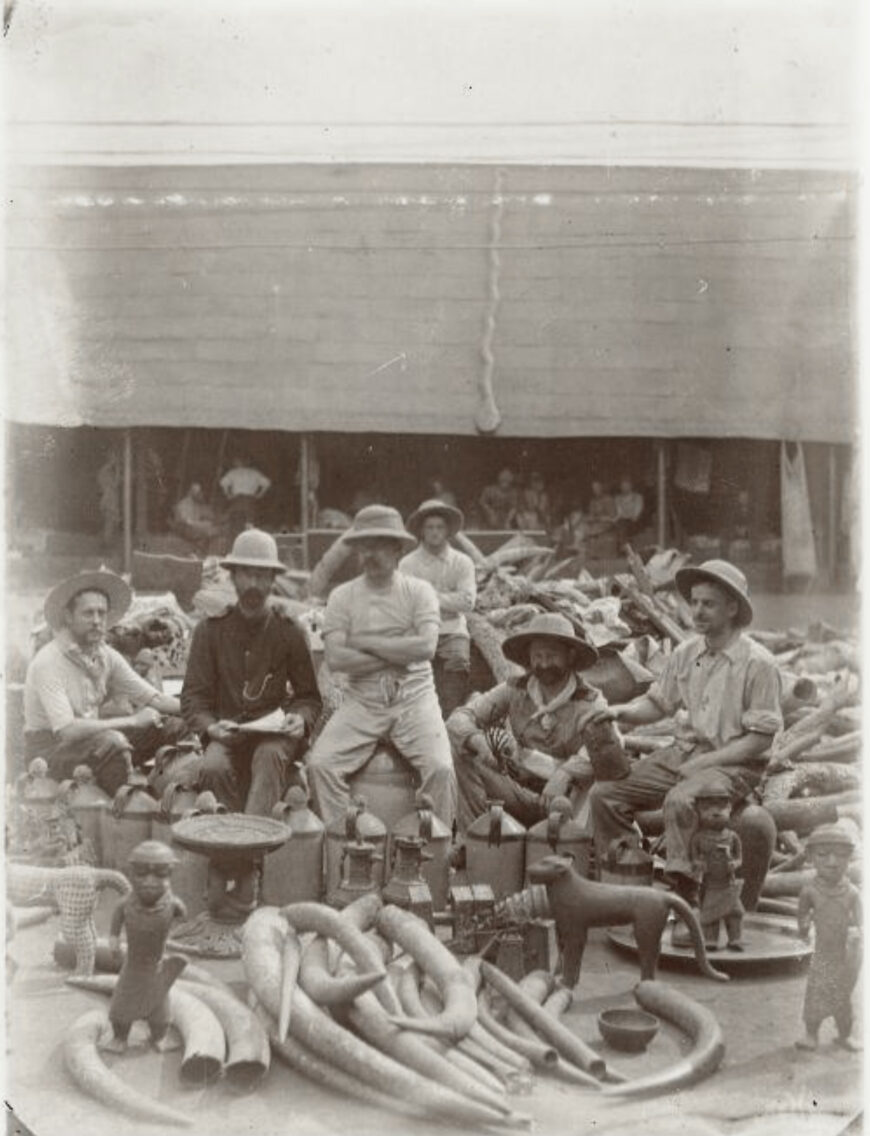 |
| British Soldiers/Looters after the 1897 Punitive Expedition; justified by Phillips Expedition which in turn Phillips justified on Oba Ovonamwen's slowing of trade of certain commodities, including palm kernals which the British wanted for producing oil |
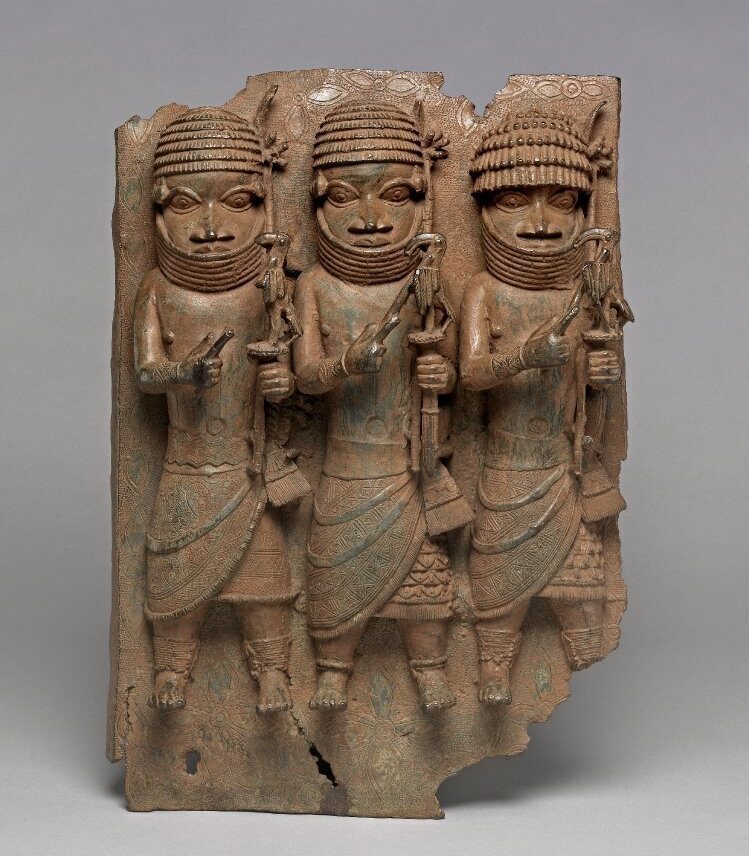 |
| Artist unidentified, Relief plaque, 16th–17th century, Benin City, Nigeria, brass, 18" tall |
Prince Gregory Akenzua, one of the great-grandsons of Oba Ovonramwen, asserts, “[the] artwork can be said to represent the history of the Benin people for centuries. It was taken from us. It was like ripping pages out of our history.” [14]" from Smarthistory

No comments:
Post a Comment