
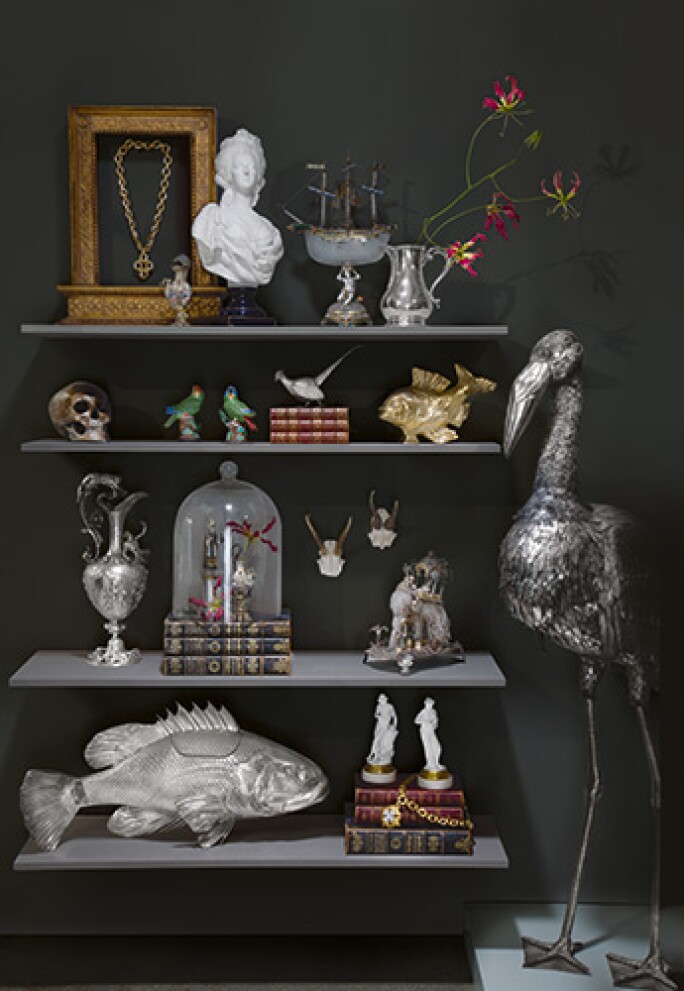
Ficus carica, or, llustrating your Theme Assignment with a fruit that happened to come up on day 1.
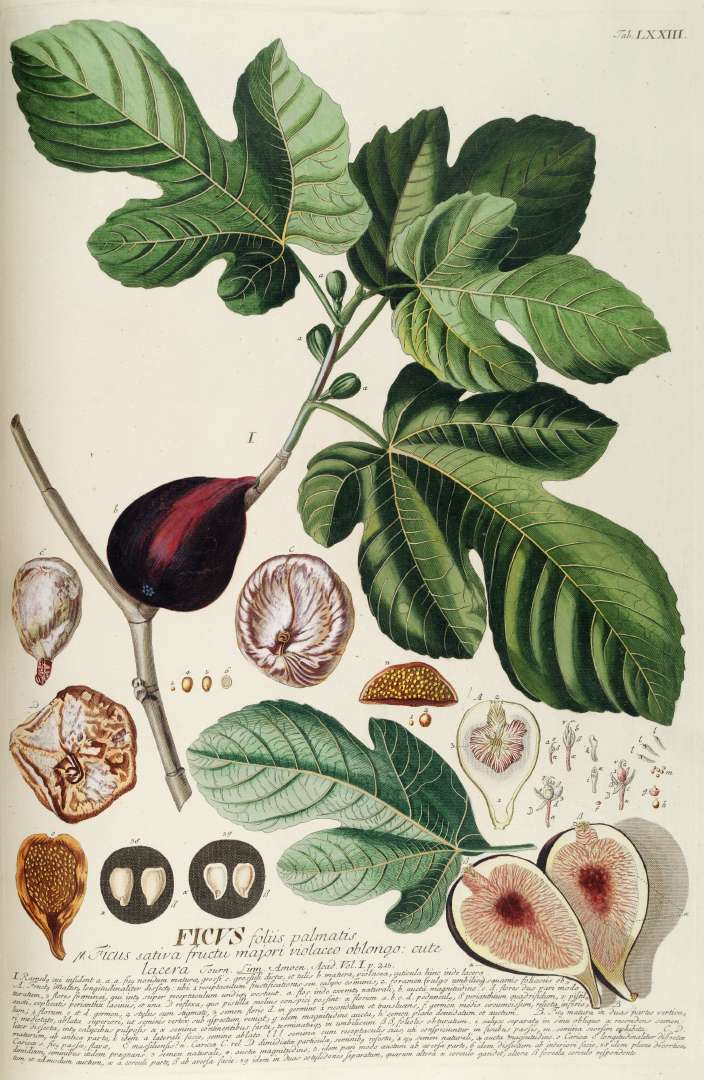 |
| Trew, C.J., Plantae selectae quarum imagines ad exemplaria naturalia Londini, in hortis curiosorum nutrit, vol. 8: t. 73 (1771), drawing by G.D. Ehret Source: wikipedia. Art or not art? |
 |
| Clara Peeters, Mesa, Flemish, 1611 (seventeenth century still life), oil on panel, ~ 20" x 29" |
I was well aware that the fig appeared in a lot of mediterranean art, and had loved on some flemish still lives with dried figs.... which offers some clues into trade, wealth, diet, desire, and representation (and probably much more that I need to think about and research.
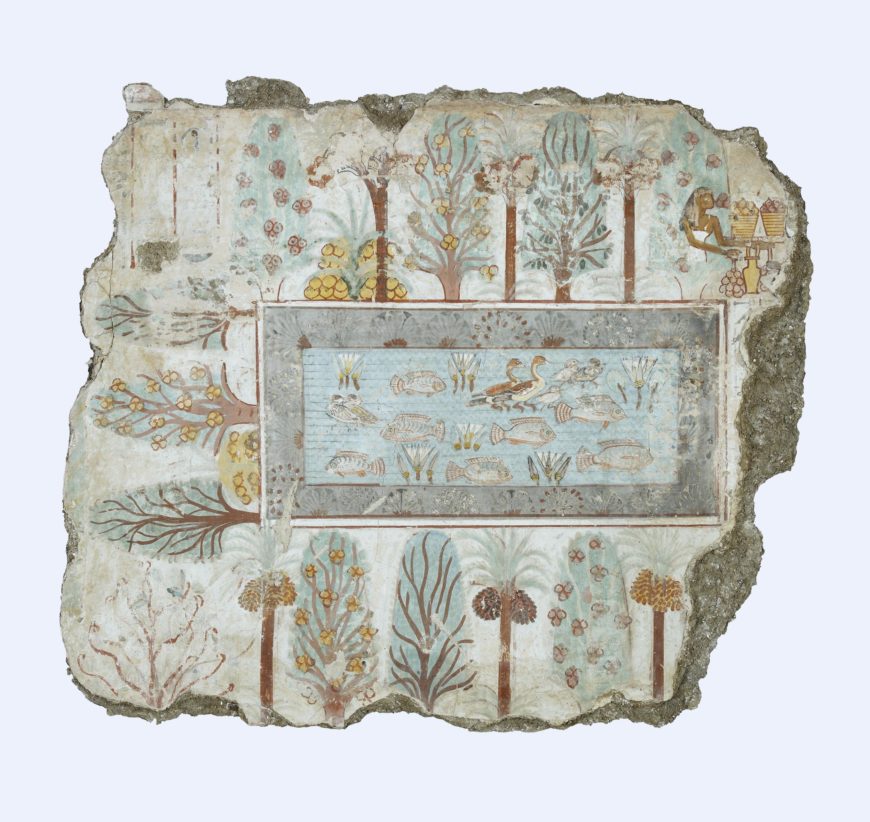 |
| Nebamun’s garden, Tomb-chapel of Nebamun, c.1350 B.C.E., 18th Dynasty, paint on plaster, 64 cm high, Thebes, Egypt © Trustees of the British Museum |
In Islam
Sura 95, "the Fig" in the Qur'an, opens with an oath on the fig,
"In the name of God, the Gracious, the Merciful.
By the fig and the olive.
And Mount Sinai.
And this safe land.
We created man in the best design.
Then reduced him to the lowest of the low.
Except those who believe and do righteous deeds; for them is a reward without end.
So why do you still reject the religion?
Is God not the Wisest of the wise?
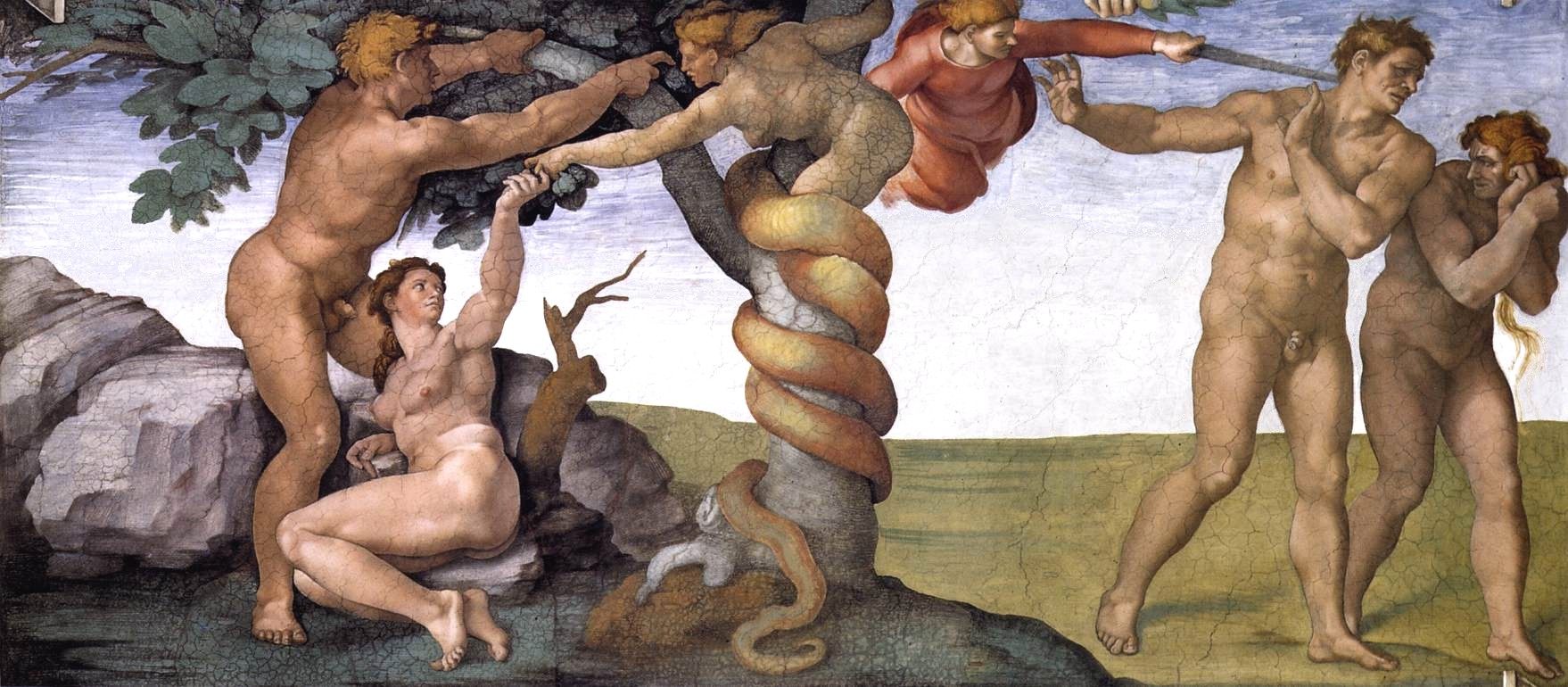
In Judaism and Christianity, well, what did Eve and Adam do to after eating from the tree of knowledge (which some figure as a fig) We could go on at length here.... figs in Christian art.... what do you know or can you guess?
| Artist unknown, "The Monkey Escapes to the Safety of the Fig Tree", illustration from a book of fables, Kalila wa Dimna, traced to a late medieval Islamic kingdom in India, the Sultanate Gudjarat. |
Hildegard of Bingen freely prescribes figs for the infirm, but restricts their consumption by the healthy. The warning she appends to her discussion may derive from the fig’s association with temptation and sin in the Christian Middle Ages:
The fruit of this tree is not good for a person who is physically healthy to eat, since it affords him pleasure and gives him a swelled mind. He will seek honors and tend toward greed, and will have changeable morals, so that he does not remain in one state of mind. . . . It irritates his humors to evil, as if it were their enemy. . . . If a healthy person wishes to eat it, he should first soak it in wine or vinegar, so that its inconstancy is tempered. He should then eat it, but in moderation. (Physica, XIV)
(For more information on Hildegard of Bingen and Physica, see “Mutter Natur,” October 10, 2010.)
 |
| Peter Paul Rubens, Romulus and Remus, (whom farmers found under a fig tree), 1615-1616, oil on canvas, (83 in × 83 in) Location Pinacoteca Capitolina, Rome |

 |
| Pierre Bonnard, Plate of Figs, ~1923 |

No comments:
Post a Comment