The Art and Artists of the Italian Renaissance 1400-1700
Next-- we dive into the Italian Rennaissance. It's impossible to know too much about this time because that time and place established:
what art history is
the definitions of art, artists, modernism, and illusionism that we rely on today,
classical compositional forms, which define the ways people study in conservatories,
the foundations of how we look at and talk about painting, sculpture, and architecture,
a set of works and ideas that govern many people's definition of excellence today, and more.
There are three introductory essays that will set up our discussion of Renaissance Art in Italy on Sept. 10, 14, and 17. So you have a lot of reading for the 10th but very little for the 14th and 17th.
You might consider reading straight through them for the 10th, then go back to skim aspects parts you want to remember in preparation for the 14th and 17th.
Then, I assign each of you two key works to study in preparation to share your learning about them on the 14th and 17th. Please be ready with those on the 14th. If Smarthistory links take you to a video, note that there are dropdown menus at the bottom of the post that offers a transcript, artwork facts, and lots of photos. You can choose to look for the works in museum sites, books in our library, art historical materials online, and more-- in other words you don't have to use the sites I suggest. I will insert links for everyone later this weekend, but you're welcome to just go ahead and search on your own if you're ready to embark.
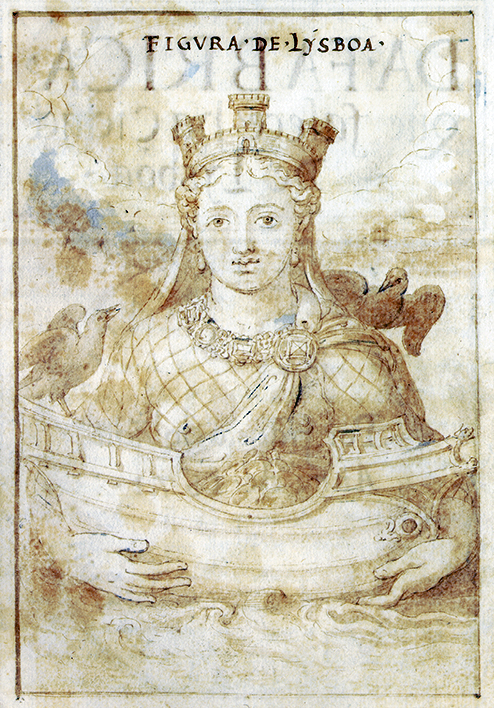
Francisco de Holanda, Allegorical Image of Lisbon, 1571, pencil on paper, in Francisco de Holanda, A Fábrica que Falece à Cidade de Lisboa (1572)
Portugal, Iberian Peninsula, Europe 1400-1800, Benin, West Africa 1400-20th c., England, Great Britain, Europe, late 19th & early 20th c
Portuguese Empire; Portugal and Age of Discovery? Age of Enlightenment? Colonial Period?
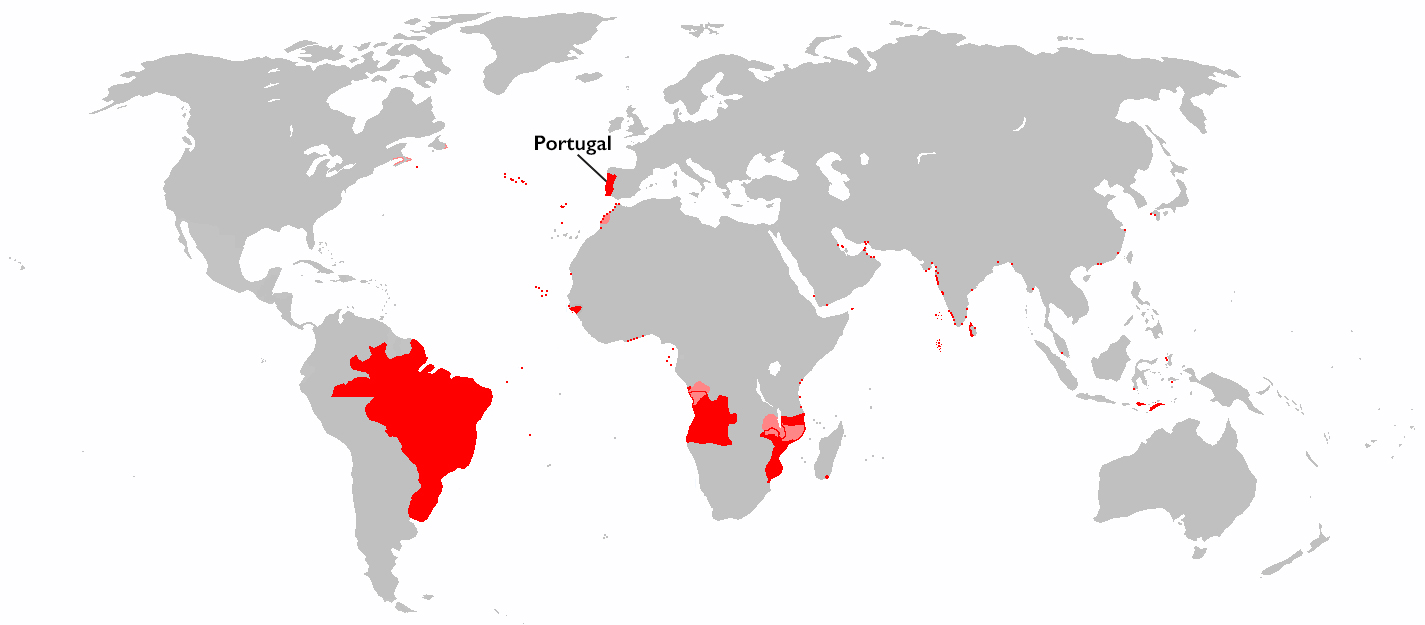
What do you notice about the map below?
Map Source: wikipedia
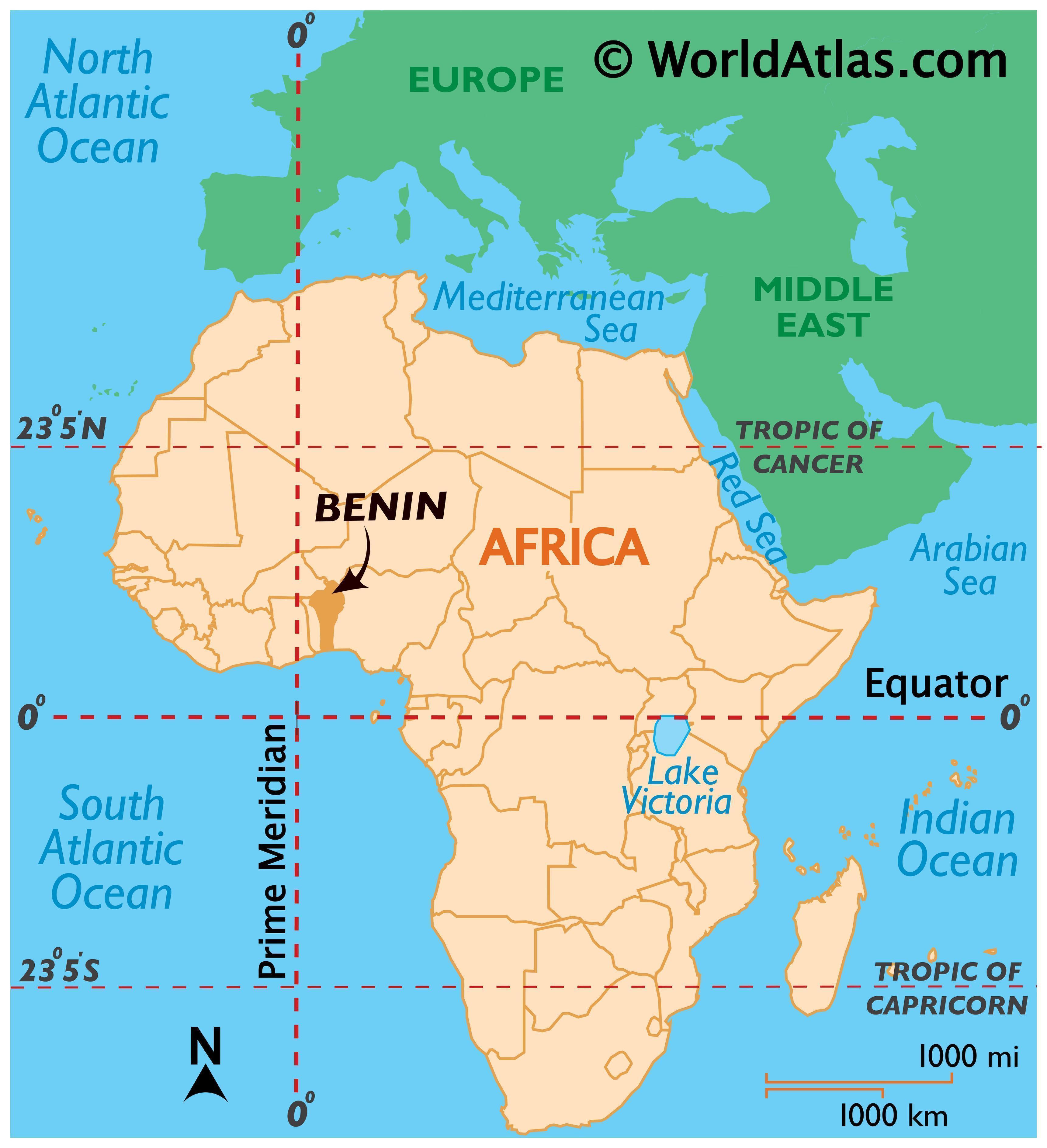
Portugal is about the size of Maine or Indiana. Benin is about 3x as large (112,000 sq miles compared to 35,000) and is about the size of Ohio or Pennsylvania. (NC is about 53,000 sq miles.)
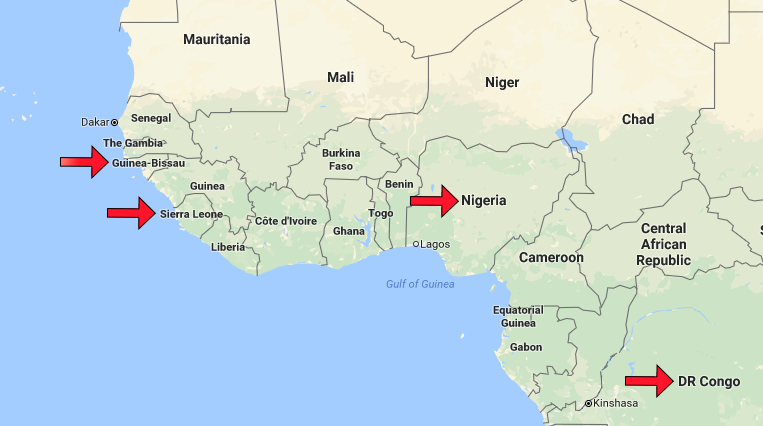
What do you notice about the map below?
Benin locator- c. 16th-17th c
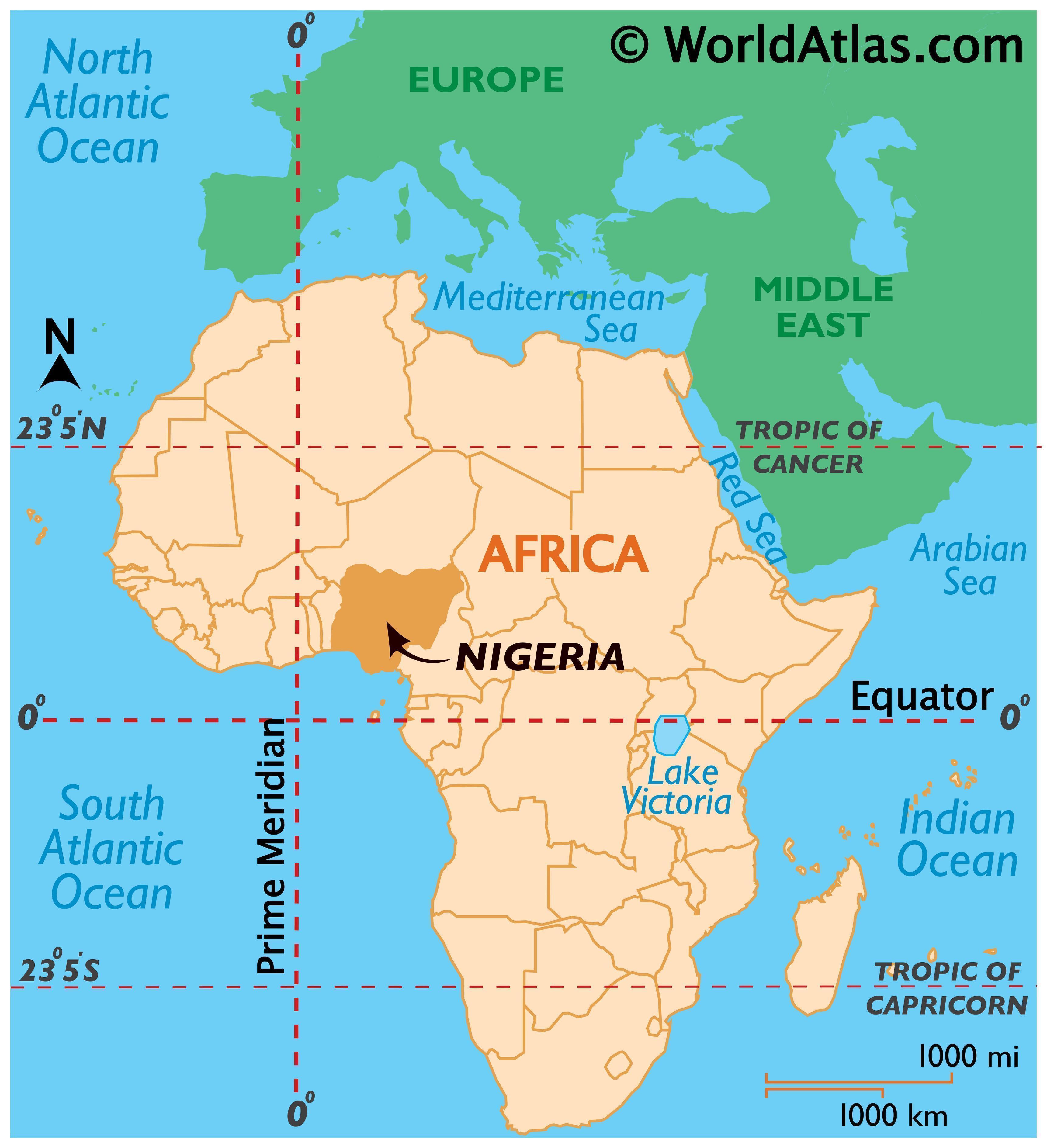
What do you notice about oceans?
Nigeria locator-- historic Kingdom of Benin is inside present-day Nigeria. Tezas is about 36% smaller than Nigeria. US is 11 x larger than Nigeria.
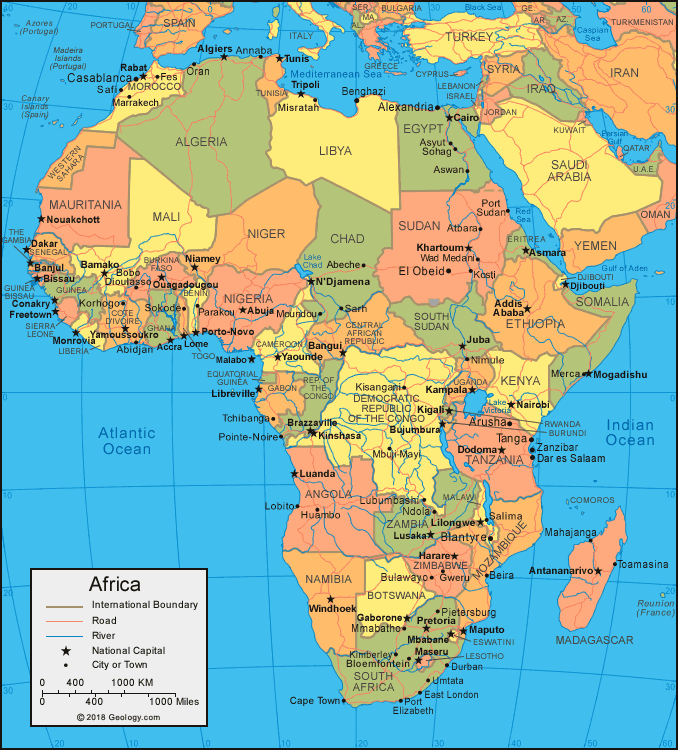
Current Political Map of Africa
Map of the greatest extent of the portuguese empire
map of greatest extent of british empire
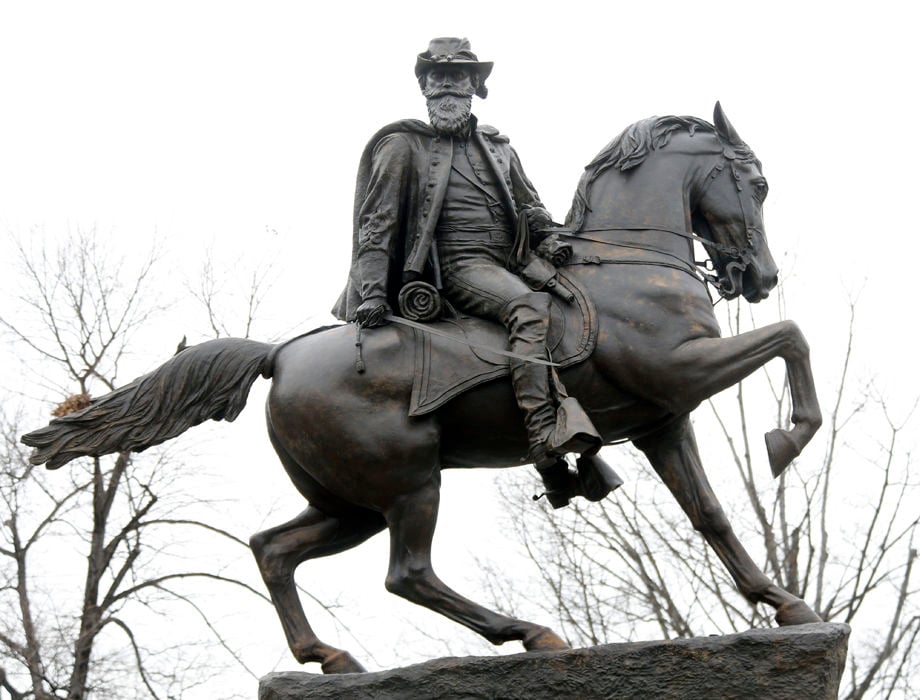
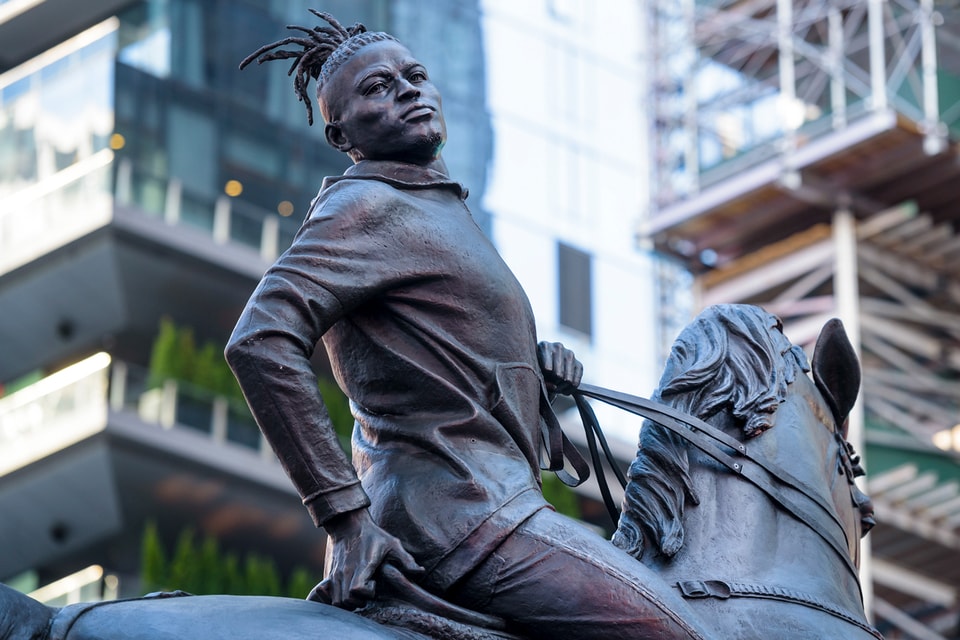
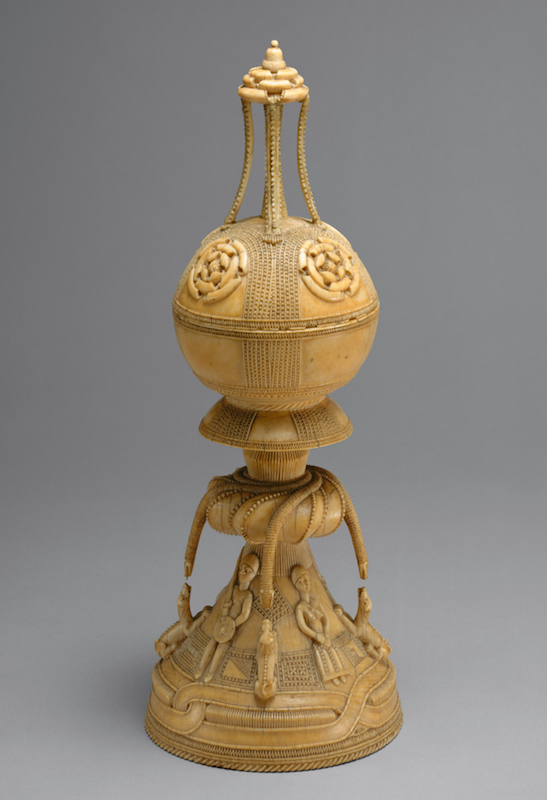
Noticing: scribble indiv, then share regarding the sculpture or statue below:
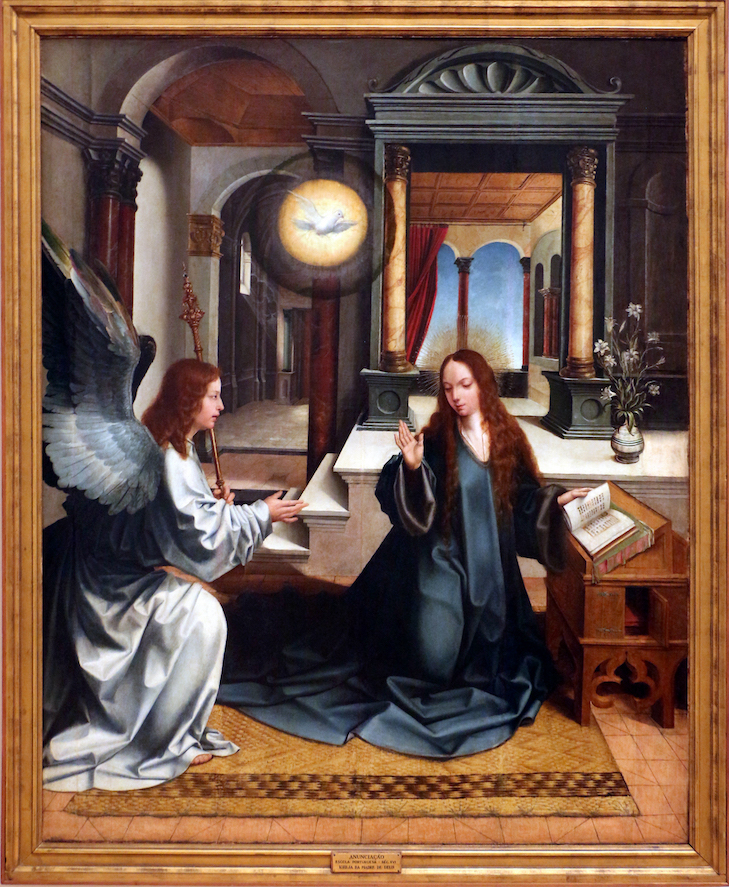
When Portuguese merchants or consumers were interacting with artists in other continents, who was making decisions about an artwork’s materials, iconography, and design?
Who would have been viewing and using an artwork or architectural structure? How would different audiences have understood the objects?
Attributed to Jorge Afonso’s workshop, Annunciation, 1515, oil on panel (Museu Nacional de Arte Antiga, Lisbon)
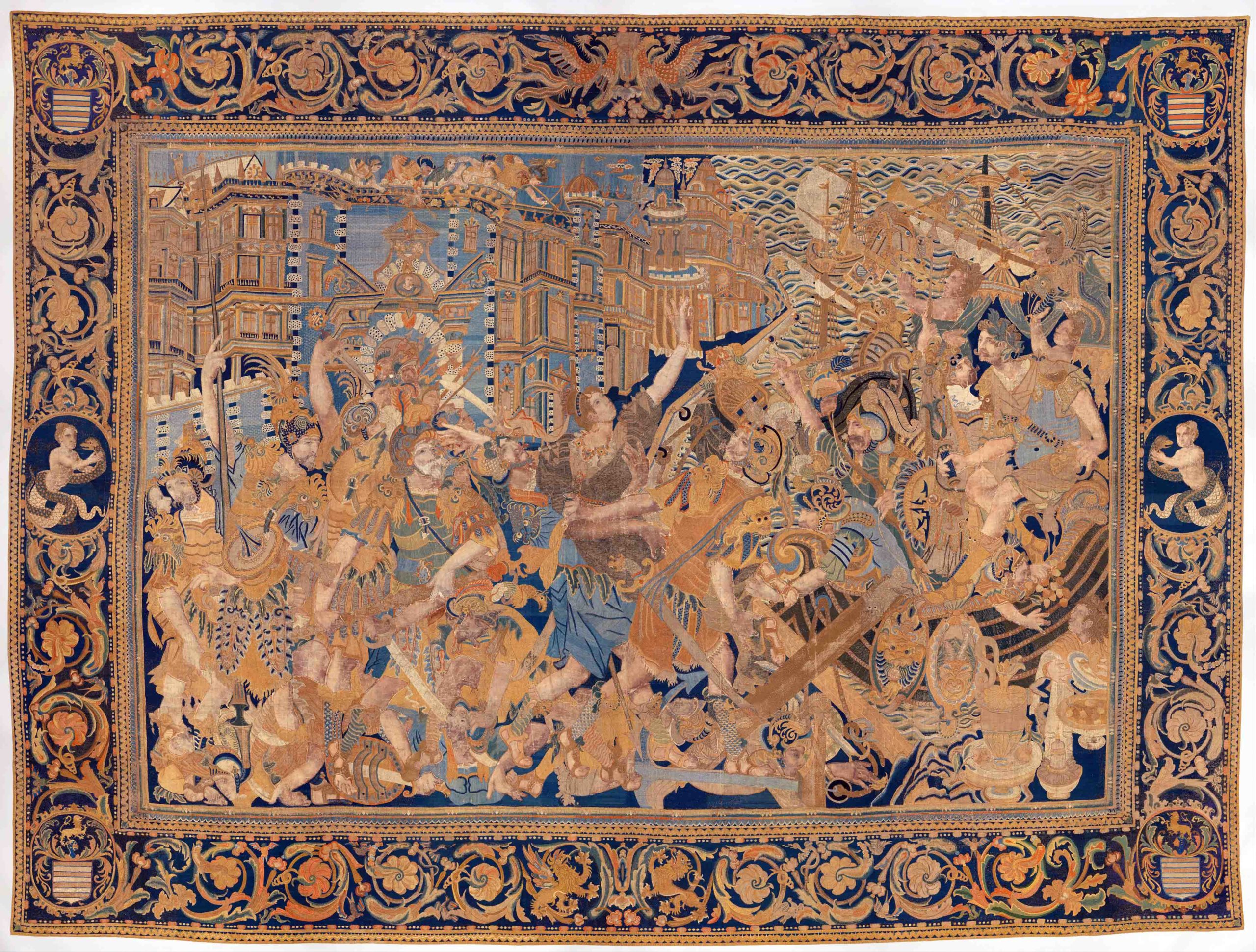
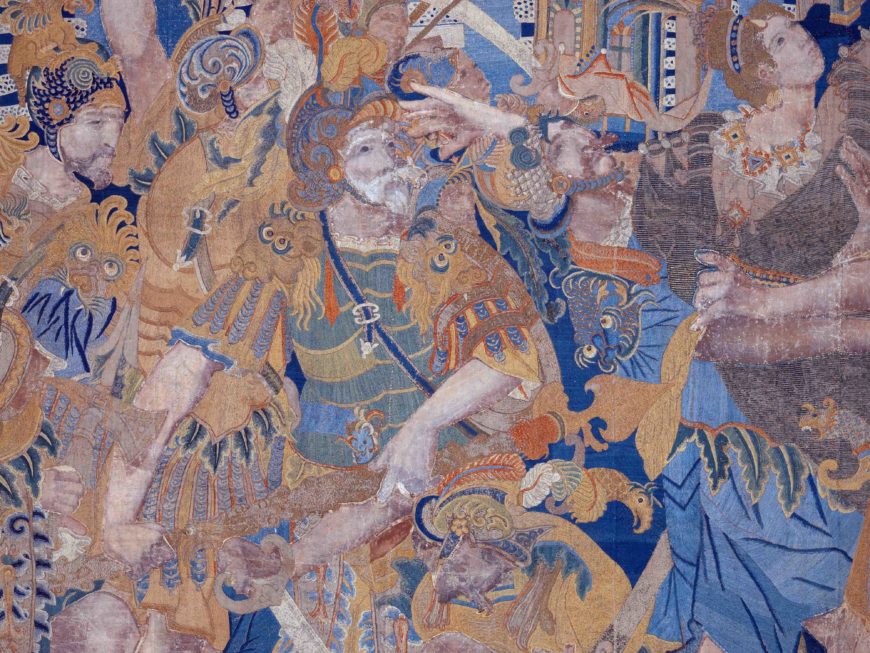
A tapestry made in China for the Portuguese market that shows a scene from the story of Troy. The Abduction of Helen, from a set of the story of Troy, first half of the 17th century, cotton, embroidered with silk and gilt-paper-wrapped thread, pigment, from China, for the Portuguese market 3.6 x 4.8 m (The Metropolitan Museum of Art)
Detail of Menelaus, The Abduction of Helen, from a set of the story of Troy, first half of the 17th century, cotton, embroidered with silk and gilt-paper-wrapped thread, pigment, from China, for the Portuguese market 3.6 x 4.8 m (The Metropolitan Museum of Art)
What else was going on in the world? 1st half of 17th c-- early 1600's
In China?
In Benin?
In Portugal?
In USA?
In Italy?
What does the tapestry tell us about cultural entanglements?
"Like the overlapping, twisting bodies of the warriors that are challenging to make out on the tapestry, so too is it difficult to categorize this tapestry by place, style, or artists. Is it renaissance or baroque art? Chinese art? On a site like Smarthistory, where do we locate this tapestry? Transcultural objects will continue to push art historians to rethink how we categorize art, especially since most of those categories were developed without complex, culturally entangled works like the Abduction of Helen in mind."
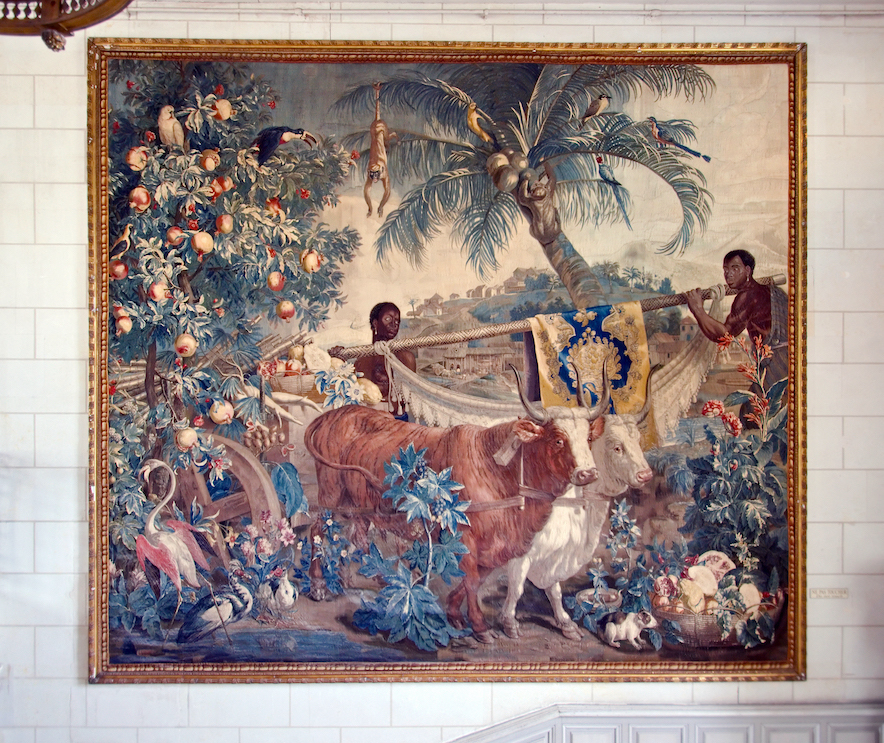
How can active description of form and content in the image below build understanding of cultural entanglements? How do they help build understanding of the questions raised by the text? When Portuguese merchants or consumers were interacting with artists in other continents, who was making decisions about an artwork’s materials, iconography, and design? Who would have been viewing and using an artwork or architectural structure? How would different audiences have understood the objects?
Desportes Alexandre François (designer), Gobelin Workshop (weavers), after cartoons by Albert Eckhout and Frans Post, “The two bulls,” c. 1734, tapestry, Château de Valençay (photo: Frédéric Bisson, CC BY 2.0)
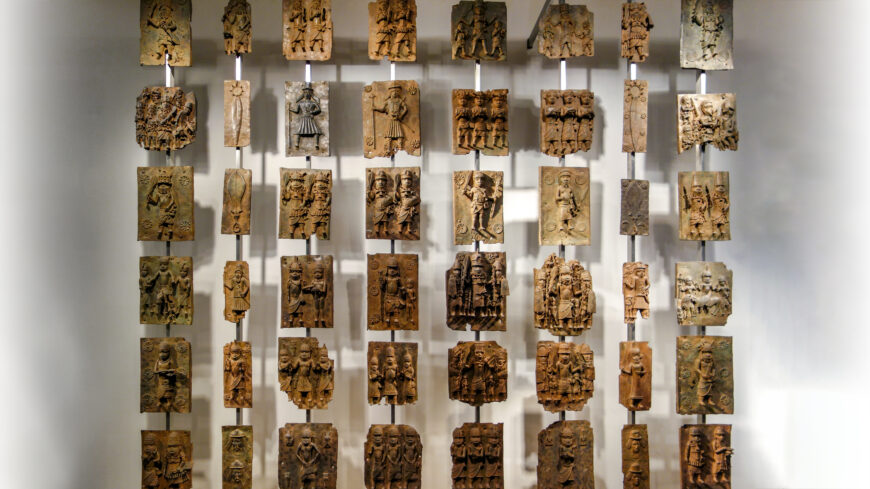
Mudfish Plaque, Benin Kingdom, present-day Nigeria, Edo People, 16th-17th centuryRelief plaque, lost-wax cast in brass.
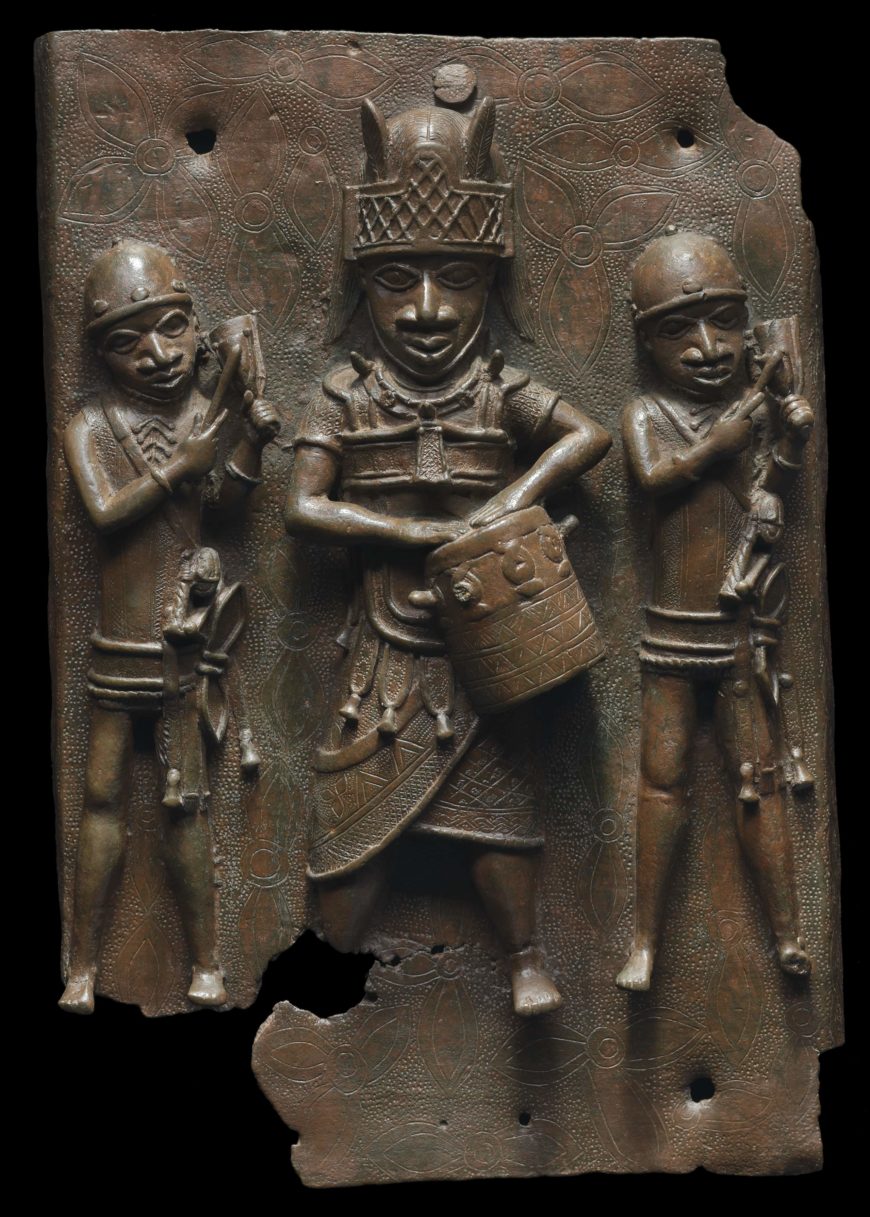
Artist Unidentified, Relief plaque showing a dignitary with drum and two attendants striking gongs, c. 1530-1570, copper alloy (Robert Owen Lehman Collection, Courtesy Museum of Fine Arts, Boston)
Detail of relief plaque showing two officials with raised swords, showing the high relief of the bodies and fully-free swords (photo: Steven Zucker, CC BY-NC-SA 4.0)
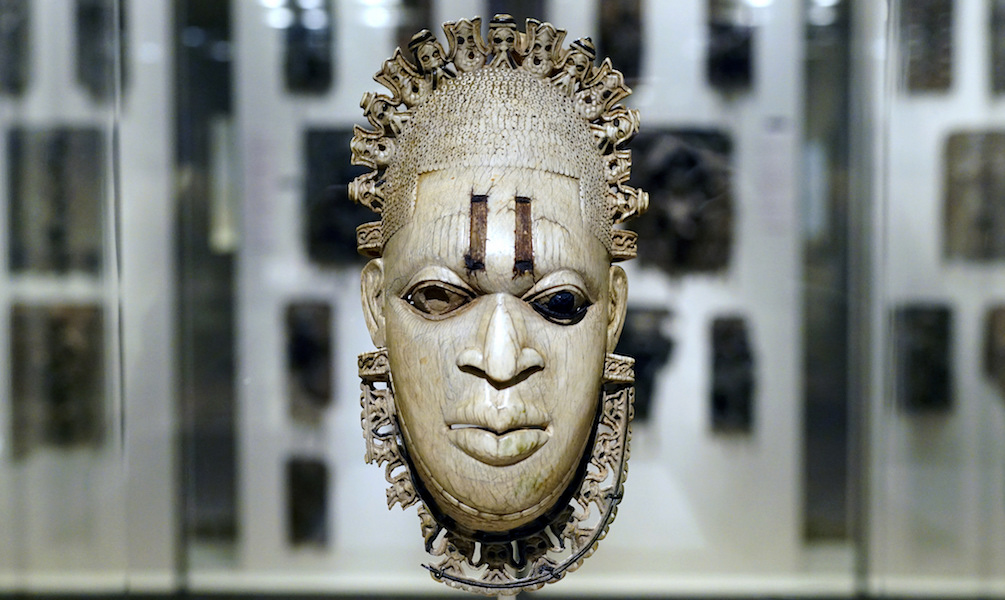
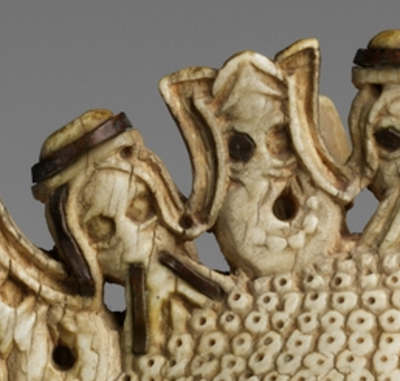
4. Benin Ivory Mask if you wish, here’s more about the mask)
Unknown Artist from the Igbesanmwari workshop, Portrait of Iyoba (Queen) Idiya, Edo People, Kingdom of Benin, 16th c, ivory (would previously have had inlays of coral and metals, 9" tall, now in the British Museum.
The motifs of the mudfish and Portuguese traders are both "associated with the Oba and his counterpart, the sea god Olokun. The mudfish is a creature that lives both on land and in water, and a symbol of the king’s dual nature as both human and divine. Similarly, the Portuguese, as voyagers from across the sea, may have been seen as denizens of Olokun’s realm. Like the sea god, they brought great wealth and power to the Oba." (from Smarthistory)
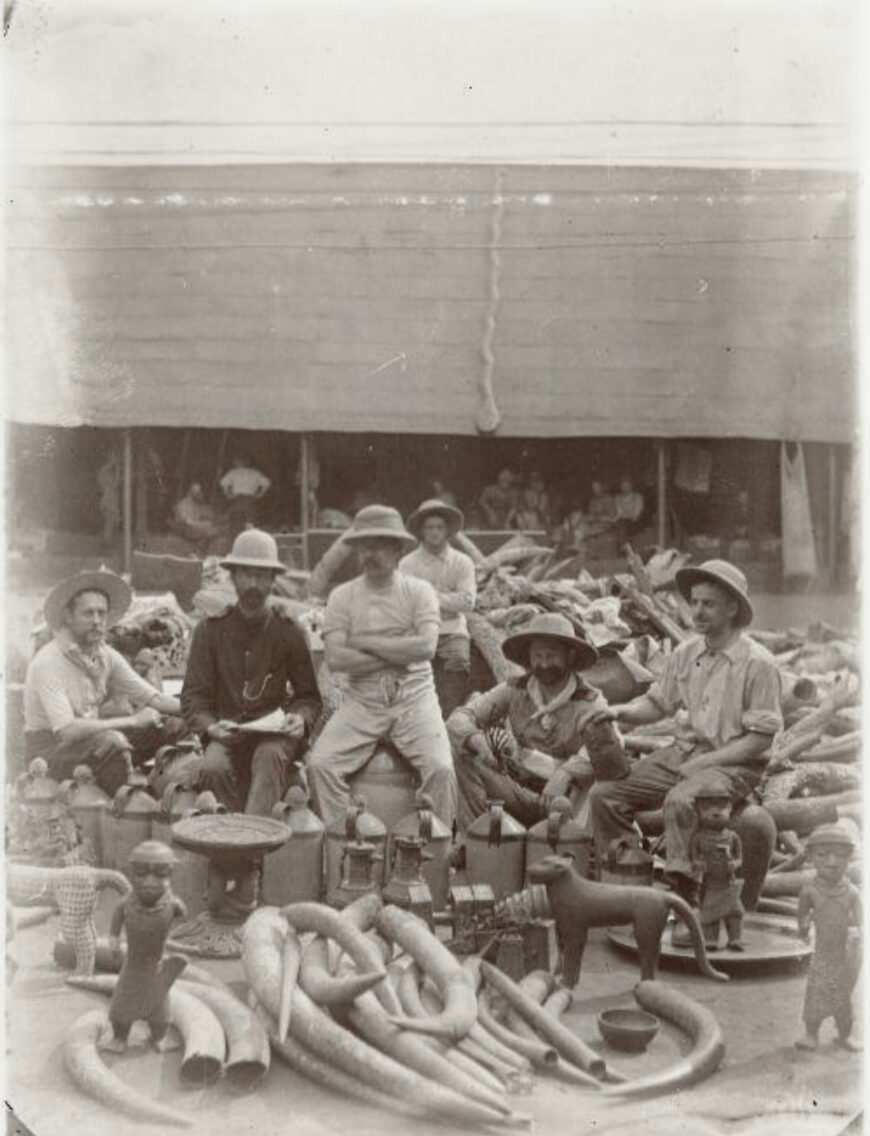
British Soldiers/Looters after the 1897 Punitive Expedition; justified by Phillips Expedition which in turn Phillips justified on Oba Ovonamwen's slowing of trade of certain commodities, including palm kernals which the British wanted for producing oil
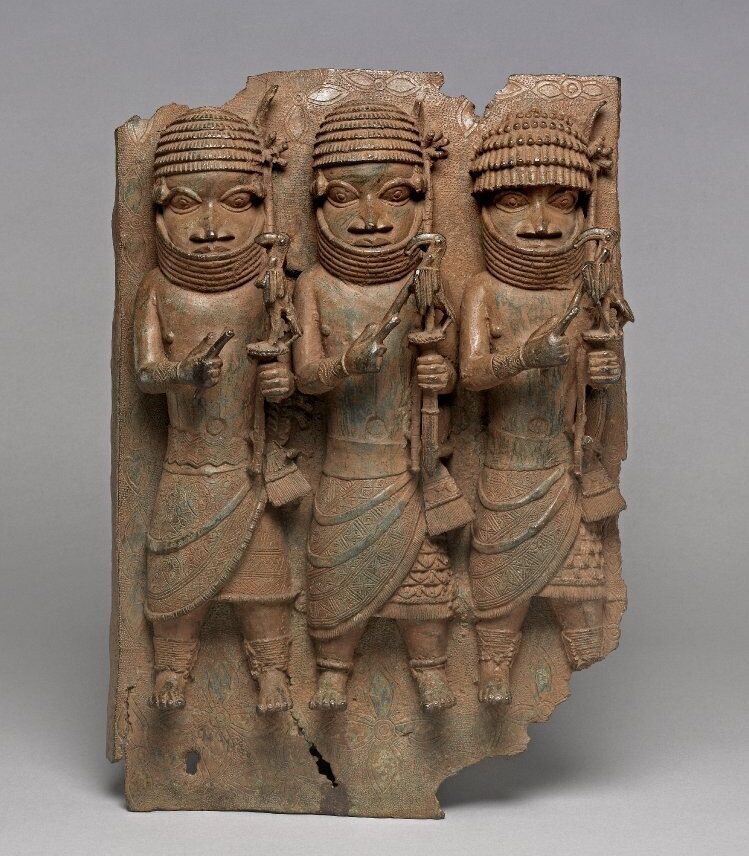
Artist unidentified, Relief plaque, 16th–17th century, Benin City, Nigeria, brass, 18" tall
"Calls for the return of the Benin “Bronzes” have been issued since 1936, whenOba Akenzua IImade the first formal request to the British Museum. G.M. Miller instructed the British Museum to return to Oba Akenzua II three items that he had loaned previously: “two coral crowns and a coral bead garment.” [12] Today, museums, galleries, and other institutions that have Benin “Bronzes” in their collections are grappling with what to do with them in the face of mounting diplomatic pressures, especially within the last decade, torepatriateorrestitutethem. Dan Hicks, who is working to return the Benin “Bronzes” in the Pitt Rivers Museum, makes clear, “the arrival of loot into the hands of western curators, its continued display in our museums and its hiding-away in private collections, is not some art-historical incident of ‘reception’, but an enduring brutality that is refreshed every day that an anthropology museum like the Pitt Rivers opens its doors.” [13]
Prince Gregory Akenzua, one of the great-grandsons of Oba Ovonramwen, asserts, “[the] artwork can be said to represent the history of the Benin people for centuries. It was taken from us. It was like ripping pages out of our history.” [14]" from Smarthistory
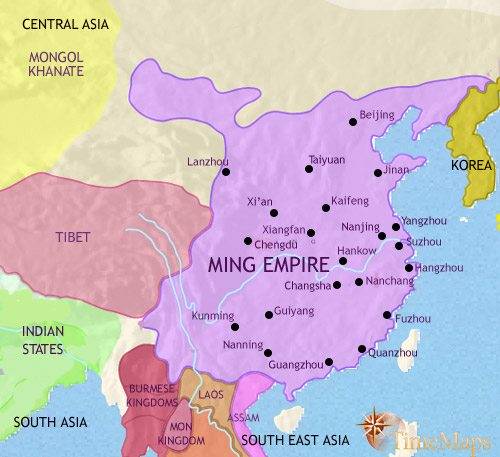
In the centuries before Qing Rule, the Ming Dynasty controlled China for three centuries from 1368-1644, having taken over after the a series of natural disasters unsettled the particularly brutal Yuan Dynasty of Mongolian decent. That destabilization made it possible for Zhu Yuanzhang to lead an overthrow of the Yuan. Zhu was the only emperor of China with peasant roots. The dynasty he established, remained in power for 276 years.
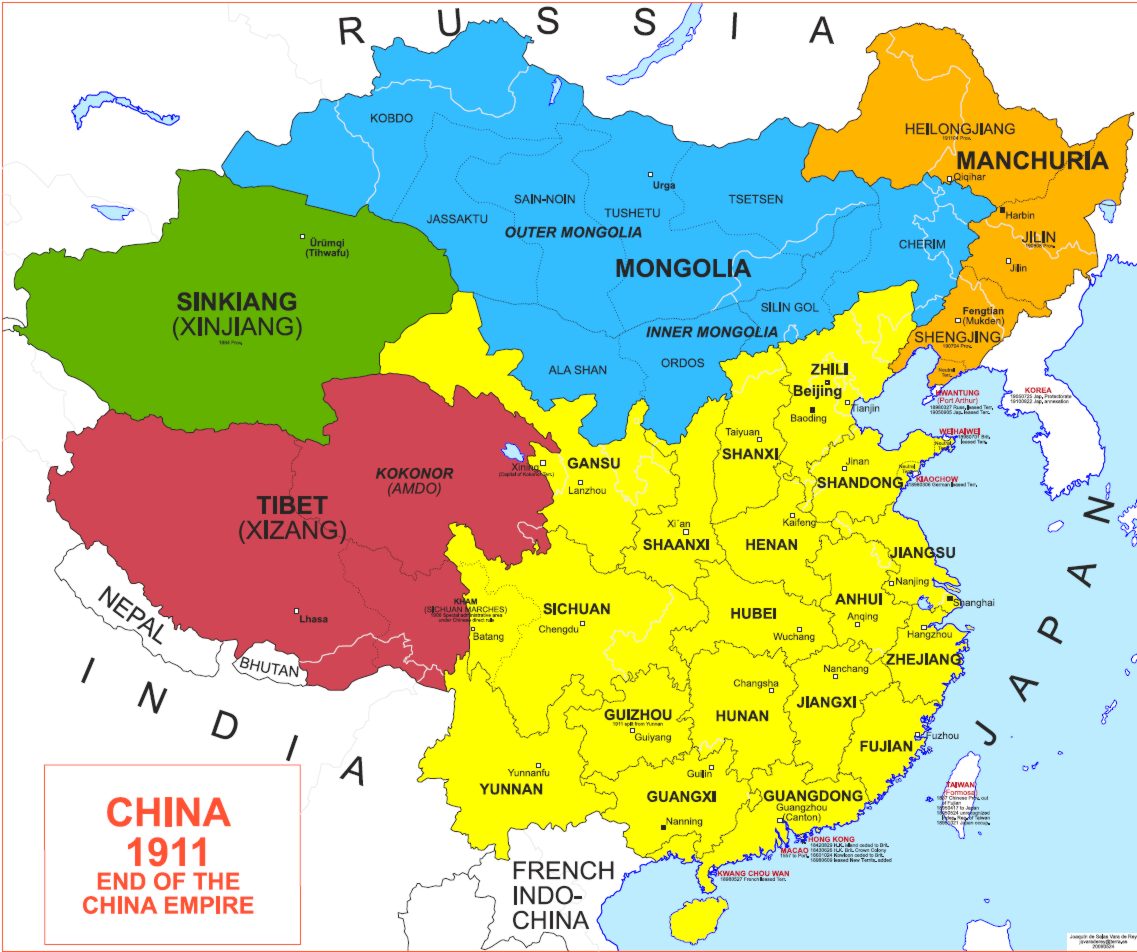
In the 1620's and 30's, a China wracked by peasant uprisings set off a new period of instability which allowed Manchu invaders from the northeast to raid China and take power following a violent transition. The Manchus established the Qing Dynasty which remained in power for almost 300 stable, prosperous years marked by robust artistic productivity which ended with the foundation of the Chinese Republic in 1912.
From Reframing Art History:
Key questions to guide your reading
How did the Manchu court use art to convey power in a multiethnic empire?
How did the arts of Qing China respond to the arts in other world areas, such as Europe?
Which aesthetic traditions did artists engage with in the Jiangnan region?
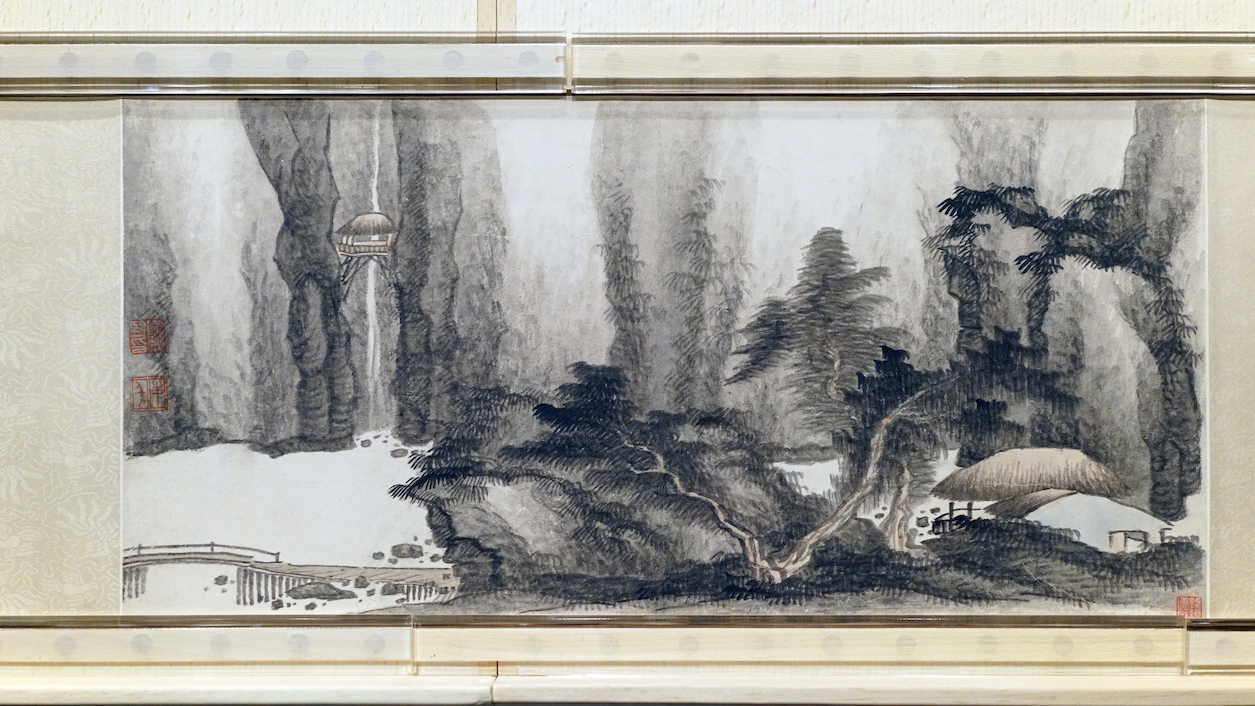
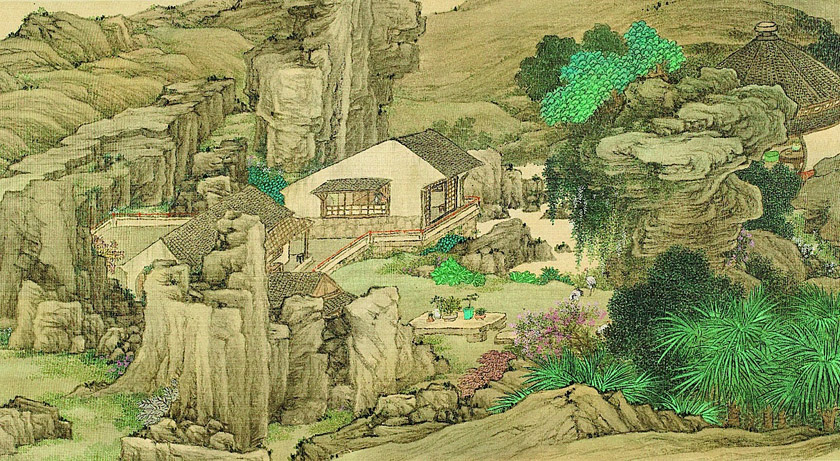
Gong Xian, one album leaf from Eight Views of Landscape, 1684, Qing Dynasty, handscroll, ink on paper (Shanghai Museum)
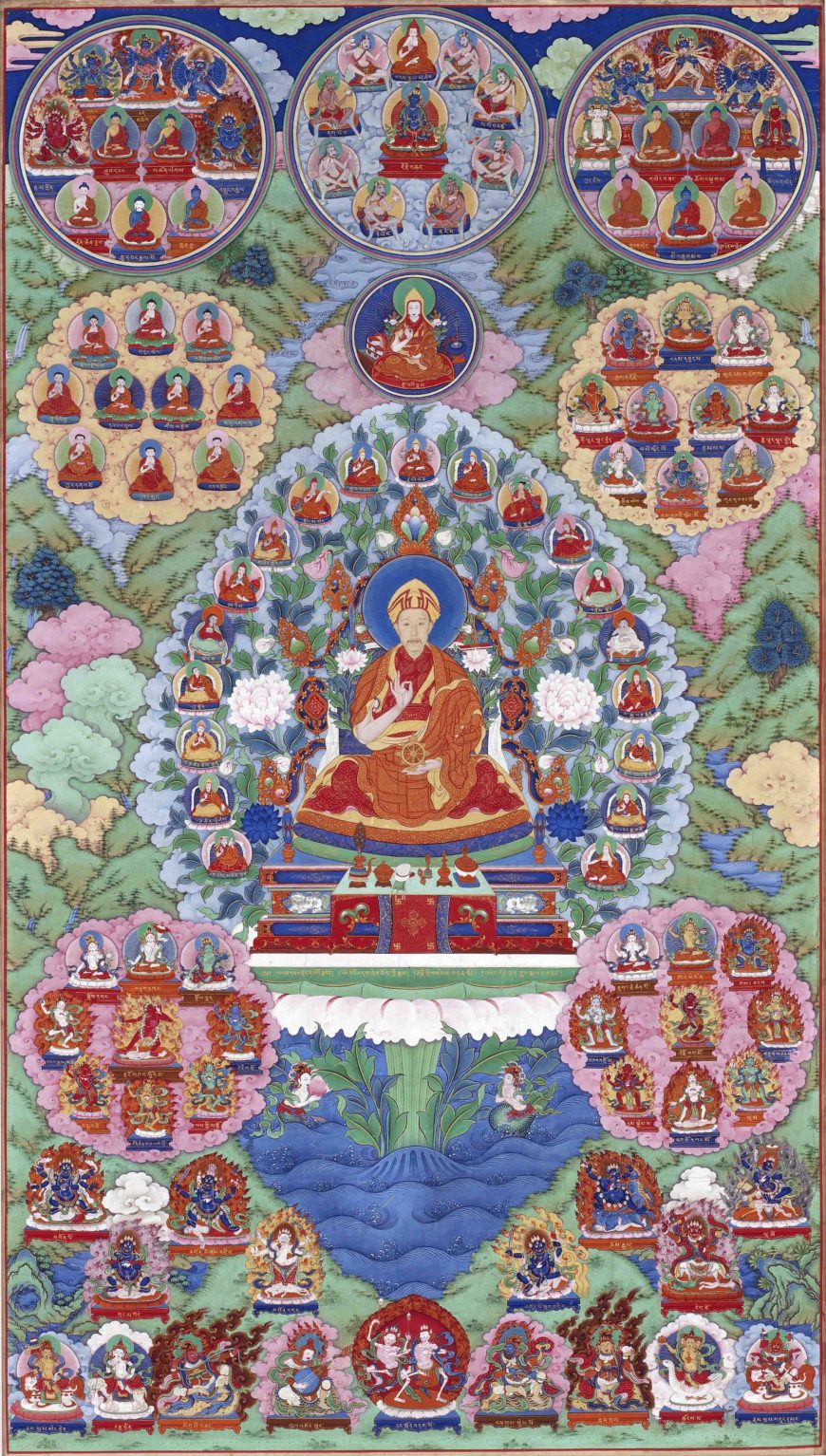
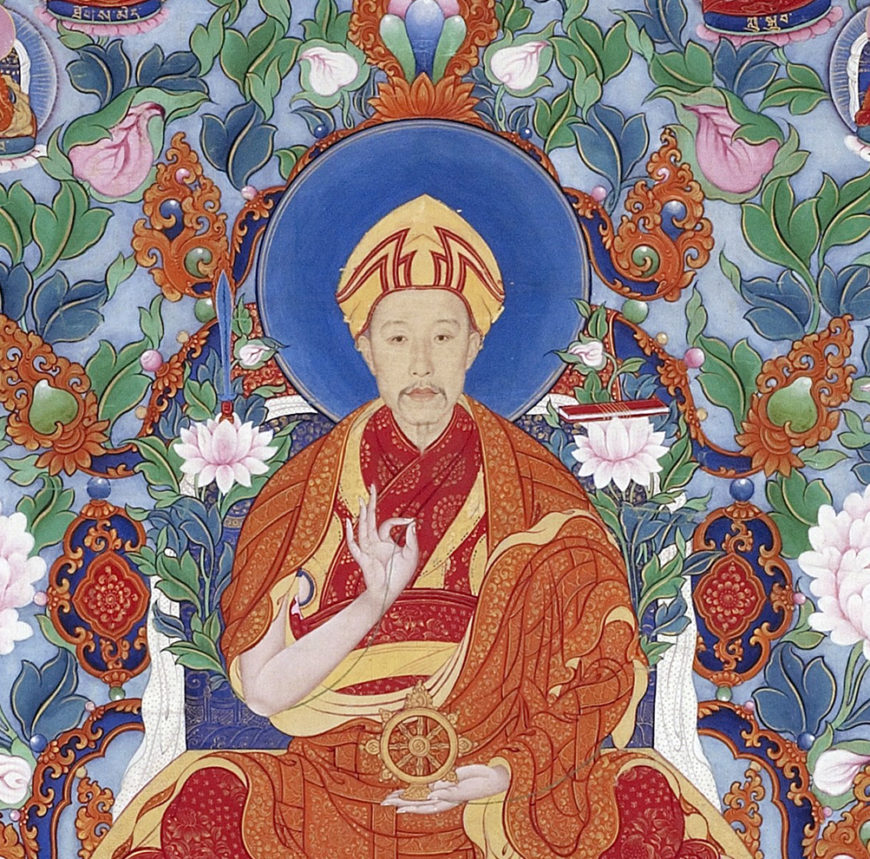
Imperial workshop, with emperor’s face by Giuseppe Castiglione, The Qianlong Emperor as Manjushri, the Bodhisattva of Wisdom, mid-18th century (Qing dynasty, Qianlong reign, China), ink, color, and gold on silk, 113.6 x 64.3 cm (Freer Gallery of Art, Smithsonian Institution, Washington, D.C.: Purchase—Charles Lang Freer Endowment and funds provided by an anonymous donor, F2000.4)
Mosaic of Christ Pantocrator in the Hagia Sophia, Istanbul. 1261
Emperor’s face painted by Giuseppe Castiglione (1688–1766) Imperial workshop, The Qianlong Emperor as Manjushri, the Bodhisattva of Wisdom, Qing dynasty, Qianlong reign, mid-18th century, ink, color, and gold on silk, China, 113.6 x 64.3 cm (see description of this painting on smarthistory)
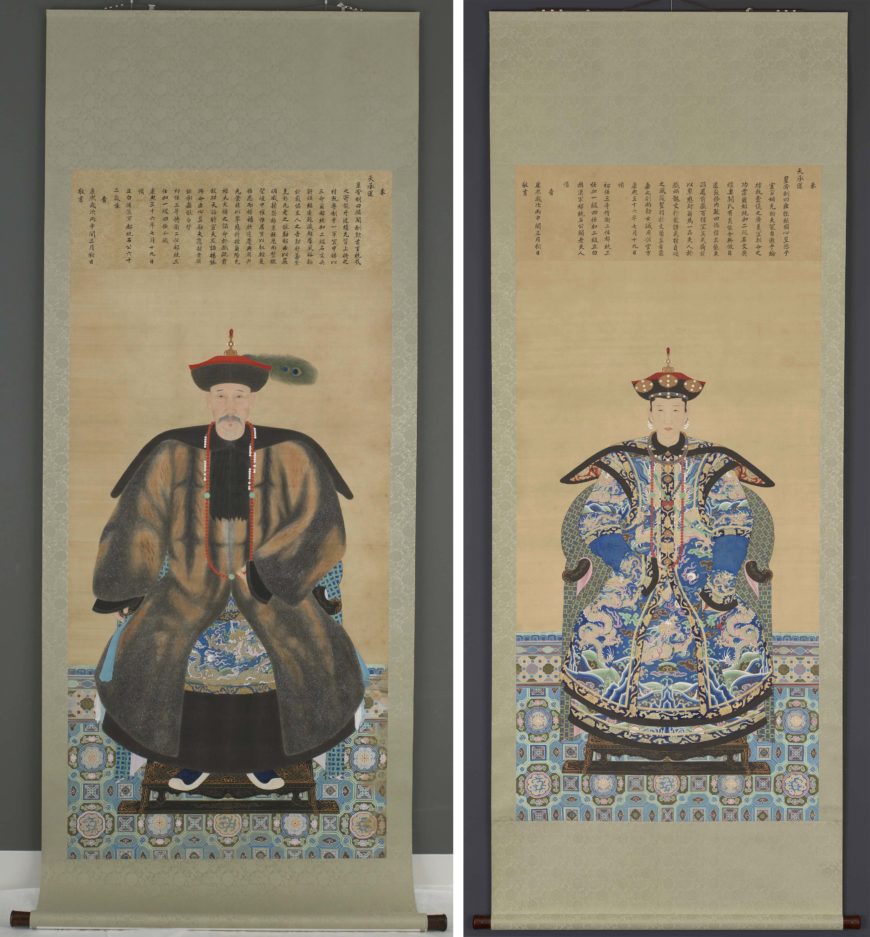
Left: Portrait of Shi Wenying, Qing dynasty, 1644–1911, ink and colors on silk, China, 210.9 x 113.7 cm (Arthur M. Sackler Gallery, Smithsonian Institution, Washington, DC: Purchase — Smithsonian Collections Acquisition Program and partial gift of Richard G. Pritzlaff, S1991.120); right: Portrait of Lady Guan, Qing dynasty, Kangxi reign or later, mid 17th-early 18th century, ink and color on silk, China, 343 x 145 cm
"ancestor portraits, which are formal, forward-facing portraits of deceased ancestors used for family worship. They each sit in a round-backed chair in a frontal and symmetrical pose. Matching chairs and carpets visually connect the portraits. The settings are otherwise blank, drawing our attention to the sitters."
St Mark, Ebbo Gospels, 815
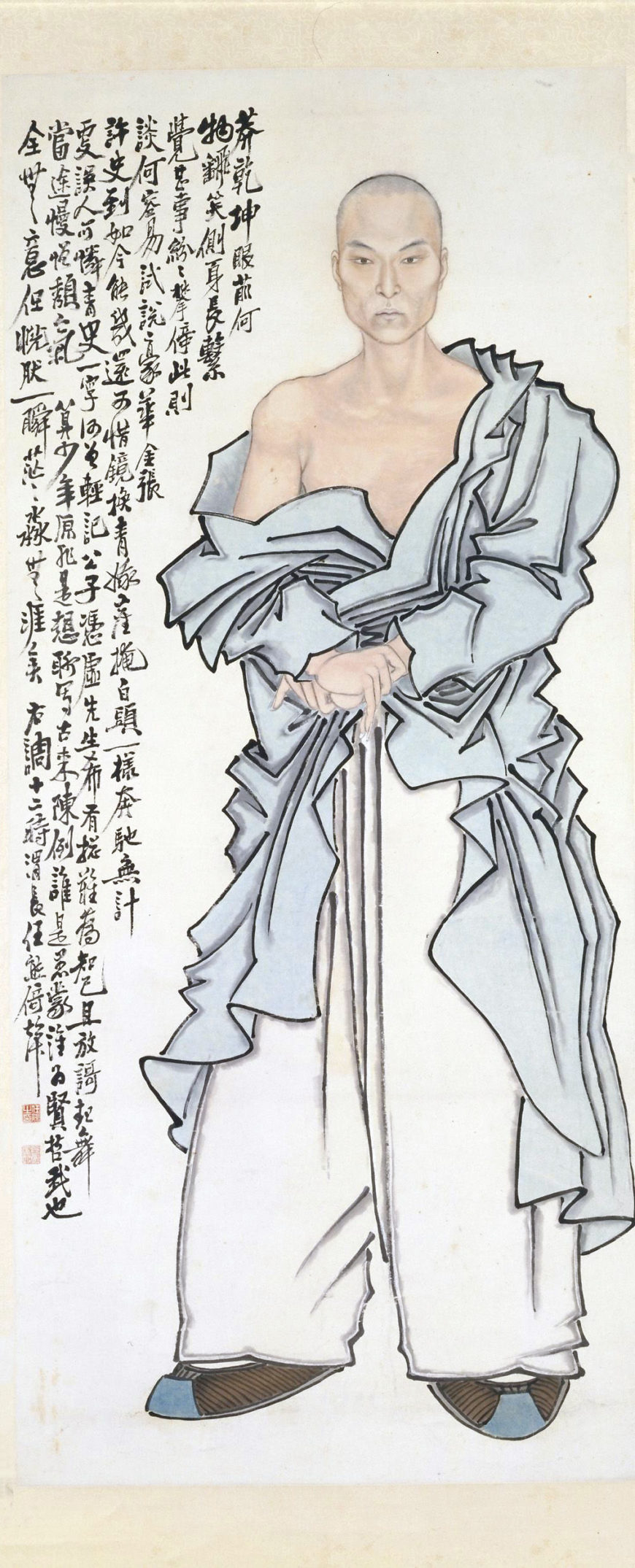
Ren Xiong (1823–57), Self-Portrait, c. 1850, Qing Dynasty,
"His painting also offers a way for us to think about modernity in a global sense. Ren’s dramatic self-portrait indicates that he is not merely an artist concerned with his craft, but rather a man concerned with self-expression—of communicating his trauma amid a rapidly changing world. Ren painted his portrait before the fall of China’s last imperial dynasty (the Qing dynasty). His self-portrait is breathtaking and bold; it suggests that the artist saw himself as living in the eye of the storm—and taking a modern and self-aware stance. His confrontational manner can also be read as tormented, a representation that fits with what we know about his life and the tragic period in which he lived—civil war amid the rise of Shanghai as a cosmopolitan, international port city. "
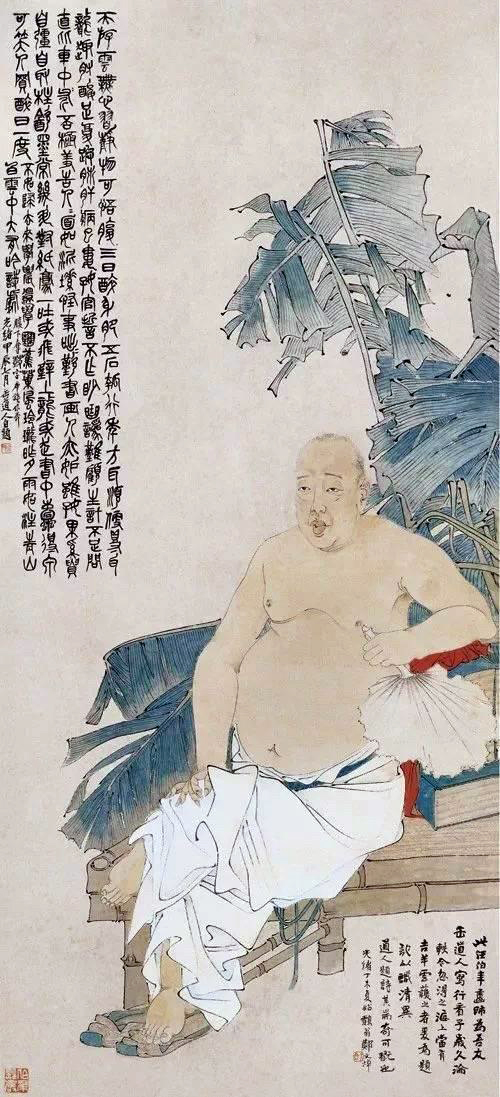
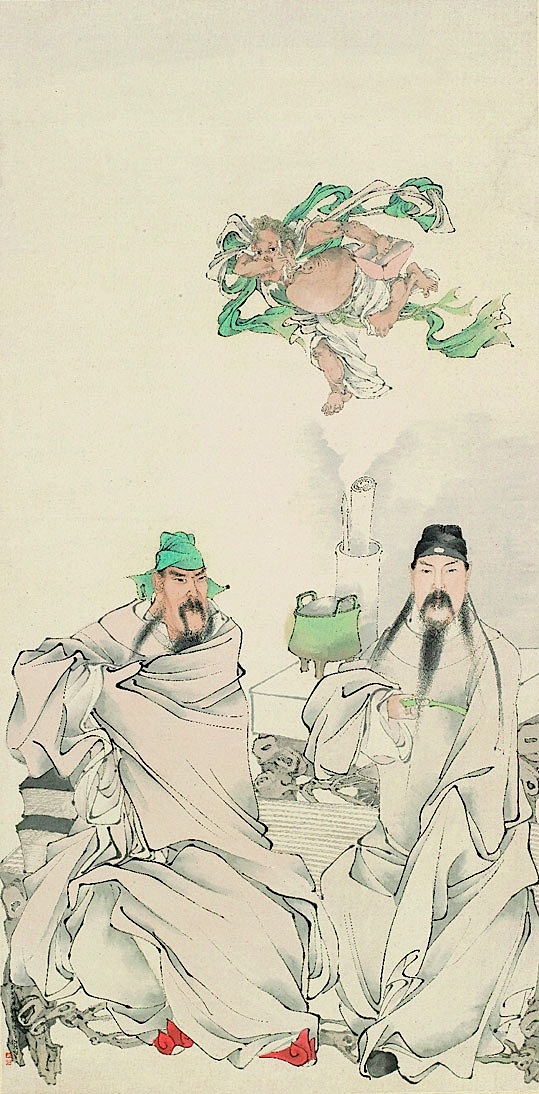
Ren Yi, Portrait of Wu Changshuo Enjoying the Cool Shade of Banana Palms, 1888, hanging scroll: ink and color on paper, 129.5 x 58.9 cms.
"Buddhist Sage is a reminder that the most “Chinese” of Buddhist sects (Chan) was not only a meaningful part of the modern world, but was in its origins something brought to China from “the Western regions,” by a foreigner, the sage Bodhidharma. It shows how Wang Zhen’s art challenges simplistic categories, of “Eastern” and “Western”, and undermines any too-neat division of Republican China’s art into “traditional” and “modern.”"
Ren Xiong (1823-1857) The Fan Lake Cottage 7 meters
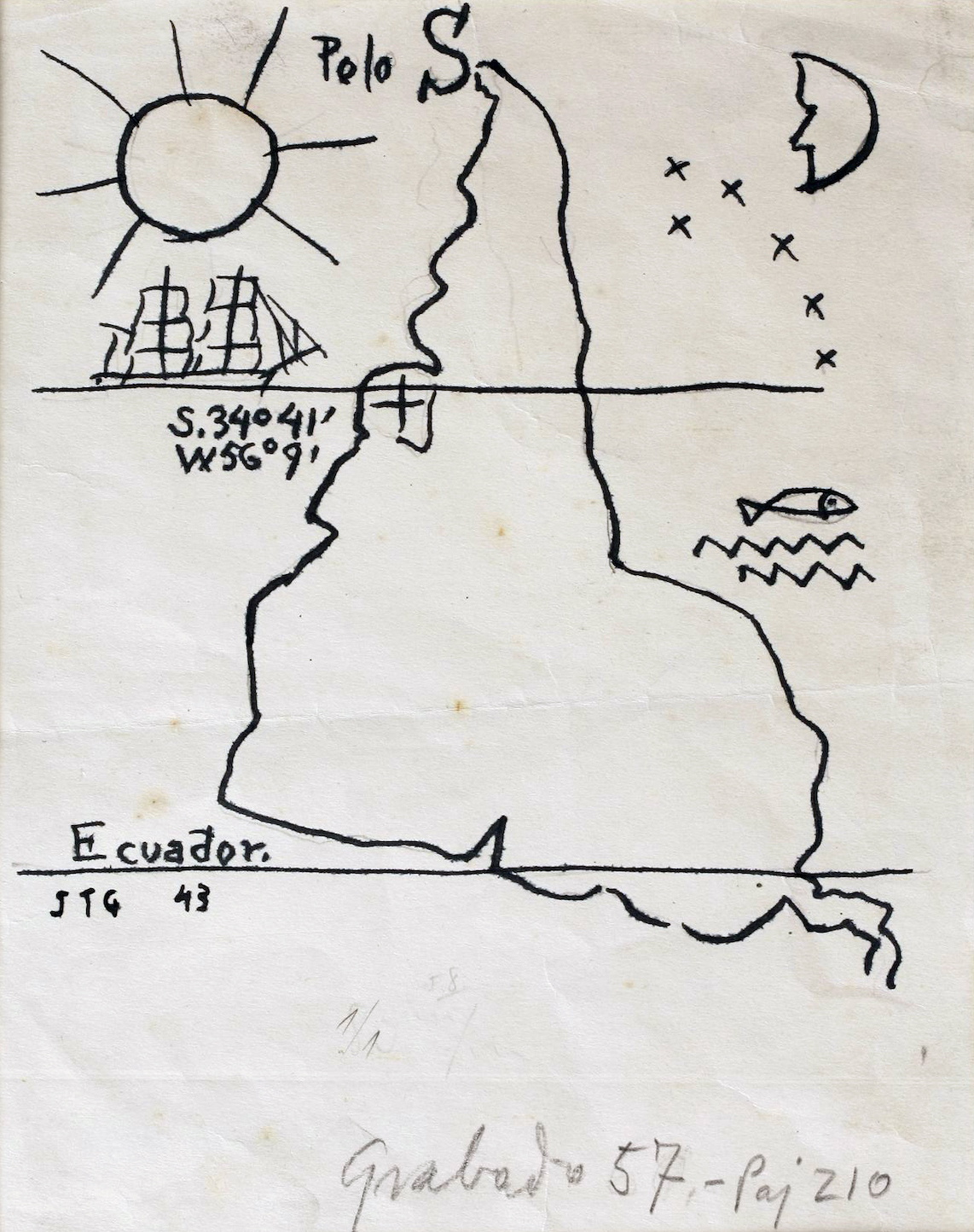
Joaquin Torres-García, América Invertida (Inverted America), 1943, ink on paper, 22 x 16 cm (Fundación Torres García, Montevideo) Reframing Art History Intro, "Learning to think Critically"
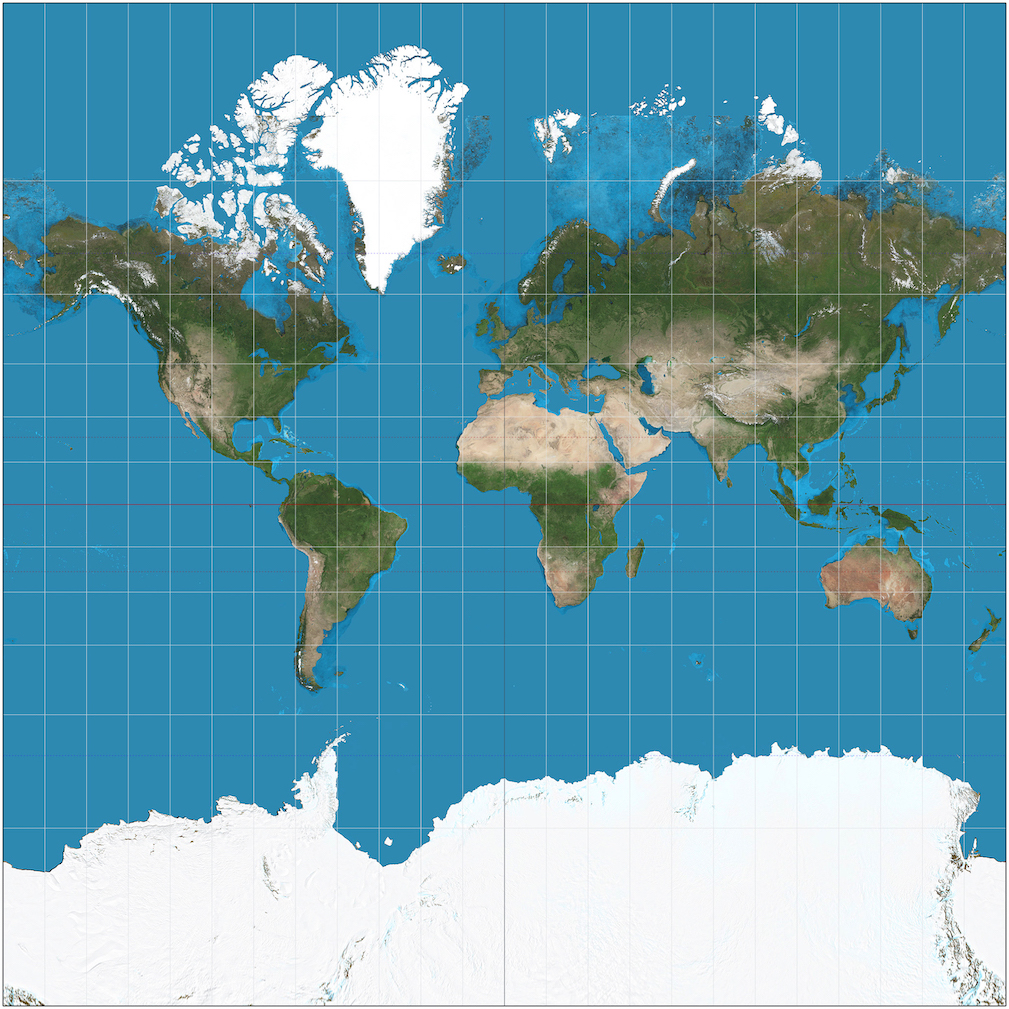
Mercator Projection
Gall-Peters projection (map: Strebe, CC BY-SA 3.0)
Ramon Casas, Joaquin Torres-Garcia, ~1905
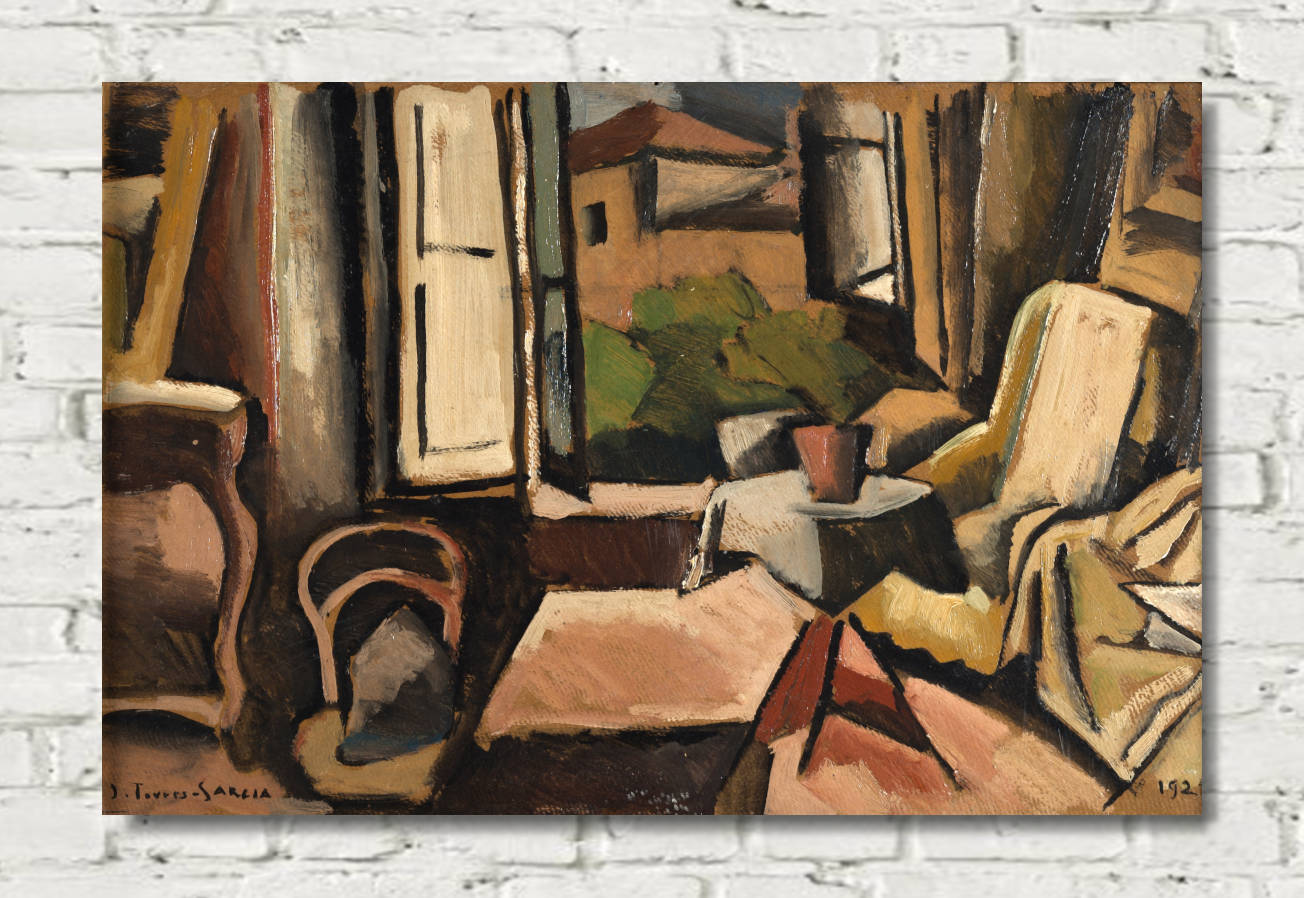
Torres-Garcia, Interior, 1924 oil on canvas, 15" x 20"
Torres-Garcia, Interior, 1924 oil on canvas, 15" x 20"
Key Art Historical Methods
Visual/formal how do the elements follow the principles to add up to a composition
(analyzing a scribble)
Stylistic Analysis (stick with the scribble)
Contextual Analysis
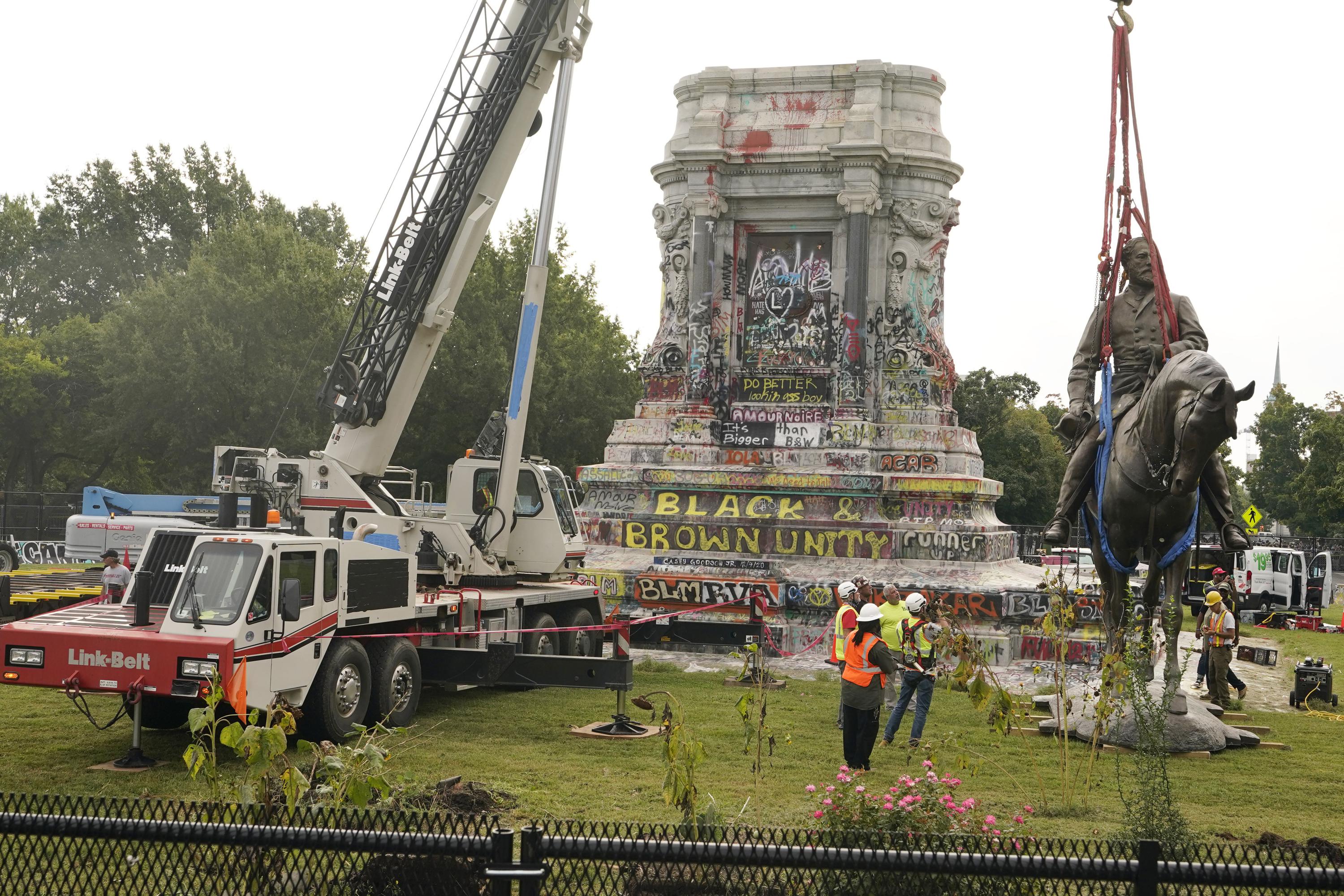
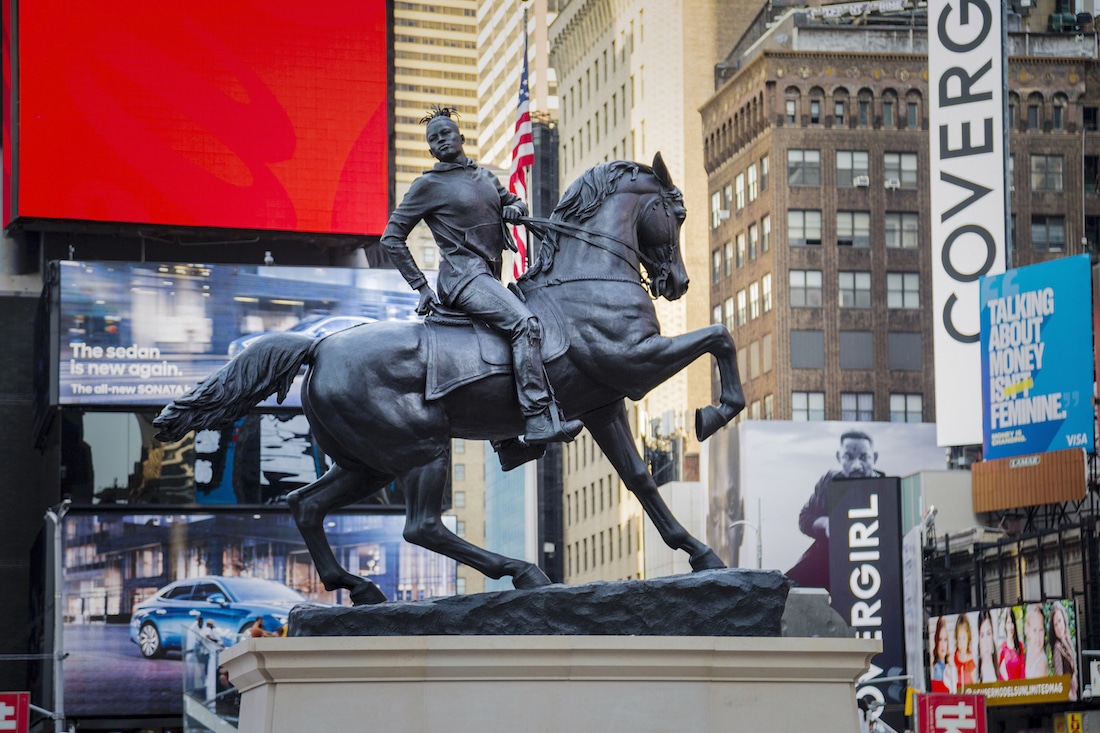
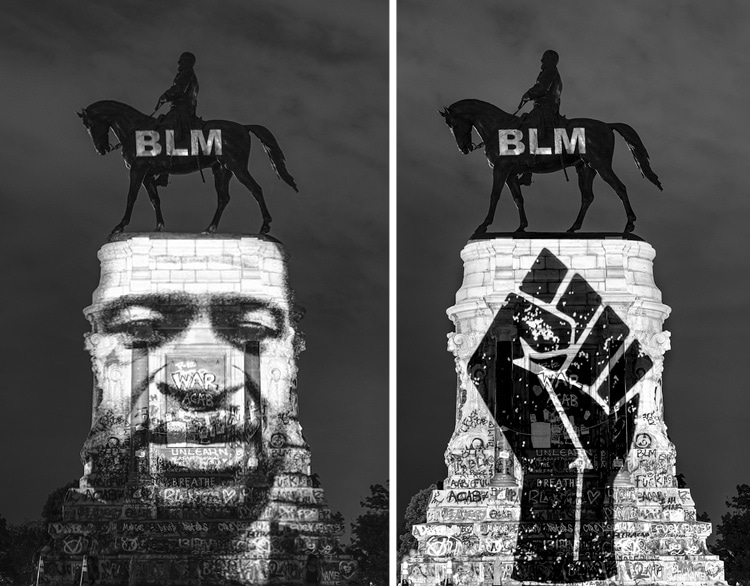
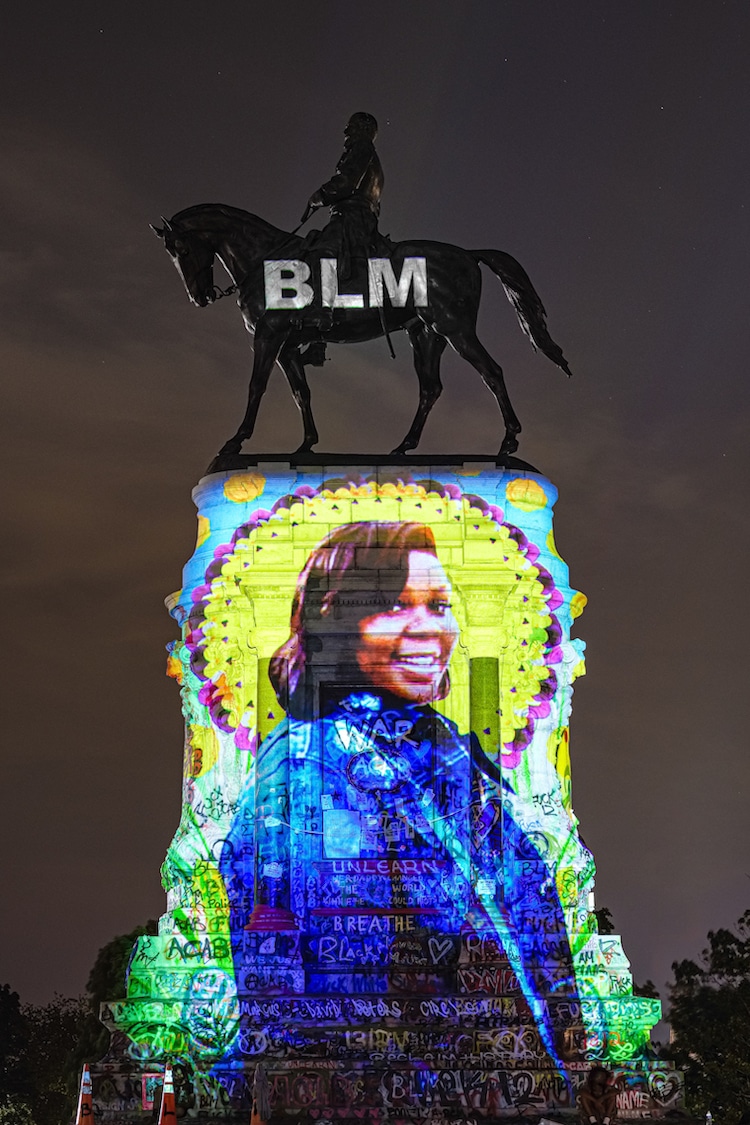
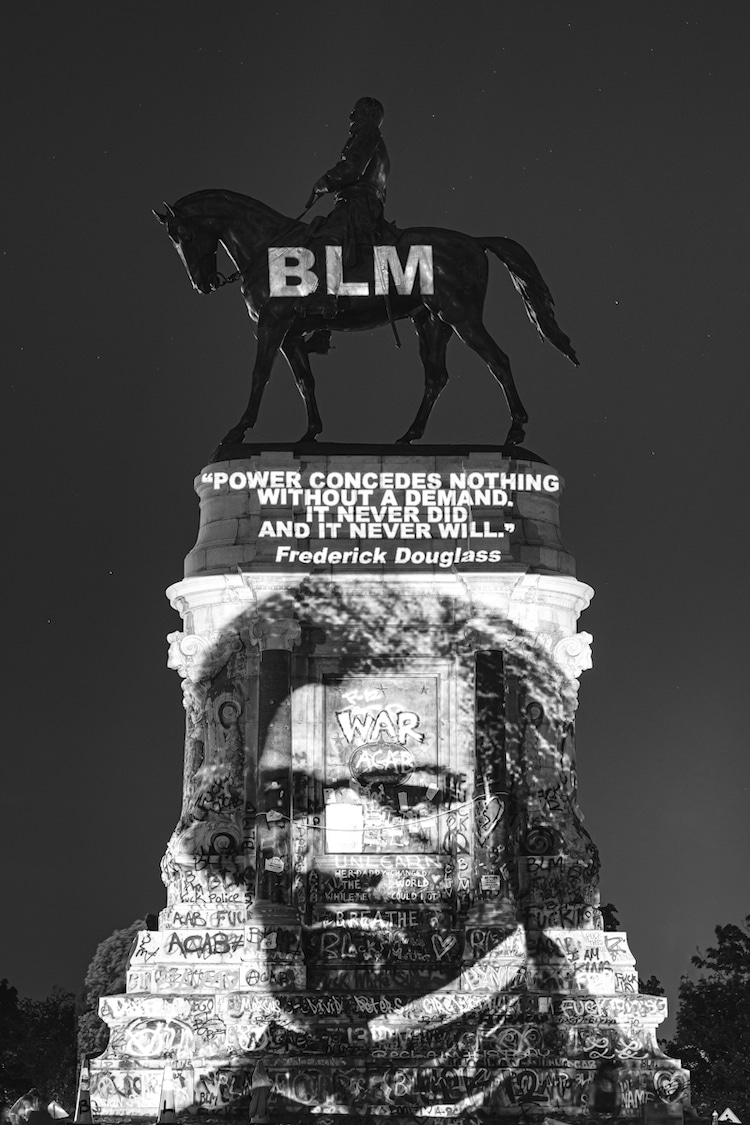
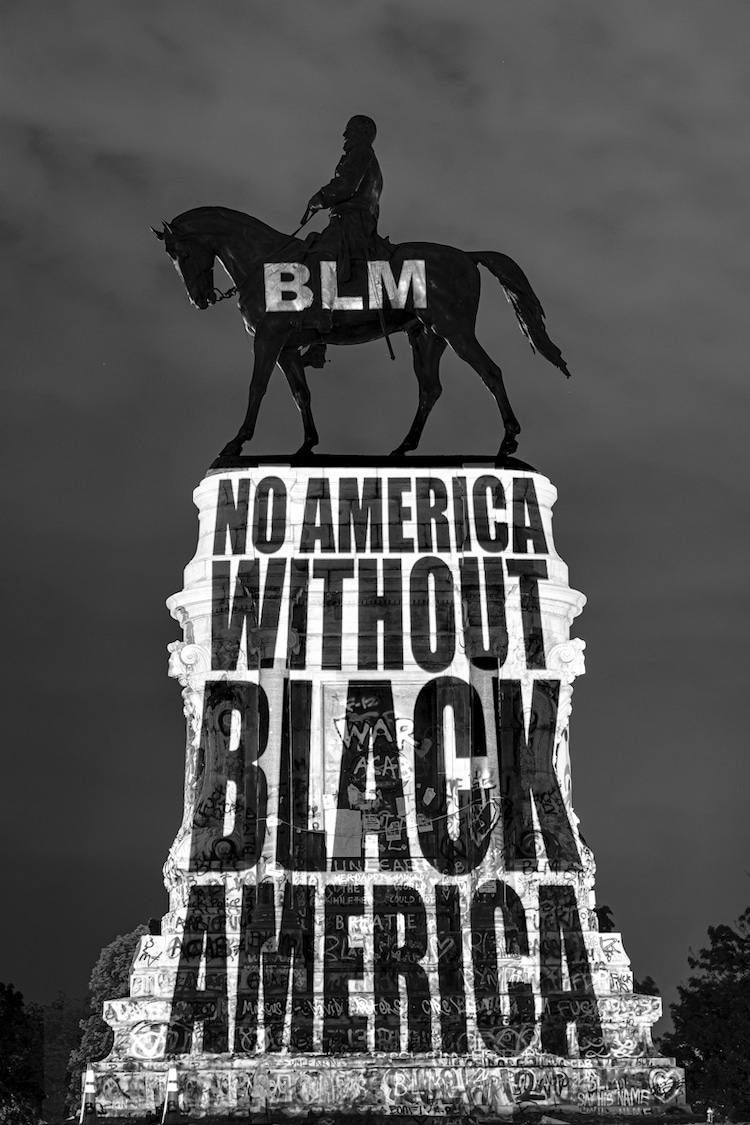
Icons and Iconoography (see monuments below and losses this week)
Content- (another way to think about iconography) the stuff and the stories
Interpretation
Emotional Response
Art History as Inspiration for Contemporary Artists
"What my painting does is it speaks the language of gentility, it speaks the language of that effortlessness that we see in a Sargent, and specifically it speaks the language that should be critiqued — that language of impossible beauty," Wiley told the VMFA. It exists in the space between the truth and the lie…. Doesn’t take sides
There are moments where art has to step in. Call to arms, war calls… step in and say: this is my America too.
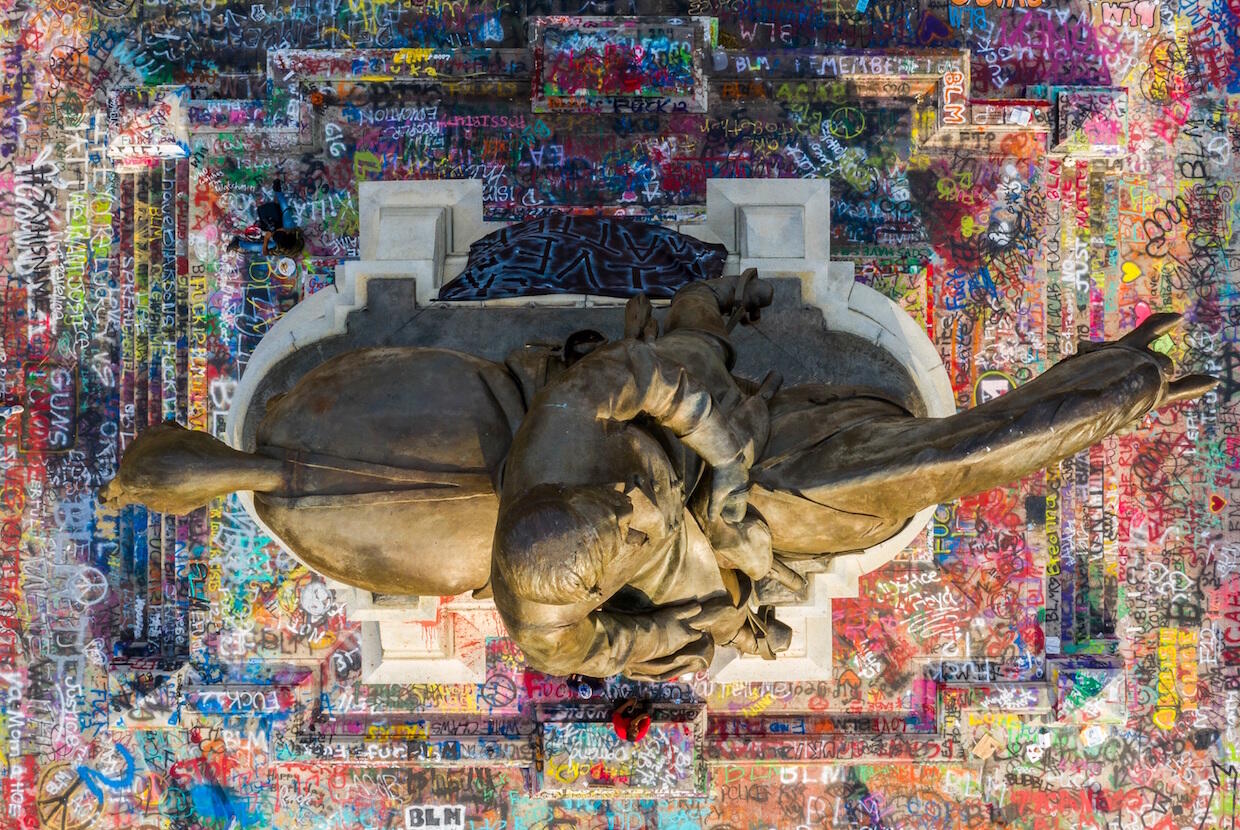
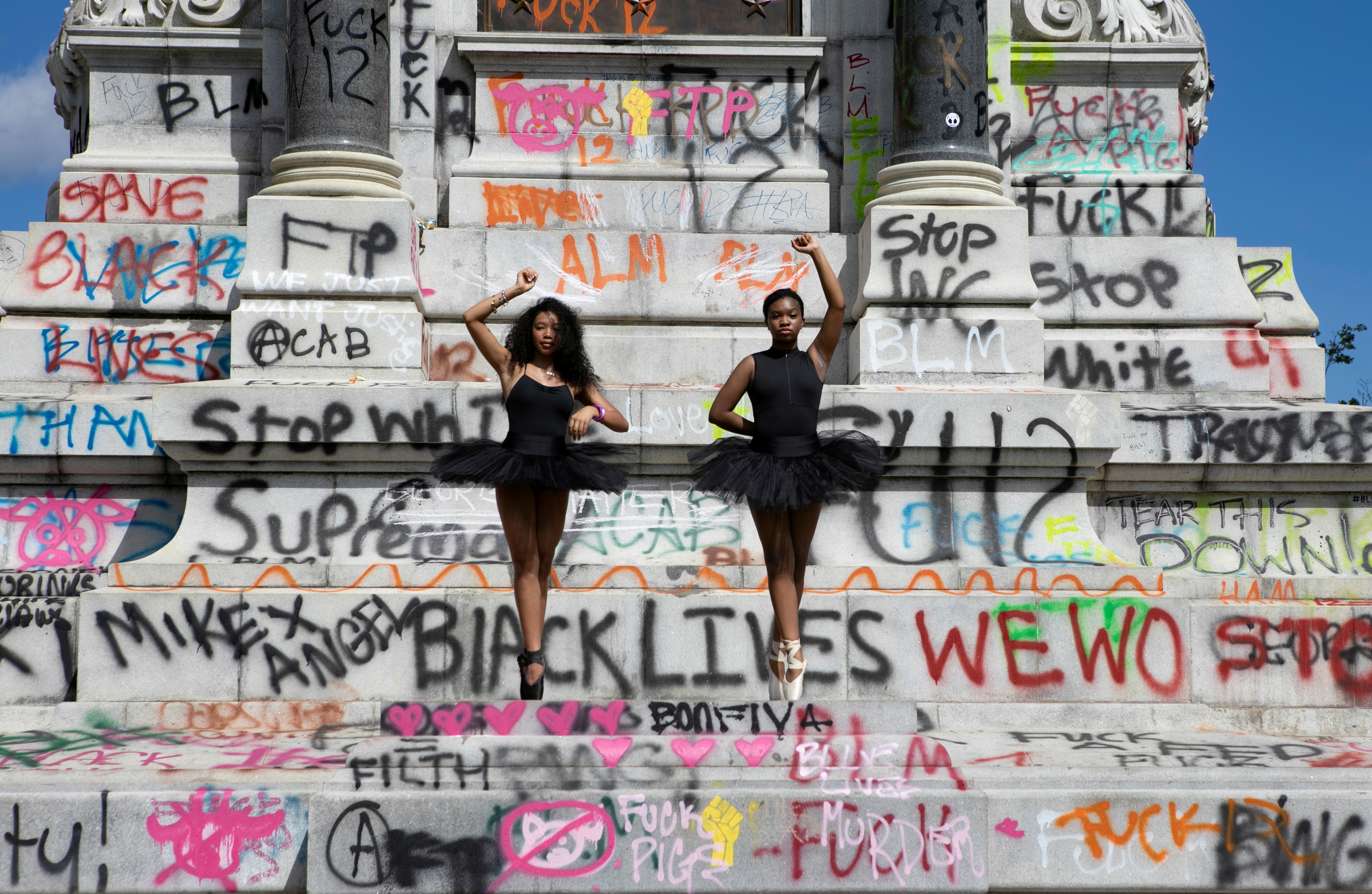
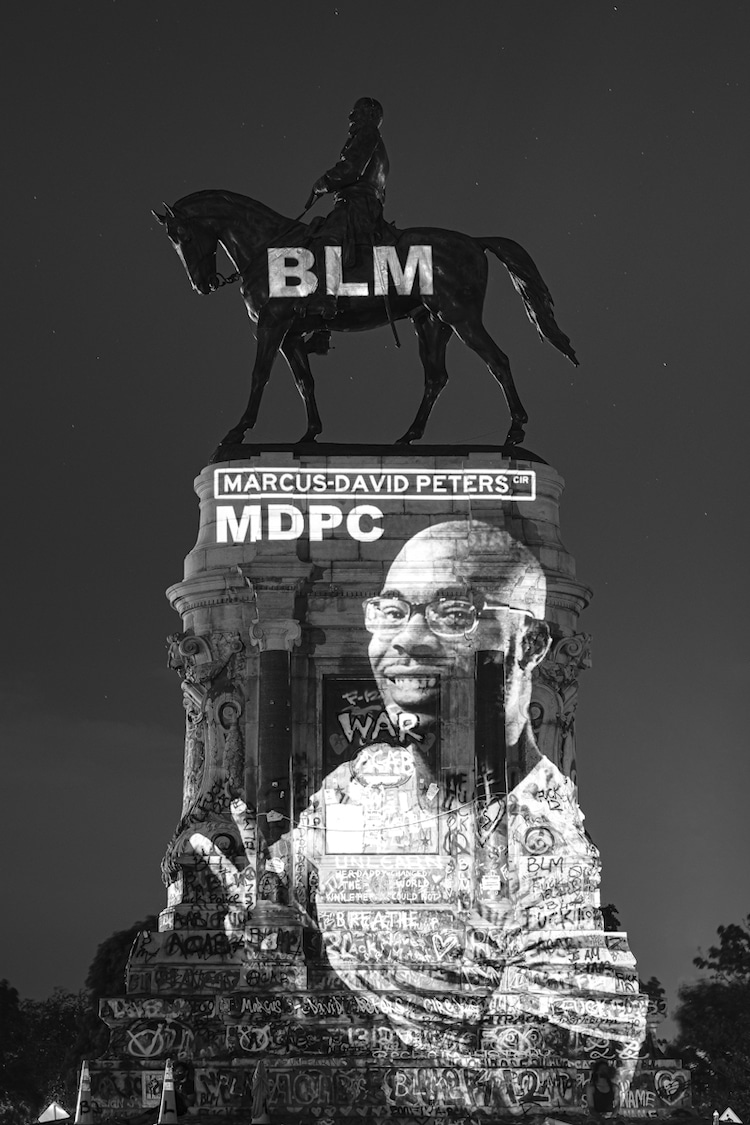
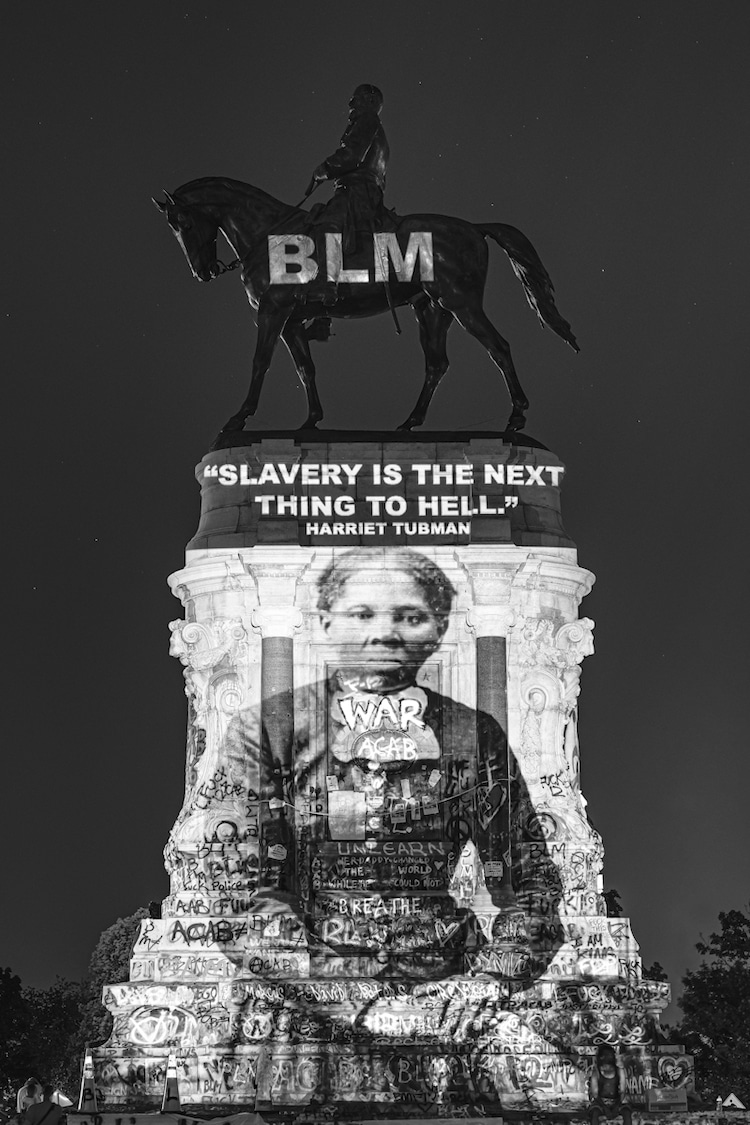
Images by Dustin Klein on the giant pedestal of the former Robert E Lee equestrian stature
Real estate companies, he said, enticed white homebuyers with restrictive covenants that stated “no lots can ever be sold or rented in Monument Avenue Park to any person of African descent.” Williams quoted historian Kevin Levin, in his June article in The Atlantic, “Richmond’s Confederate Monuments Were Used to Sell a Segregated Neighborhood,” to provide context:
“The Confederate monuments dedicated throughout the South from 1880 to 1930 were never intended to be passive commemorations of a dead past; rather, they helped do the work of justifying segregation and relegating African Americans to second-class status. Monument Avenue was unique in this regard. While most monuments were added to public spaces such as courthouse squares, parks, and intersections, Monument Avenue was conceived as part of the initial plans for the development of the city’s West End neighborhood — a neighborhood that explicitly barred black Richmonders.”
Richmond went on to become a national leader in establishing racial zoning. After the U.S. Supreme Court found such policies to be unconstitutional in 1917, private and commercial discrimination continued in Richmond with covenants forbidding Black and Jewish people. When those deeds were outlawed in 1948, the city continued to embrace redlining policies that upheld segregation.
The city’s Confederate monuments, Williams said, can only be understood in this context: that they were part of a system upholding white dominance.
“The swollen overblown rhetoric that greeted the unveiling of the Lee monument and subsequent ones on Monument Avenue smacked of the desperation people employ when they’re trying to convince themselves and others of what they know to be a lie,” he said.
These monuments are not history. They cannot even accurately be called symbolic statements. They were designed to be part of the actual infrastructure of white supremacy in Richmond.
‘Those monuments fit this city’s prevailing racism like a hand in glove’ Source



![r/MapPorn - Comprehensive map of the British Empire - its colonies, territories, protectorates and more [OC]](https://i.redd.it/d2xrv25r91n91.png)













/cloudfront-us-east-1.images.arcpublishing.com/gray/KK6SIQ7REJGANN5LPAQZMYQK3E.jpg)