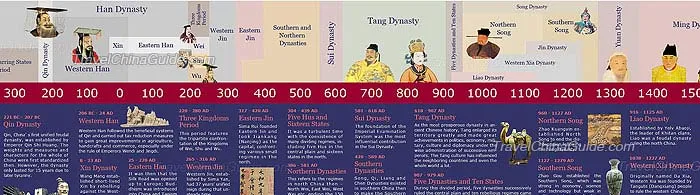
 |

| Tomb Furnishing in the Form of a Three-Storied Watchtower, 1st-2nd c. CE, East Asia, Han Dynasty. Lead-glazed funerary ware: brick-red earthenware with much degraded lead-fluxed emerald-green glaze over molded, incised, and applique decoration. More info. |

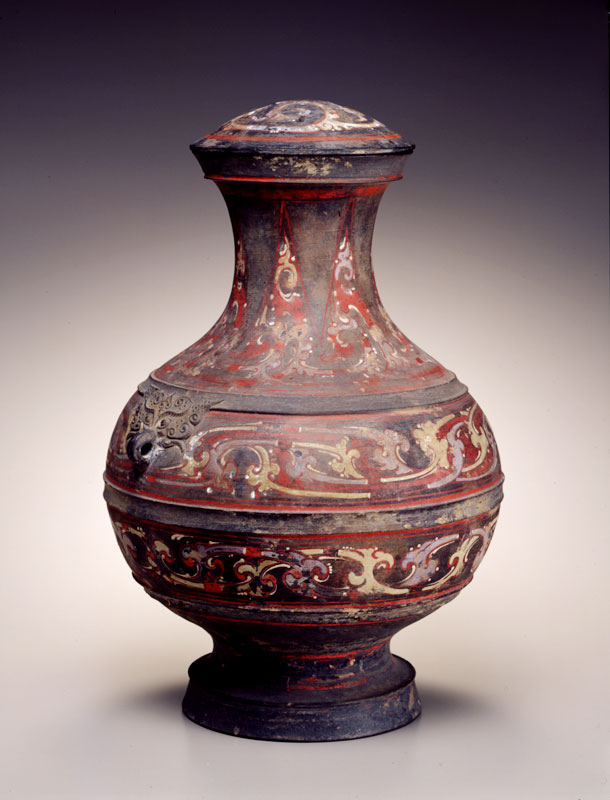
Two Han Dynasty Jars, (206 B.C.E.–9 C.E.). Vessel on left is glazed thickly with lead-fluxed glaze that brings out the low-releif scences of hunting; on right, the treatment if very different and more fragile: smoke-infused pottery ware is painted after firing. Both were grave goods.

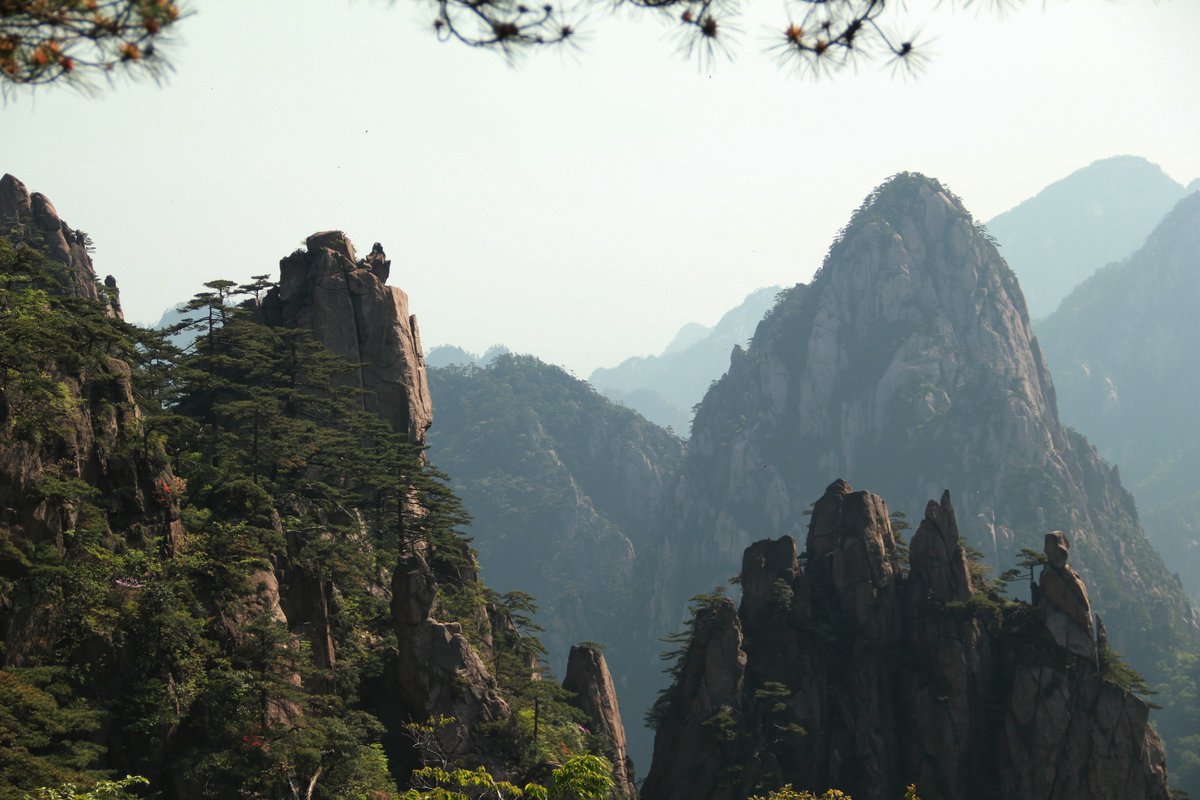
White clouds sash-like wrap mountain waists, the rock terrace flies in space distant, a narrow path. Leaning on a bramble staff far and free I gaze, To the warble of valley brook I will reply, whistling.
And one Japanese Painting
"This painting illustrates the Zen ideal of cultivating one’s spirit through all moments of life, from the mundane to the marvelous. The monk pictured is simply mending his robes, but it is a meditative activity. A “mending clothes” image would typically form a pair with another on the theme of “reading by moonlight.” While the seals on the painting were added at a later date, similar seals appear on other ink figures and bird-and-flower compositions." Cleveland Museum

| Sancai tomb figure of a man and a woman on horseback, Tang dynasty, c. 700–750, earthenware with lead-silicate glazes and painted details, China, Henan province, possibly Luoyang, 39.5 high x 11.7 x 34 cm Tang Dynasty marked by "Confident Cosmopolitanism" |

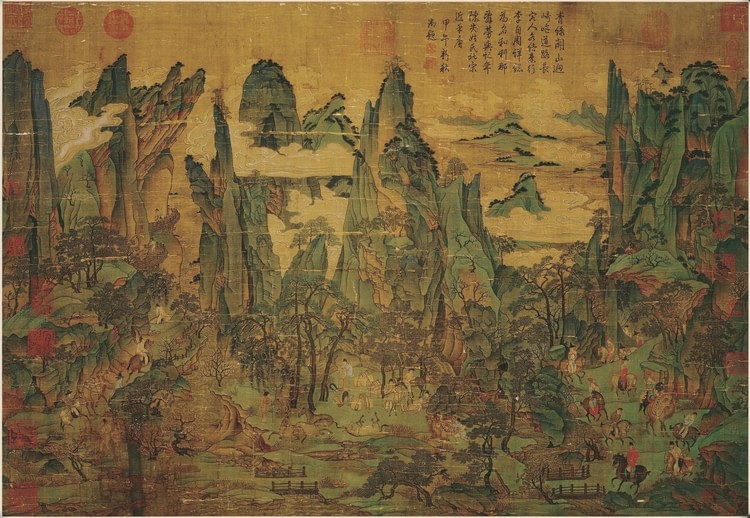
The Emperor Ming Huang Travelling in Shu’, a later 11th-century copy of a Tang dynasty original of the 8th century C.E., painted silk (Palace Museum, Taipei) |
SONG DYNASTY
 |
| Liuhe Pagoda, translated literally as Six Harmonies Pagoda, is an eight-story Chinese pagoda in Hangzhou, Zhejiang province, near the Qiantang River. First built in the Wuyue Kingdome, it was completely rebuilt in 1165 during the Song Dynasty. It was largely rebuilt in the 1900's. |
196.5 ft high, and it appears from outside to have 13 stories but inside it has seven. A spiral staircase leads top the top, and one spirals through seven painted and carved ceilings. ' Viewed from outside, the pagoda appears to be layered-bright on the upper surface and dark underneath. That is a harmonious alternation of light and shade." Wikipedia.
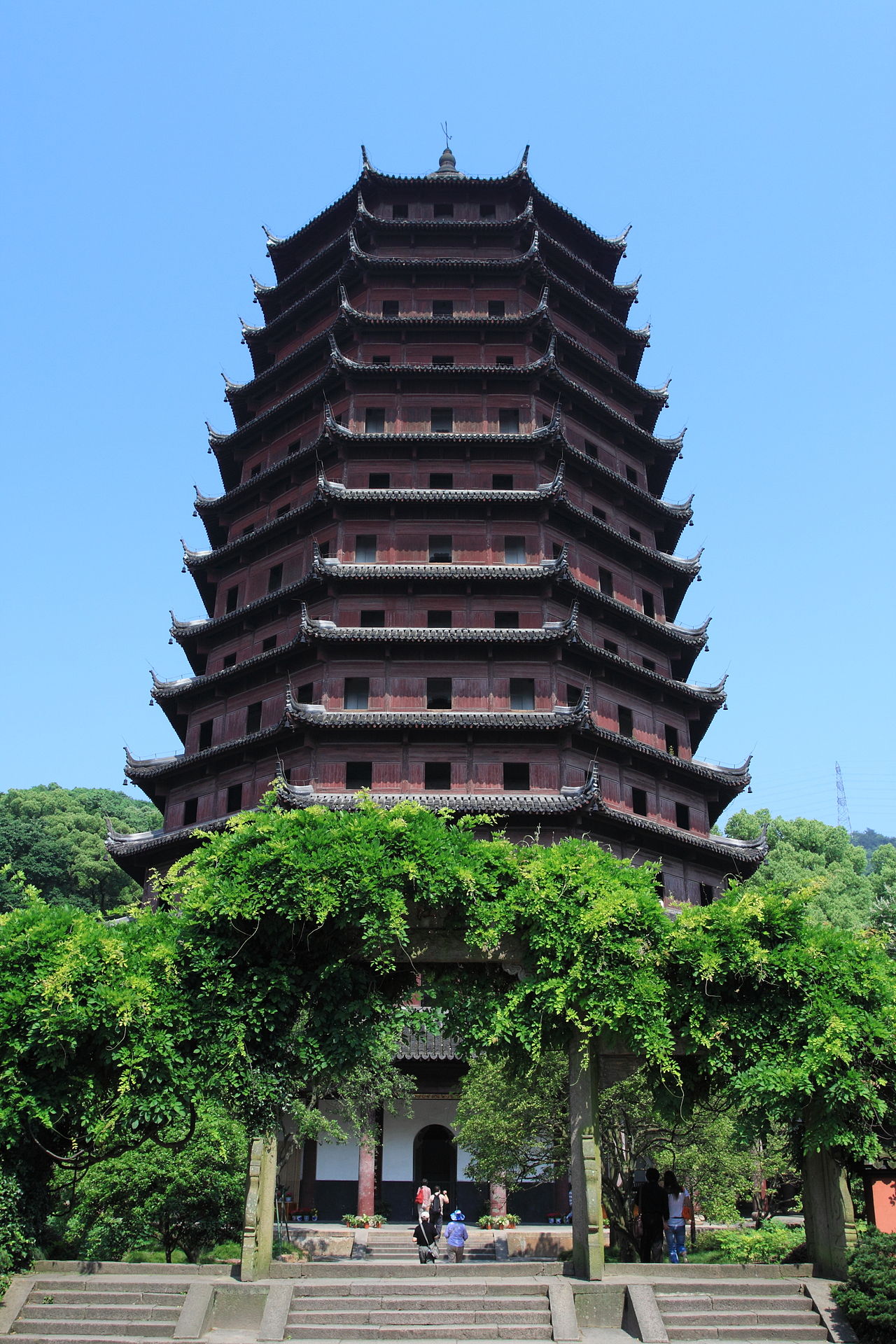 |
| Liuhe Pagoda, which translates into its English title literally Six Harmonies Pagoda, southern Hangzhou, Zhejiang province, China. Originally constructed in 970 by the Wuyue Kingdom, destroyed in 1121, and reconstructed fully by 1165, during the Southern Song dynasty (1127–1279). Through its design, the Six Harmonies Pagoda suggests the “universal concepts of harmony and balance”. Of course, when we refer to harmony and balance, we are talking about unity of the physical and mental (aka body and mind)! A tourist's view of Liuhe Pagoda. |
MING
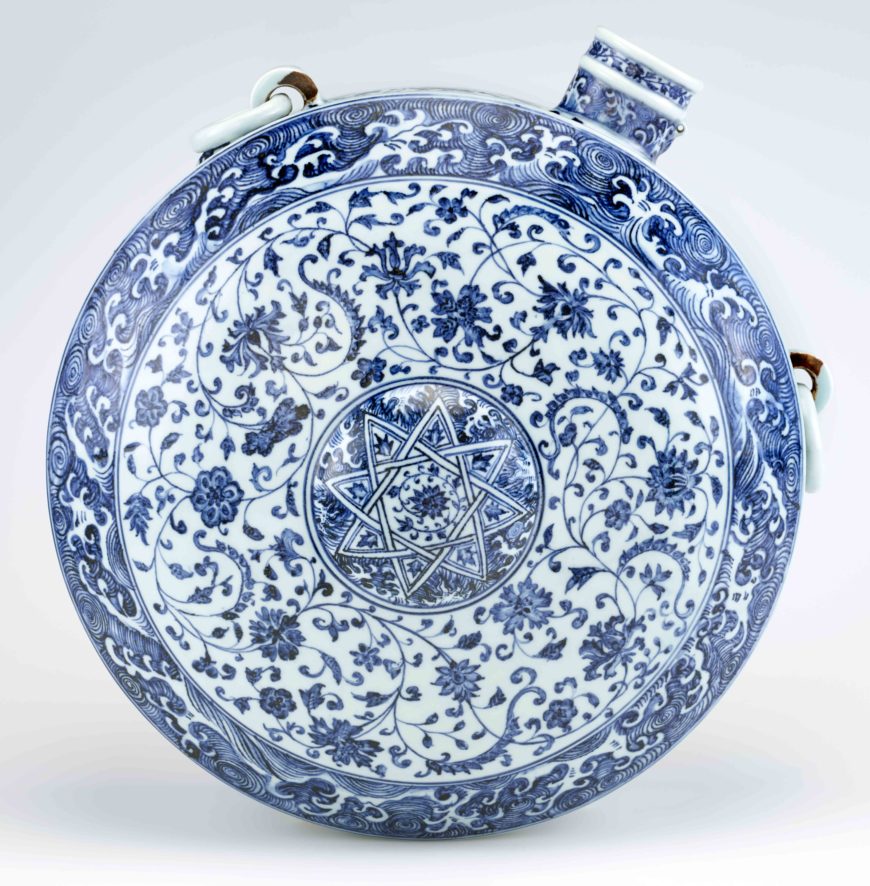 | ||
|
 |
| Key work: Shen Zhou, Poet on a Mountaintop, 15th c. Ming |
 |
KEY WORK Monk Mending Clothes in the Morning Sun (Chōyō Hotetsuzu) 朝陽補綴図 c. 1350, JAPAN, Nanbokucho Period |

No comments:
Post a Comment